https://en.wikipedia.org/wiki/Mustard_(condiment)
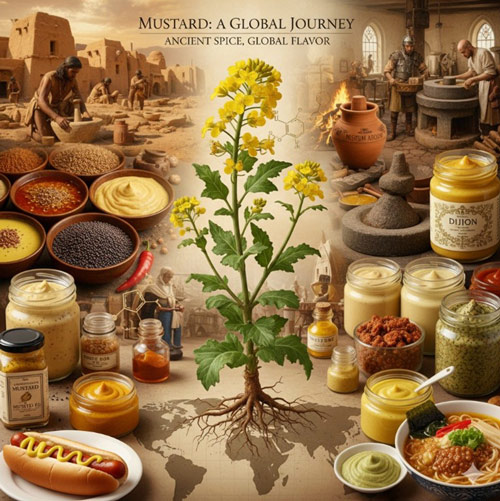
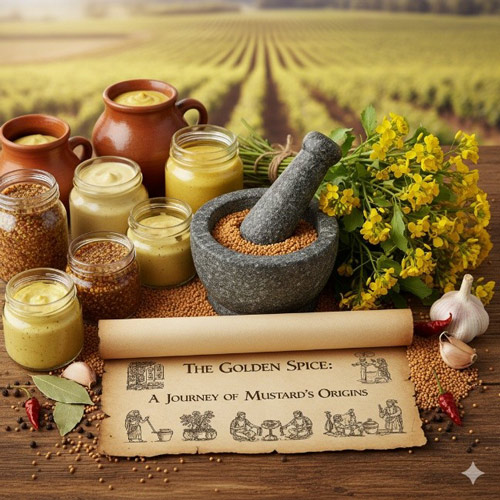
Mustard is one of those rare greek spices that manages to be both ordinary and extraordinary at the same time. It sits quietly in kitchen cupboards, ready to enliven a sauce or brighten a sandwich, but behind its familiar tang lies a story stretching back millennia. From the banks of the Indus River to the kitchens of medieval Europe and the bustling markets of India, mustard has traveled across continents, adapted to countless cultures, and evolved into an indispensable culinary tool. Its journey (rooted in history, chemistry, and cooking) reveals how a tiny seed became a global sensation.
Origins lost in greek antiquity
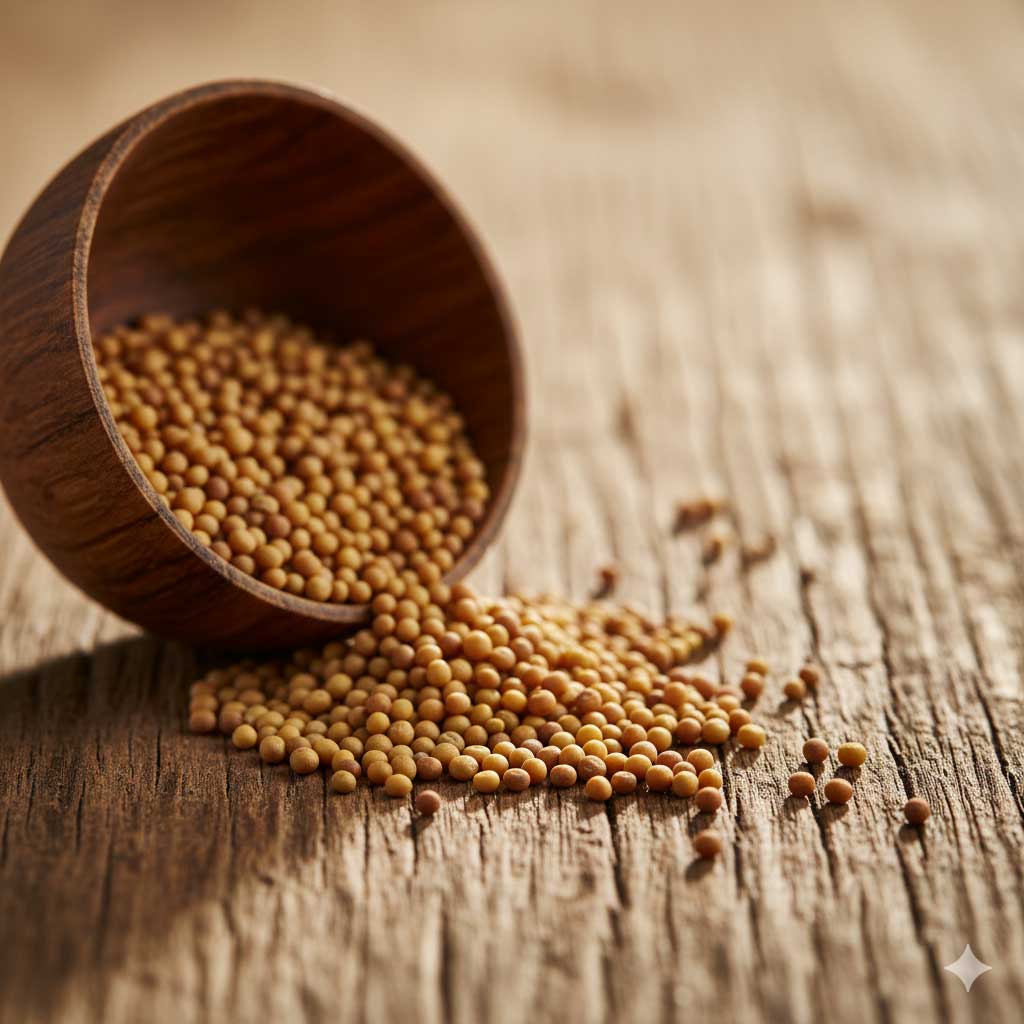
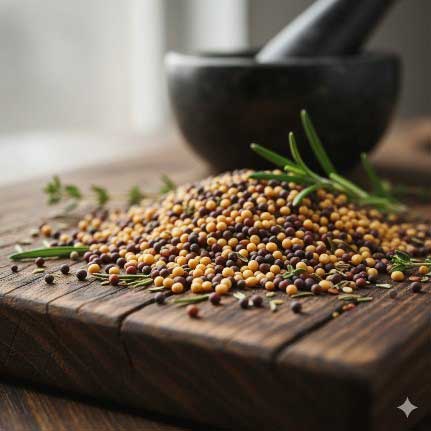
The origins of mustard reach deep into ancient history. Archaeological findings show that mustard seeds were cultivated and consumed in the Indus Valley Civilization as early as 3000 BCE. Farmers in this region grew various Brassica plants, crushing the seeds to release their distinctive heat. This pungency comes not from the seeds themselves, which taste mild when whole, but from a chemical reaction triggered when they are ground and mixed with liquid.
Origins lost in greek antiquity
In the Fertile Crescent, mustard quickly became a versatile ingredient. The ancient Sumerians are believed to have prepared early mustard pastes by mixing crushed seeds with unfermented grape juice. Meanwhile, ancient Egyptians incorporated mustard into cooking and medicinal practices. Seeds found in pharaohs’ tombs show that Egyptians considered mustard important enough to accompany rulers into the afterlife: a testament to its cultural and practical significance.
The greeks and romans refine the spice
The Greeks documented mustard extensively for its therapeutic uses. Dioscorides, a prominent Greek physician, recommended mustard poultices for respiratory problems and muscle soreness. He praised its warming qualities, which were ideal for balancing the body’s humors according to ancient medical theory.
But it was the Romans who pushed mustard toward the form we recognize today. They created mustum ardens (“burning must”) by combining crushed mustard seeds with grape must. This produced a paste remarkably similar to contemporary table mustard. Roman culinary texts show that the condiment was served alongside meats, vegetables, and fish. As Roman influence spread through Europe, so did mustard cultivation. Soldiers, merchants, and farmers carried seeds with them, unintentionally planting the foundations of future mustard-making traditions.
From monastic kitchens to the rise of dijon
During the Middle Ages, mustard became one of Europe’s most widely used spices. Unlike exotic imports such as pepper or cinnamon, mustard grew easily in temperate climates, making it affordable and accessible. Monasteries played a crucial role in refining mustard-making techniques. Monks experimented with grinding methods, fermenting processes, and liquids used for mixing.
One of the most significant innovations occurred in Burgundy, France. By the 13th century, the city of Dijon had become a hub of mustard craftsmanship. Local producers began substituting verjuice (juice from unripe grapes) for vinegar. This substitution produced a smoother, more delicate mustard, laying the groundwork for what would become Dijon mustard. In 1634, the city officially regulated mustard quality, solidifying its reputation as Europe’s mustard capital. Today, Dijon remains synonymous with refined mustard production and culinary elegance.
Mustard crosses continents
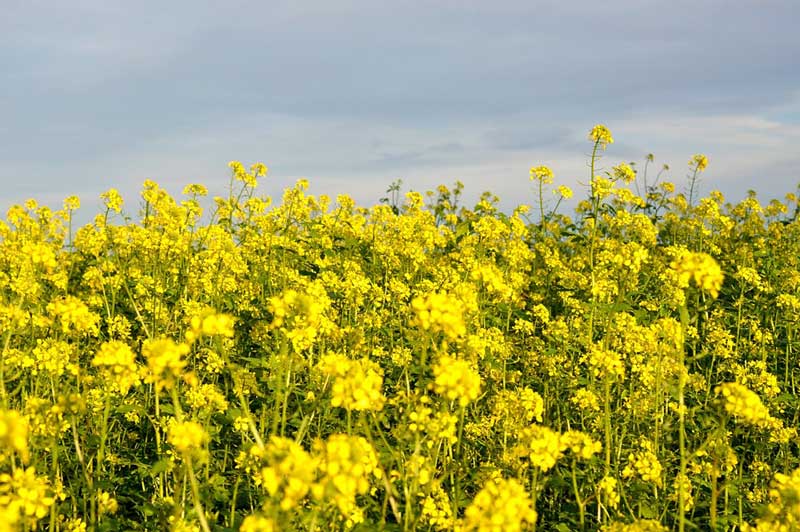
With European expansion, mustard seeds traveled across the Atlantic. Settlers introduced them to North America, where they adapted to local climates and agricultural systems. By the 19th century, mustard was grown widely across the United States and Canada. Its popularity eventually gave rise to the iconic American yellow mustard, made mild with white mustard seeds and colored with turmeric.
At the same time, mustard took deep root in South Asia. Brown and black mustard varieties became essential to Indian cooking, especially in Bengali and Punjabi cuisines. Seeds were toasted in hot oil until they popped, releasing nutty, aromatic flavors that formed the foundation of countless dishes. Mustard oil, pressed from the seeds, became equally important. Its sharp aroma and distinctive heat remain characteristic of regional culinary traditions.
In East Asia, mustard took yet another path. The Chinese and Japanese cultivated mustard greens, using them in stir-fries, pickles, and fermented dishes. Mustard powders also formed the basis of wasabi-like condiments, delivering swift, nasal heat distinct from chili-based spiciness.
The science behind the heat
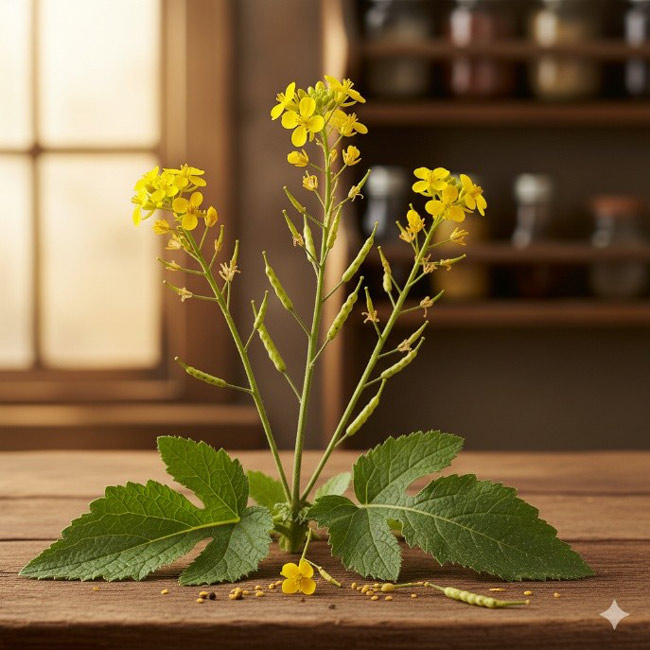
Mustard’s pungency comes from a fascinating chemical process. The seeds contain natural compounds called glucosinolates, which remain inactive until the seed is crushed. When ground, enzymes react with the glucosinolates to produce isothiocyanates: the molecules responsible for mustard’s distinctive burn.
Different species produce different intensities:
- White mustard (Sinapis alba) yields a mild flavor and forms the base of American yellow mustard.
- Brown mustard (Brassica juncea) creates a stronger, more complex heat and is used in Dijon and many Asian dishes.
- Black mustard (Brassica nigra) produces the most intense heat but is less commonly cultivated today due to harvesting challenges.
Acidity influences flavor as well. Water-based preparations preserve mustard’s sharper bite, while vinegar-based mixtures mellow the heat over time. This explains why English mustard can taste far hotter than the same seeds prepared in a French Dijon style.
A global kitchen essential
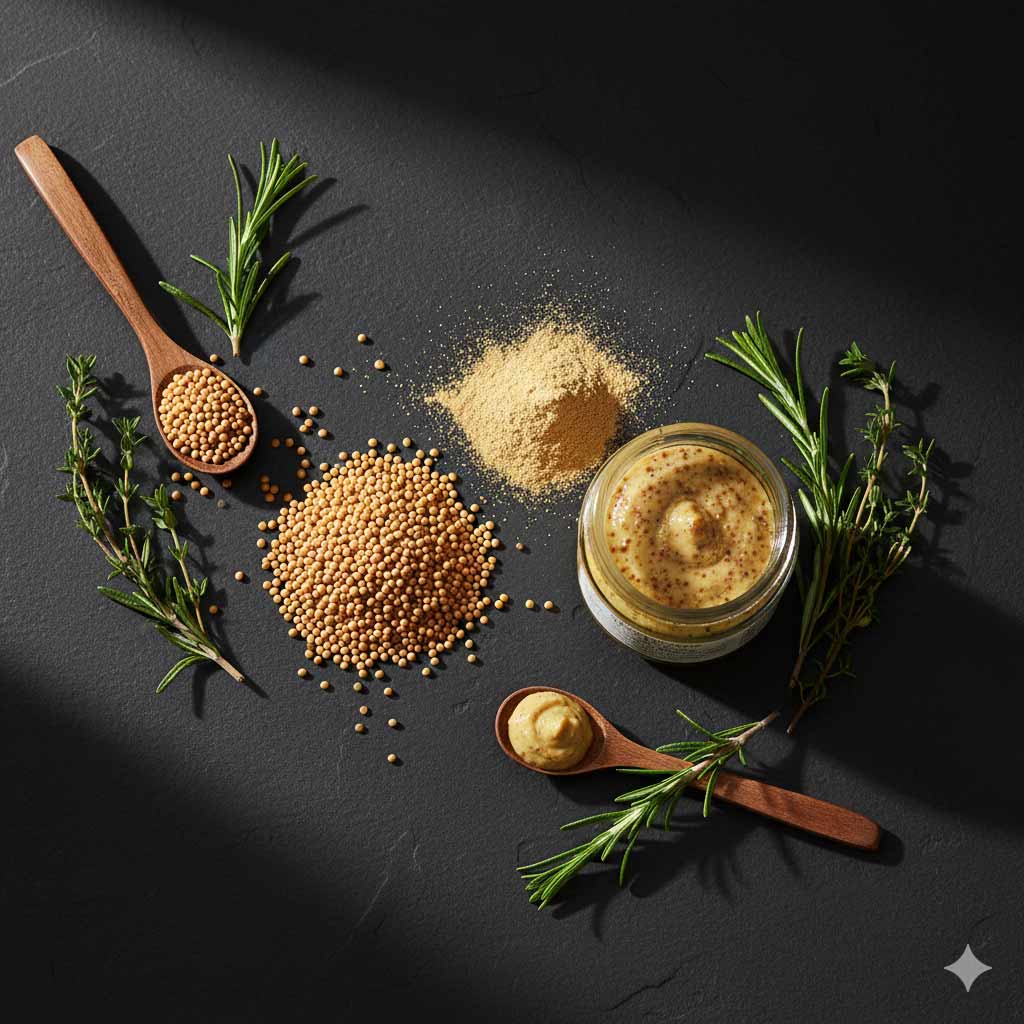
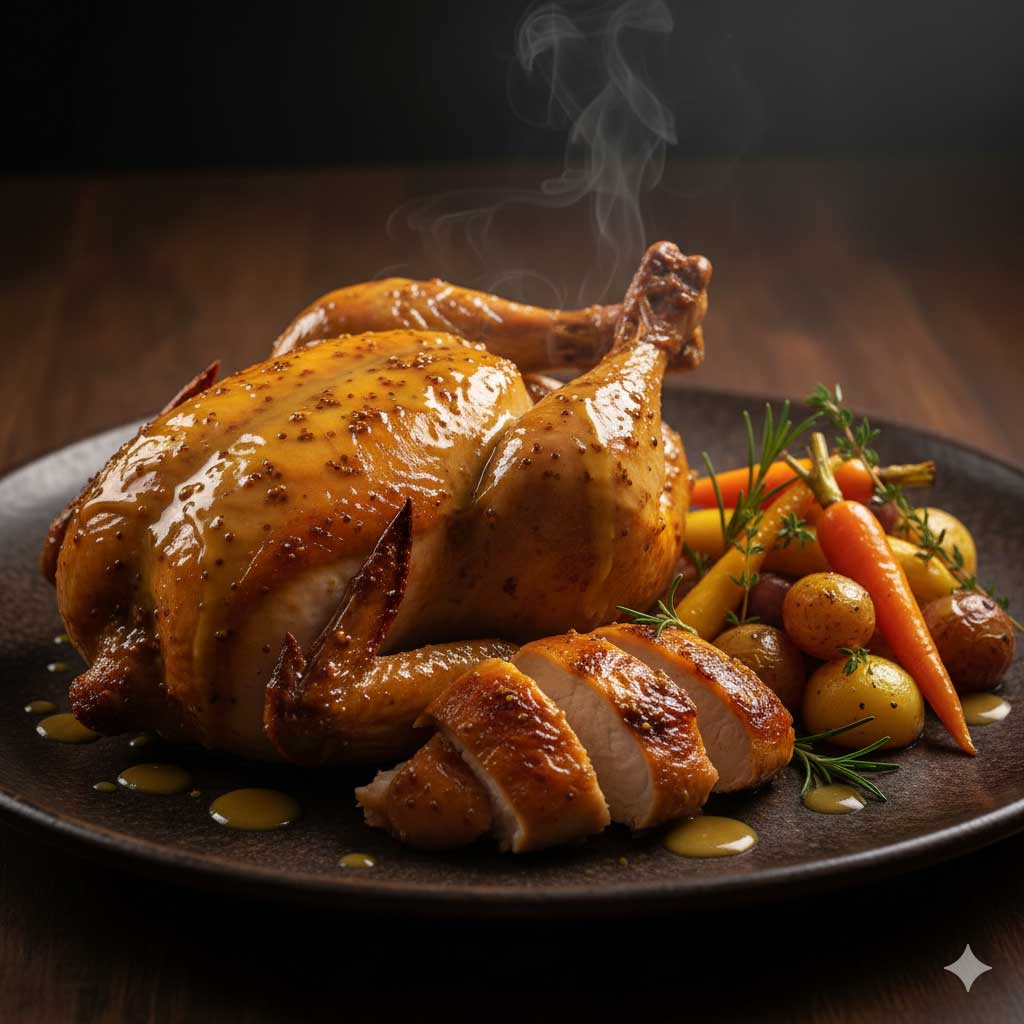
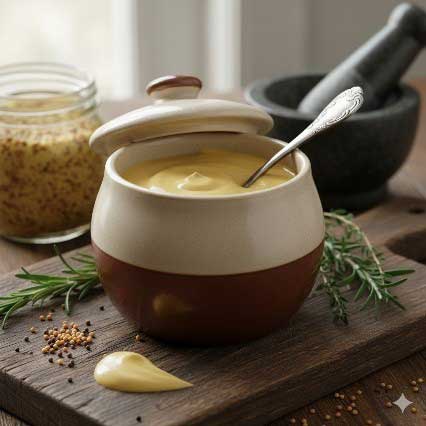
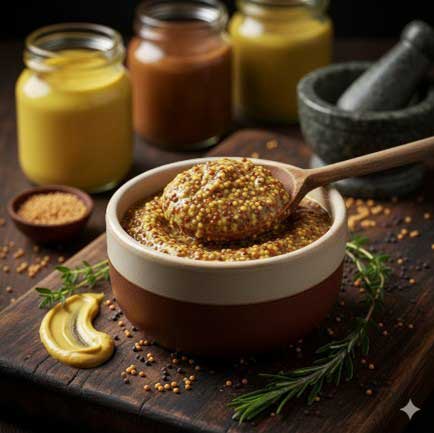
Today, mustard continues to be a culinary chameleon. Whole seeds add crunch and warmth to curries, pickles, and spice blends. Ground mustard powders provide heat in dry rubs, sauces, and marinades. Smooth mustards (in varieties such as Dijon, whole-grain, honey mustard, and spicy brown) enhance sandwiches, meats, vegetables, and dressings. Modern chefs even experiment with mustard in desserts and cocktails, taking advantage of its balance of acidity and heat.
Whether used for its bold flavor, its emulsifying properties in sauces like vinaigrettes, or its role in preserving foods, mustard remains one of the most versatile spices in the world. Its long journey (from ancient fields to global kitchens) reflects how deeply a simple ingredient can influence culture and cuisine.
Mustard may be small, but its legacy is undeniably mighty. And with thousands of years of history behind it, this humble seed shows no sign of losing its fiery charm.