Few ingredients travel as seamlessly between sweet and savory dishes as ginger. With its zesty heat, citrusy aroma, and unmistakable bite, ginger has earned a permanent place in kitchens across the world. But beyond its culinary power, the story of ginger is rich with trade routes, folklore, medicinal traditions, and cultural symbolism. This guide explores the story of ginger—from its ancient origins to its starring role in modern kitchens—along with a handful of recipes to bring its flavor to your table.
What Is Ginger?
Ginger is the rhizome (underground stem) of the plant Zingiber officinale. Recognized for its knobby, golden skin and bright, fibrous interior, ginger is a botanical cousin to turmeric and cardamom. It is used fresh, dried, powdered, candied, or juiced—each form bringing a slightly different flavor profile and intensity.
Ginger’s taste is warm, peppery, and slightly sweet, with a citrus-like freshness that adds harmony to everything from stir-fries to cookies to tea.
A Brief History of Ginger
To appreciate ginger’s global importance, it helps to look at the long and fascinating story of ginger, which spans ancient civilizations, international trade, and culinary evolution.
Origins in Ancient Asia
Ginger is believed to have originated in Southeast Asia, where it has been cultivated for over 5,000 years. In ancient China and India, ginger played a central role in medicine, cuisine, and daily rituals.
Chinese writings dating back to Confucius mention ginger as a digestive aid and essential culinary ingredient. In India, ancient Ayurvedic texts praised ginger as a warming spice used to invigorate the body.

Story of ginger: Spice Routes
As global trade expanded, ginger became a prized commodity along the spice routes connecting Asia to the Middle East, Africa, and Europe. Arab traders popularized ginger across the Mediterranean world, where its exotic heat and medicinal reputation caught the attention of scholars and royalty.
A Favorite in Medieval Europe
By the Middle Ages, ginger was so beloved in Europe that it was second only to pepper in popularity. It appeared in everything from meat sauces and spice blends to ales, jams, and early confections.
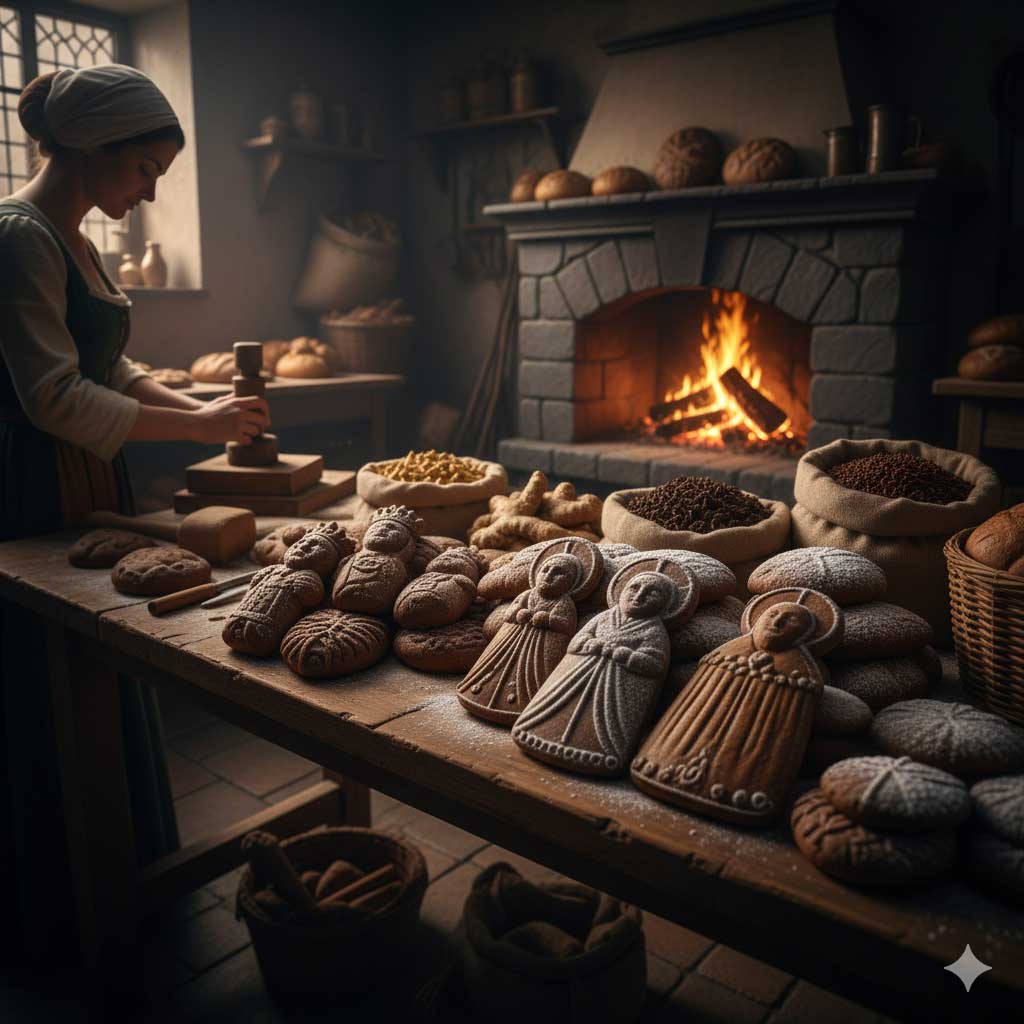
Gingerbread, a dessert now associated with winter holidays, has medieval roots as well. It began as ginger-spiced honey cakes, later evolving into molded cookies shaped like kings, knights, and saints.
Ginger in the New World
Spanish and Portuguese explorers brought ginger to the Caribbean, where the climate proved ideal for cultivation. By the 16th century, Jamaica had become one of the leading producers of ginger—a title it still holds today.
Cultural Anecdotes and Symbolism
Ginger as a Symbol of Warmth and Vitality
Across cultures, ginger has long been viewed as a warming food that stirs energy, courage, and strength. In some Asian traditions, ginger tea is offered to guests as a gesture of hospitality and comfort.
Ginger and Folklore
- In traditional Chinese weddings, ginger was associated with fertility and was used in nuptial meals.
- In English folklore, gingerbread figures were said to possess magical healing properties.
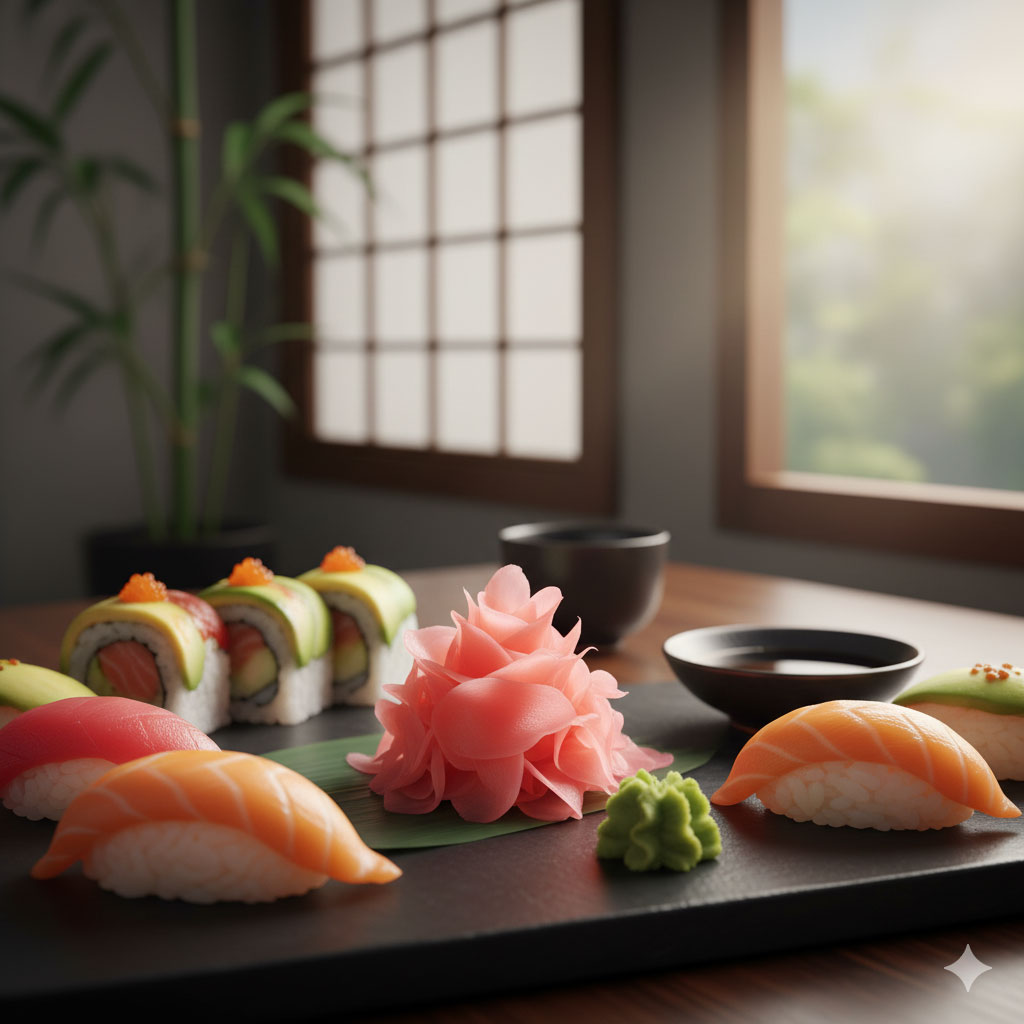
- In Japan, thin slices of pickled ginger (gari) are served with sushi not only for palate cleansing but also as a symbol of balance and renewal.
Types of Ginger and How They Differ
Fresh Ginger
Found worldwide, fresh ginger is juicy, pungent, and perfect for cooking or brewing teas.
Young / Baby Ginger
Softer, milder, and pale-skinned, young ginger requires no peeling and is ideal for pickling or smoothies.
Dried or Ground Ginger
More concentrated, warm, and sweet—often used in baking.
Crystallized or Candied Ginger
Coated in sugar, chewy, and excellent for desserts or snacking.
Galangal (Often Confused With Ginger)
Similar appearance but sharper, piney, and less sweet. Common in Thai cooking.
Comparing Ginger With Other Spices
Ginger’s distinctive heat and brightness also make it a fascinating spice to compare with others in your pantry. While it shares botanical roots with turmeric and cardamom, its flavor profile stands apart for its citrusy sharpness and warming kick. If you’re curious about how ginger contrasts with other common spices—whether in aroma, intensity, or culinary use—you can explore a deeper breakdown in our guide on the taste differences of popular spices. This comparison can help you better understand when to use ginger as a star ingredient and when another spice might elevate a dish even more.
How to Use Ginger in Cooking
Ginger is one of the most versatile flavorings in the culinary world. Here’s how different preparations change the flavor:
- Fresh slices: strong, aromatic, ideal for soups and broths
- Minced or grated: intense heat and bold flavor for stir-fries or marinades
- Dried powder: warm and mellow, perfect for baking
- Juiced: concentrated heat for beverages
- Pickled: bright and refreshing as a condiment
- Candied: sweet with a spicy kick
Ginger Recipes to Try at Home
1. Fresh Ginger Tea
A soothing, aromatic drink for chilly mornings.
Ingredients:
- 4–5 thin slices fresh ginger
- 1 cup hot water
- Honey or lemon (optional)
Instructions:
Steep ginger in hot water for 5–10 minutes. Add lemon or honey for balance.
2. Ginger Stir-Fry Sauce
A vibrant sauce that transforms vegetables, tofu, chicken, or beef.
Ingredients:
- 1 tbsp grated ginger
- 1 garlic clove, minced
- 2 tbsp soy sauce
- 1 tbsp rice vinegar
- 1 tsp sesame oil
- 1–2 tsp honey or brown sugar
Instructions:
Mix ingredients and add to stir-fries during the final 2–3 minutes of cooking.
3. Classic Gingerbread Cookies
A nostalgic holiday favorite with a comforting spice blend.
Ingredients:
- Flour, butter, sugar
- Ground ginger
- Cinnamon, cloves
- Molasses
- Baking soda
Instructions:
Prepare dough, chill, roll, cut, and bake.
Decorate with icing for a festive finish.
4. Carrot-Ginger Soup
Bright, velvety, and warming.
Ingredients:
- Carrots
- Onion
- Garlic
- Fresh ginger
- Vegetable broth
- Coconut milk (optional)
Instructions:
Sauté aromatics → simmer carrots and broth → blend until smooth → finish with a swirl of coconut milk.
Why Ginger Endures
From ancient spice routes to modern kitchens, the story of ginger continues to inspire with its bold flavor, captivating aroma, and deep cultural significance. It’s a spice that brings warmth to winter treats, brightness to savory dishes, and comfort to teas and tonics.
Whether grated into stir-fries, baked into cookies, or steeped into tea, ginger adds a spark that is unmistakable—and universally beloved.

