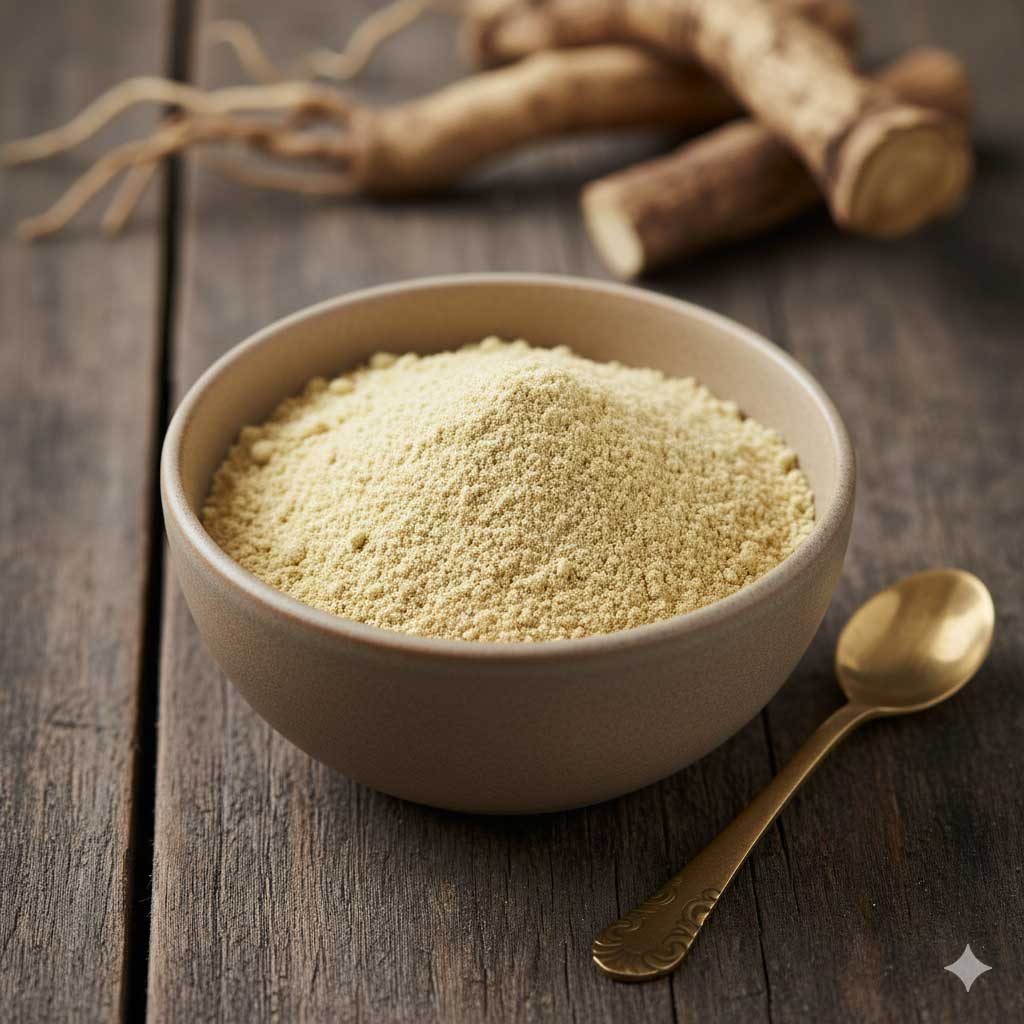
Asafoetida—also known as hing—is one of those spices that can surprise you at every step. Its aroma is famously strong, its flavor becomes unexpectedly gentle once cooked, and its role in traditional cuisines is far more important than many people realize. Though often overlooked in Western pantries, asafoetida has been a cornerstone of Indian, Middle Eastern, and Central Asian cooking for centuries.
In this article, we’ll explore where this unique spice comes from, what it tastes like, how to use it, and why it might deserve a place in your kitchen.
What Is Asafoetida? Origin and History
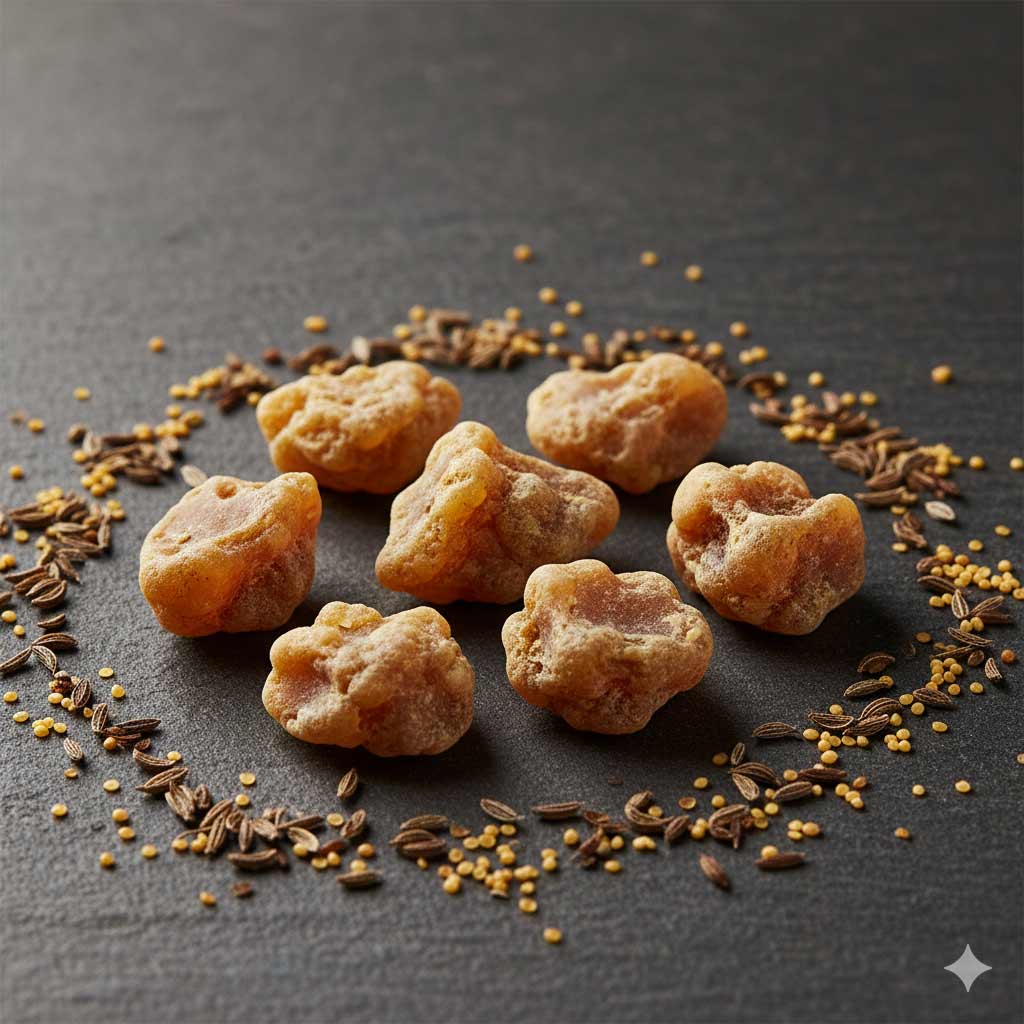
A resin with ancient roots
Asafoetida is made from the dried resin of the Ferula plant—a relative of fennel and celery—native to Iran and Afghanistan. Historical texts show that the spice has been used for more than 2,000 years.
A prized ancient ingredient
- In ancient Persia, it was valued both as a seasoning and for medicinal purposes.
- Greeks and Romans imported it under the name “laser” or “silphium substitute”, using it in sauces, meats, and digestive remedies.
- In India, it became deeply rooted in Ayurvedic practice and regional cuisines, especially in vegetarian dishes where its umami-like depth is highly appreciated.
Today, India is the world’s largest importer and consumer of asafoetida, where it plays a major culinary and cultural role.
The Flavor Profile: Strong at First, Smooth When Cooked
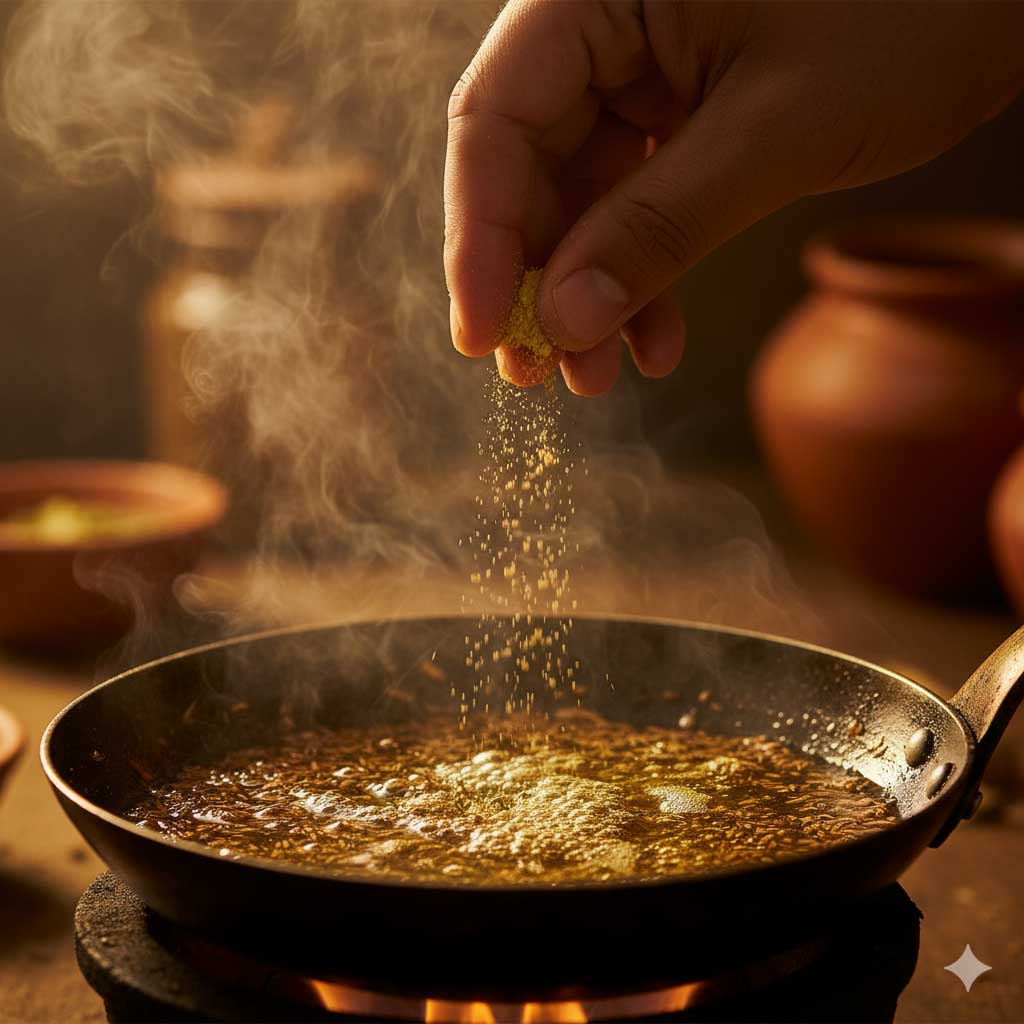
Asafoetida is famous for its initial pungency—often described as sulfurous, garlicky, or similar to leeks.
But here’s the twist:
Once heated, asafoetida transforms.
When cooked briefly in oil or ghee:
- The sharp, sulfur-like aroma softens.
- It develops a warm, savory, almost onion–garlic flavor.
- It contributes depth and umami to dishes without overpowering them.
This makes it especially valuable in onion-free and garlic-free cuisines, such as some Jain and Brahmin cooking traditions in India.
Culinary Uses: How Asafoetida Shines in the Kitchen
Asafoetida is used in tiny amounts, typically just a pinch at a time. Despite that, it can drastically transform the character of a dish.
Indian Cooking
This is where asafoetida is most commonly used.
Typical uses include:
- Tadka (tempering) – Frying spices in hot oil or ghee, then adding them to lentils, vegetables, or curries. Asafoetida is often added at the beginning to infuse the oil with flavor.
- Dal (lentil soups) – Adds warmth and depth, especially in simple dals like dal tadka or moong dal.
- Vegetable stir-fries – Enhances the taste of okra, cabbage, potatoes, or eggplant.
- Pickles – Used in some Indian pickling blends for both flavor and preservation.
Middle Eastern and Central Asian Uses
While less common than in India, asafoetida has historically been used to season:
- Meat dishes
- Legumes
- Rich stews
Its pungency works well with hearty, slow-cooked foods.
Vegan and Vegetarian Cooking
Because it adds a savory, allium-like character, asafoetida can help build flavor in:
- Onion-free and garlic-free dishes
- Vegan broths
- Plant-based proteins
- Simple sautéed greens or beans
It’s especially helpful in dishes that need aroma without using animal products.
Health Benefits (General Knowledge)
While research is limited, asafoetida has been traditionally associated with several wellness uses.
Commonly cited traditional benefits include:
- Digestive support: Historically used to reduce bloating and support gut comfort.
- Anti-inflammatory properties: The resin contains compounds that have been studied for their mild anti-inflammatory potential.
- Respiratory support: Traditional systems used it to ease breathing discomfort.
These uses come from long-standing culinary and herbal traditions rather than strong modern clinical evidence, so they should be viewed as general knowledge rather than medical claims.
How to Cook With Asafoetida: Practical Tips
Since asafoetida is so potent, a little goes a long way. Here’s how to use it effectively:
1. Always Cook It in Oil or Ghee
Heat transforms its flavor. Add a pinch to hot oil at the beginning of cooking.
This removes the sharpness and brings out the savory notes.
2. Use Just a Pinch
Most recipes need only:
- A pinch (1/16 teaspoon), or
- At most 1/8 teaspoon for larger dishes
Using too much can overwhelm a dish.
3. Store It Properly
Asafoetida is sensitive to air and moisture. Keep it:
- In an airtight container
- In a cool, dry place
- Ideally away from other spices (it can scent everything)
4. Consider the Form You Buy
Asafoetida is usually sold as:
- Pure resin – Very strong, used in extremely tiny quantities
- Powdered form mixed with rice flour or gum arabic – More common and easier to use
Most home cooks use the powdered version.
5. Pair It With the Right Ingredients
Asafoetida complements:
- Lentils
- Potatoes
- Chickpeas
- Cabbage and cauliflower
- Eggplant
- Butter, ghee, or neutral oils
- Cumin, mustard seeds, and turmeric
For beginners, adding a pinch during tadka for a dal or vegetable sauté is the easiest way to start.
Conclusion: A Powerful Spice Worth Exploring
Asafoetida may not be the most famous spice on your shelf, but it brings a unique combination of aroma, warmth, and depth that few ingredients can match. From ancient trade routes to everyday Indian kitchens, this bold resin has remained an essential part of cooking traditions for centuries.
If you’re looking to expand your spice collection with something distinctive—and capable of transforming simple recipes—asafoetida is an excellent choice. With just a pinch, you can add layers of savory complexity to your dishes and explore a spice that is as historic as it is flavorful.
