Author: manon galand

  • Sichuan Red Pepper: A Vibrant Spice at the Heart of Asian Cuisine

    Among the aromatic treasures of Asia, Sichuan pepper holds a singular place.
    red

    Neither a true red pepper nor a simple condiment, this berry—with its lemony fragrance and mild numbing effect—has, over the centuries, become a hallmark of Chinese cuisine. A cornerstone of Sichuan gastronomy, it now captivates chefs worldwide, offering an endless source of culinary creativity. Its fascinating history, complex aromas, and health benefits deserve close attention.

    Geographical Origin: A Jewel from the Sichuan Mountains

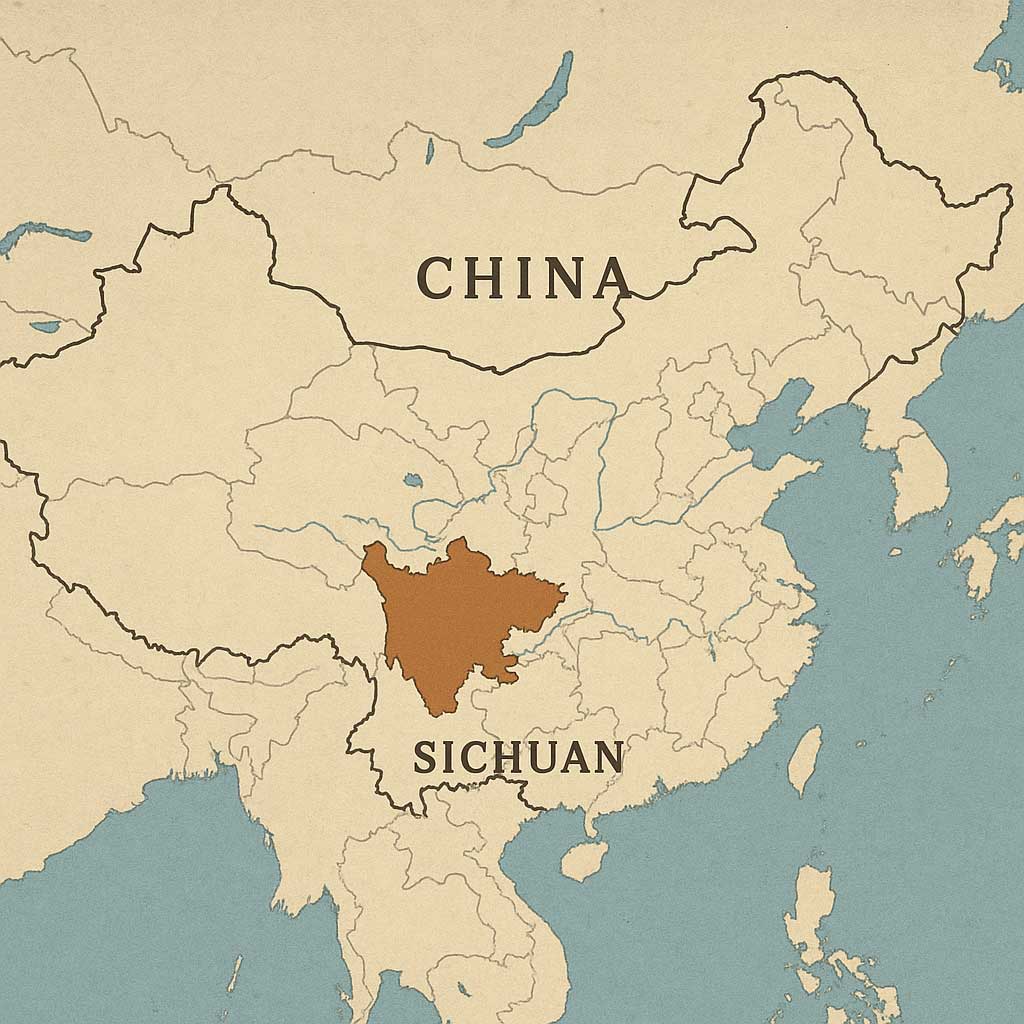
    Sichuan pepper, also called hua jiao (花椒, “flower pepper”), comes mainly from Sichuan province, in southwestern China. This mountainous region, dotted with fertile valleys and traversed by the Yangtze River, enjoys a warm, humid climate conducive to exceptional biodiversity.

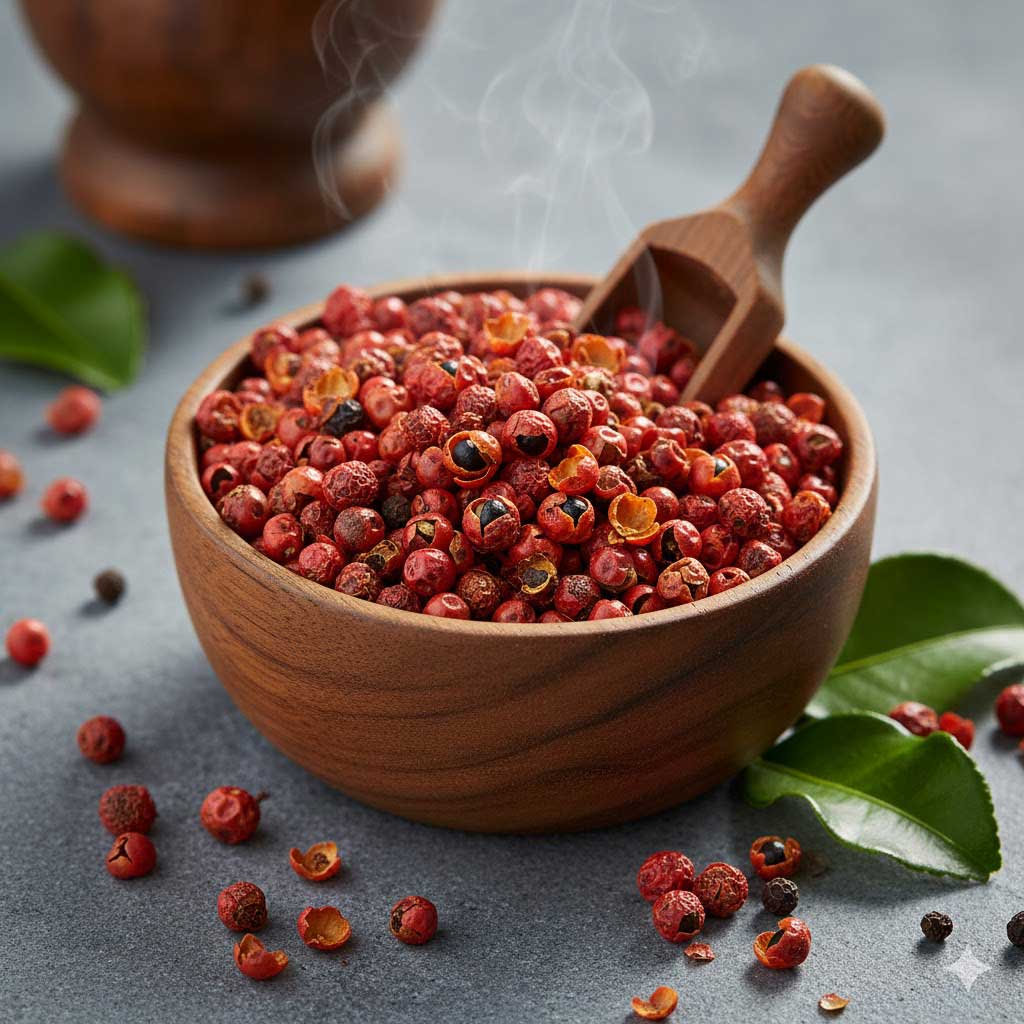
    Sichuan pepper is not harvested from a pepper vine but from a shrub: Zanthoxylum piperitum or Zanthoxylum simulans, depending on the variety. These shrubs, related to citrus trees, produce small red capsules that split open when ripe, revealing their black seeds. Interestingly, it is not the seeds that are used, but the aromatic husks surrounding them.

    Although its natural home is Sichuan, cultivation has spread over time to other Chinese provinces as well as to Japan, Bhutan, and Nepal. Nevertheless, Sichuan remains the benchmark, prized for both the quality and aromatic potency of its berries.
    red

    A Millennia-Old History Woven with Tradition and Prohibition

    Sichuan pepper has been used for over 2,000 years in Chinese cuisine and medicine. As early as the Han dynasty (206 BCE – 220 CE), texts mention its central role in preparing spicy dishes. It was valued both for flavoring food and for purifying water or preserving ingredients, thanks to its antiseptic properties.

    This spice also held ritual significance: it appeared in certain offerings and was considered a symbol of protection due to its powerful, enveloping aroma.

    Curiously, Sichuan pepper was banned in the United States from 1968 to 2005—not because it was toxic, but due to a potential risk of transmitting a plant parasite that could affect local citrus crops. The ban was lifted once reliable sterilization methods were developed.

    Today, Sichuan pepper is exported worldwide and features in countless culinary creations.

    Flavors and Aromas: A Sensory Firework

    Sichuan pepper’s uniqueness lies in its unparalleled sensory experience, which unfolds in several stages:

    An Enchanting Aroma

    Even before tasting, Sichuan pepper captivates with its intense fragrance:

    • Citrus notes (lime, grapefruit)
    • Floral hints reminiscent of rose
    • Occasionally a subtle woody undertone

    Its aroma is often described as bright, invigorating, and electrifying.

    Culinary Uses: A Versatile Condiment

    Sichuan pepper can be used whole, crushed, or lightly roasted and ground. Light roasting awakens its essential oils and enhances its fragrance.

    Classic and contemporary uses include:

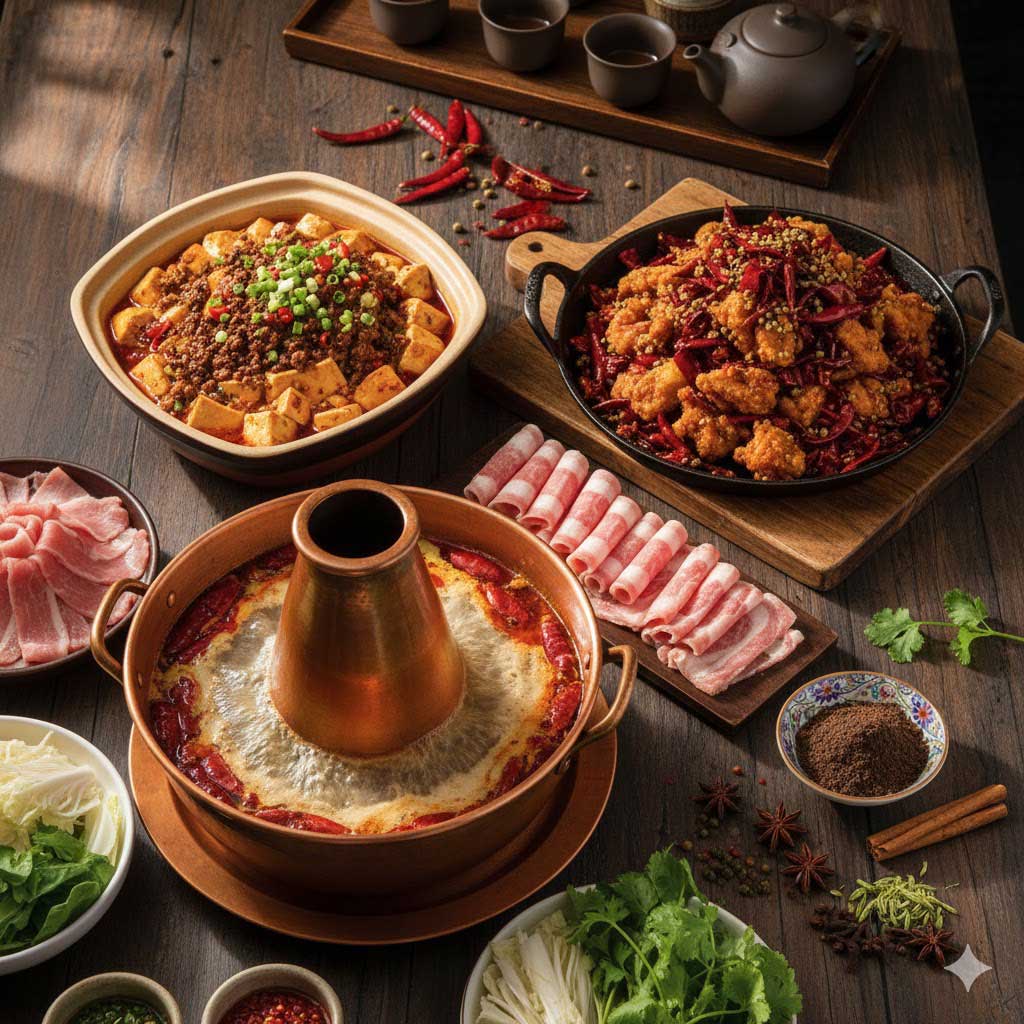
    In traditional Chinese cuisine:
    red
    • Mapo tofu: A signature dish combining tofu, minced meat, doubanjiang chili paste, and Sichuan pepper.
    • Sichuan chicken (or Chongqing chicken): Generously spiced with red chilies and roasted berries.
    • Broths and hot pots: The foundation of the famous huo guo (Sichuan hot pot).
    • Five-spice powder: One of the essential components of this iconic Chinese blend.

    Health Benefits and Virtues

    Like many spices, Sichuan pepper is rich in beneficial compounds. Traditional Chinese medicine attributes several virtues to it:

    • Digestive properties: Stimulates digestion, reduces bloating, and helps with certain gastrointestinal issues through its tonic and stimulating effects.
    • Anti-inflammatory and antioxidant effects: Its essential oils contain natural antioxidants that combat oxidative stress and inflammation.
    • Antibacterial action: Its ability to inhibit the growth of certain bacteria explains its historical use in food preservation.
    • Circulation stimulation: The warming, tingling effect promotes local blood flow.

    While these benefits are recognized in Asian culinary and medicinal traditions, moderation is naturally advised.

    Conclusion

    Sichuan pepper is far more than a simple spice—it is a living testament to an ancient culture rich in flavors and traditions. Its citrusy fragrance, freshness, and electrifying effect make it a unique spice, capable of transforming a simple dish into an extraordinary sensory experience.

    Whether in an authentic Sichuan recipe, a modern dessert, or a daring cocktail, it adds a touch of magic and escape. Exploring this spice is like journeying into the heart of China, through misty mountains, fragrant markets, and vibrant gastronomy—a must for all culinary enthusiasts.

    See another article.
  • Cloves: A Millennial Spice with a Thousand Virtues

    Cloves are one of those spices whose aroma evokes warmth, comfort, and indulgence all at once.

    Used since Antiquity, they today hold an essential place in cuisines worldwide as well as in many medicinal traditions. Their intense flavor and numerous therapeutic properties make them a precious ingredient, cherished by chefs and herbalists alike. Let’s explore this fascinating spice, one of the oldest commodities in global trade.

    aroma

    Geographical Origin: A Treasure from the Spice Islands

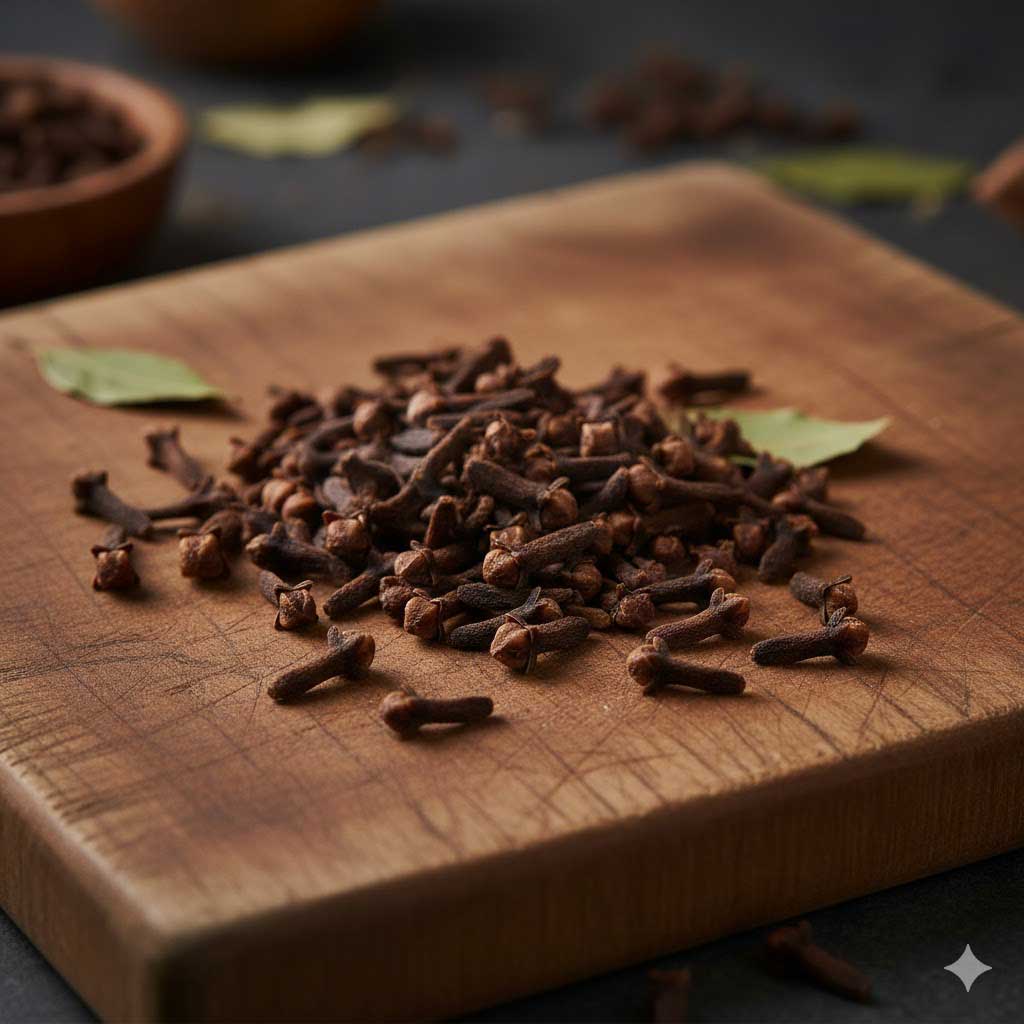
    Cloves are the dried flower buds of the clove tree (Syzygium aromaticum), native to the Moluccas, also known as the “Spice Islands” in Indonesia. Located in the Banda archipelago, these sun-drenched volcanic islands were the exclusive home of the clove tree for centuries.

    These isolated islands were the only place in the world where the plant grew naturally, explaining the immense value of cloves in earlier times. Today, production has spread to other tropical regions, with Zanzibar and Madagascar as major producers, along with Sri Lanka, India, and Brazil.

    The clove tree is a majestic tropical tree that can reach up to 20 meters in height. It thrives in hot, humid climates and fertile volcanic soils, which explains its success across the Indian Ocean archipelagos.

    A Rich History of Trade and Conquest

    The history of cloves is closely linked to the development of maritime trade routes. Chinese sources from over 2,000 years ago already mention their use: imperial dignitaries chewed cloves before addressing the emperor to freshen their breath.

    In Antiquity, Arab merchants were the first to bring this precious spice to Europe and India. It was only in the Middle Ages that cloves became a highly coveted commodity, sometimes priced as high as gold due to their rarity and desirability. They were used to flavor food, preserve ingredients, and as remedies.

    By the 15th century, European powers competed fiercely for control of the Moluccas. The Portuguese, followed by the Dutch, established strict commercial monopolies, even burning clove trees outside their controlled zones to maintain exclusive trade.

    It was not until the 18th century that the French secretly introduced clove plants to Mauritius and then to Zanzibar, ending the Dutch monopoly. Since then, clove cultivation has spread widely throughout the tropics.

    Flavors and Aromas: A Powerful Aromatic Concentrate

    Cloves are distinguished by their exceptional aromatic intensity. Their flavor and scent come primarily from eugenol, a compound that makes up up to 80% of their essential oil.

    Cloves offer:

    • a warm, spicy aroma
    • woody and slightly smoky notes
    • a sweet, almost floral touch
    • a sharp, camphor-like kick that adds depth to dishes
    aroma

    Their potency is such that often just one or two cloves are enough to flavor an entire dish. They should therefore be used sparingly to avoid overpowering other flavors.

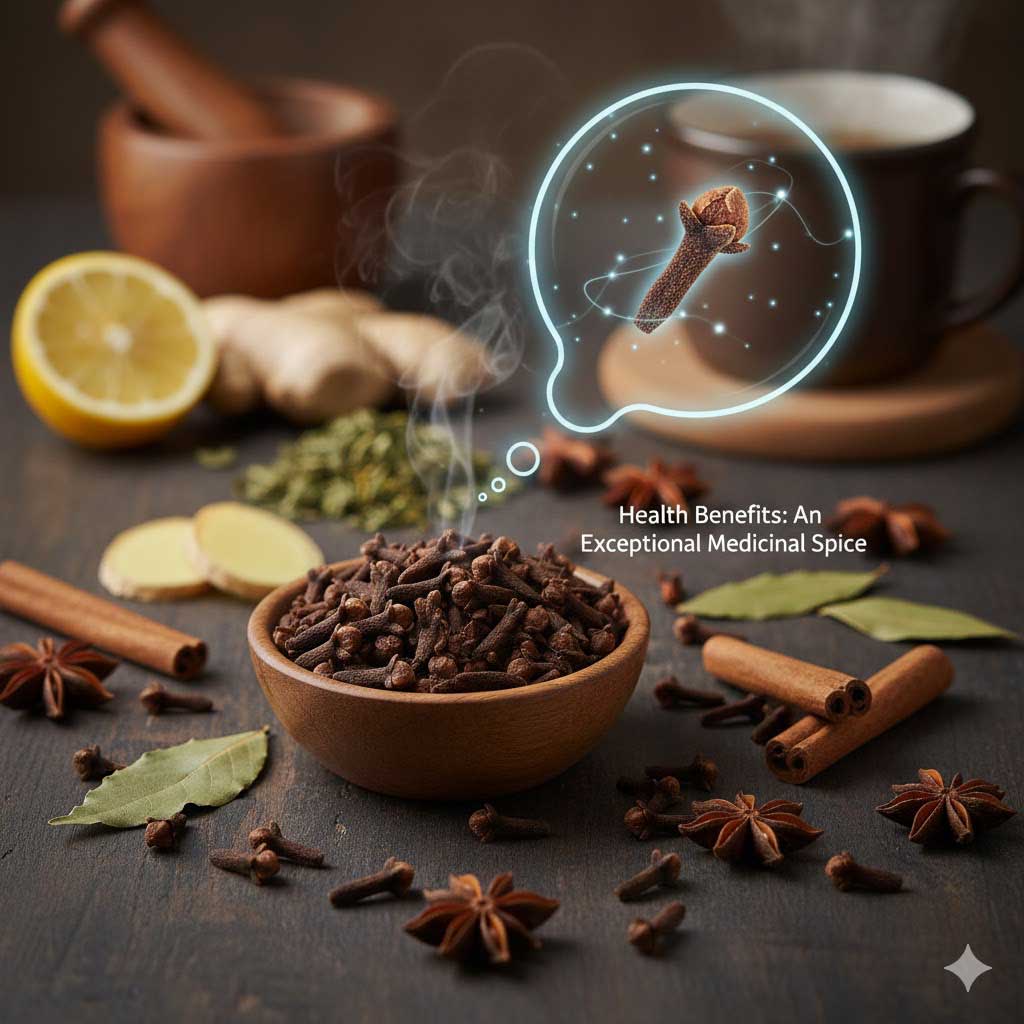
    Health Benefits: An Exceptional Medicinal Spice

    Cloves are not only valued for their aroma—they also have numerous recognized therapeutic virtues.

    aroma

    1. Powerful Antiseptic and Antibacterial

    Eugenol gives cloves remarkable antibacterial properties. Historically, they were used to preserve food and disinfect wounds.

    2. Relief for Toothaches

    Cloves are perhaps the most well-known natural remedy for dental pain. Eugenol acts as a mild anesthetic and disinfectant and is still used in modern dentistry.

    3. Anti-Inflammatory Properties

    Clove essential oil soothes inflammation, whether muscular, joint-related, or internal.

    4. Digestive Aid

    Cloves stimulate digestive enzymes, reduce bloating, and relieve nausea. A clove infusion is a traditional remedy for indigestion.

    5. Potent Antioxidant

    Rich in phenolic compounds, cloves help fight oxidative stress and cellular aging.

    6. Natural Tonic

    In some traditional medicines, cloves are used to stimulate circulation and energize the body.

    Caution: Clove essential oil is highly concentrated and should be used with care.

    Conclusion

    Cloves, born in the volcanic islands of Indonesia, have traveled across centuries and continents to become an indispensable spice. Their warm, powerful aroma, rich flavor, and numerous virtues make them a precious and timeless ingredient.

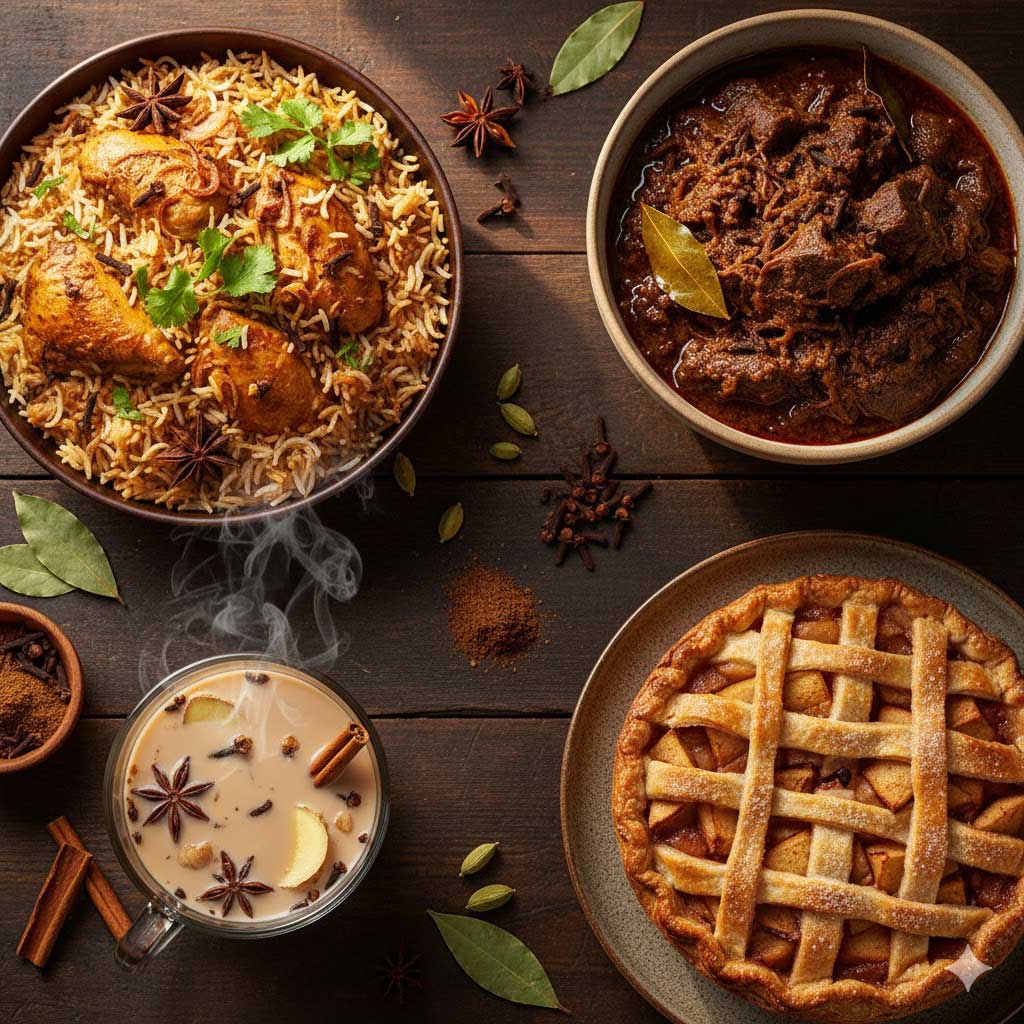
    Whether to flavor a stew, enhance a compote, prepare mulled wine, or soothe a toothache, this millennial spice has countless uses. A symbol of ancient trade, a witness to great explorations, and a treasure of nature, cloves continue to captivate today with their versatility and potency.

    See another article.

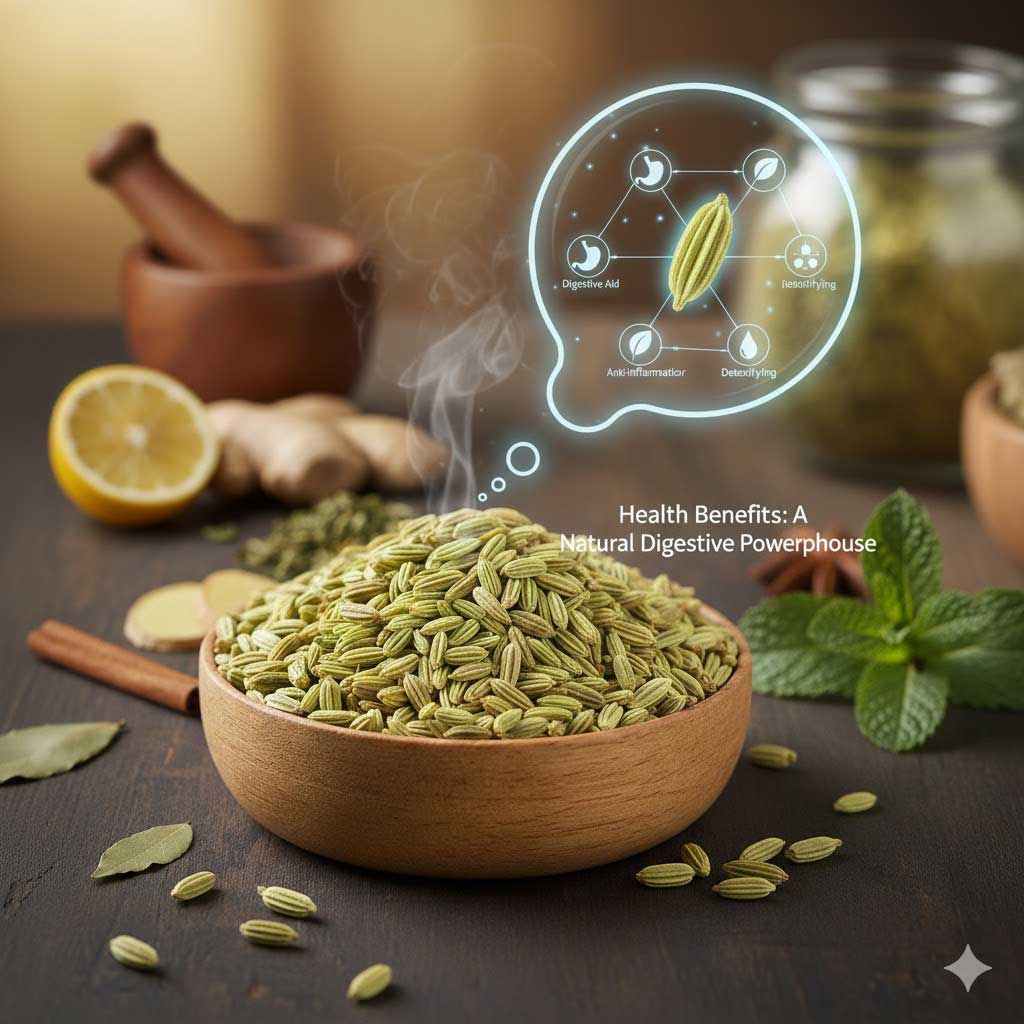
  • Fennel Seeds: A Sweet, Fragrant Spice with Ancient Virtues

    Among the world’s oldest and most versatile spices, fennel seeds hold a special place in global culinary traditions.

    sweet

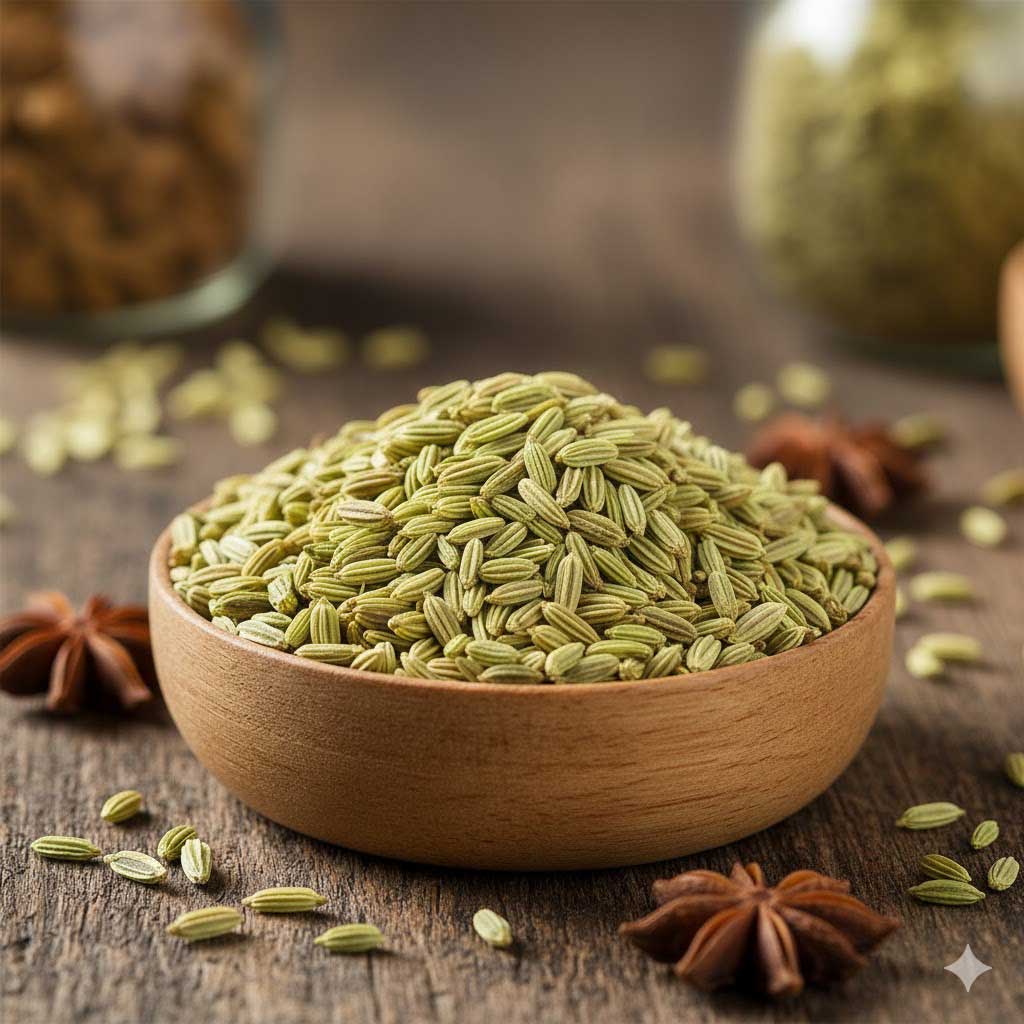
    Harvested from the aromatic plant Foeniculum vulgare, they have been used since Antiquity for their anise-like fragrance, natural sweetness, and powerful digestive properties. Long regarded as a medicinal treasure, they have crossed civilizations, trade routes, and cultural traditions to become an essential ingredient in many cuisines around the world.

    From the sun-drenched Mediterranean basin—where they originated and thrive in dry, warm climates—to the fertile lands of India, where they are ubiquitous in curries, desserts, and Ayurvedic rituals, fennel seeds have established themselves as a truly universal spice. Their delicate aroma—aniseed, sweet, and refreshing—makes them a condiment capable of elevating grilled fish, aromatic breads, soothing herbal infusions, and complex spice blends alike.

    Beyond their culinary appeal, fennel seeds are also valued for their health benefits: they aid digestion, soothe the respiratory system, and provide a rich source of antioxidants. For millennia, they have played an essential role in traditional medicinal practices.

    Geographical Origin: A Treasure Born in the Mediterranean Basin

    Fennel seeds come from common fennel (Foeniculum vulgare), a perennial plant in the Apiaceae family. Native to the Mediterranean region, fennel grows naturally in dry soils, along coastal areas, rocky hillsides, and sunny terrains across southern Europe.

    Its tolerance to heat, its preference for arid climates, and its distinctive aroma have contributed to its spread throughout the Mediterranean. Over the centuries, fennel has taken root in:

    • India and Pakistan, where it has become a major spice
    • China and Central Asia
    • North America, where it sometimes grows wild

    Today, the largest producers of fennel seeds include India, Egypt, and Turkey, although the spice remains central to the culinary traditions of southern Europe.

    A Millennia-Old History of Myths, Traditions, and Medicine

    Fennel seeds have a deeply rooted history in both Mediterranean and Asian traditions.

    In Antiquity

    In ancient Greece, fennel was associated with courage and strength: athletes consumed it to increase endurance. The seeds were also used to flavor food and to treat digestive disorders.

    For the Romans, fennel seeds were believed to sharpen eyesight and purify the breath. Soldiers chewed the seeds during long marches to reduce hunger and improve digestion.

    In the Middle Ages

    Fennel became common in monastic gardens. Seeds were harvested to prepare medicinal infusions believed to soothe colic, stomach discomfort, and respiratory issues.

    In India

    Fennel’s history took on even greater significance in India. Known as saunf, fennel seeds are central to Ayurvedic medicine. They are also traditionally served at the end of meals in Indian restaurants to freshen the breath and aid digestion.

    Flavors and Aromas: Sweet Aniseed Notes and Fresh Herbal Tones

    Fennel seeds are instantly recognizable for their aniseed, sweet, and refreshing aroma. Their aromatic richness comes primarily from anethole, a compound also found in anise and licorice.

    Their flavor offers:

    • warm, subtly sweet notes
    • a gentle anise fragrance, milder than green anise
    • a fresh, herbal undertone
    • a delicate hint of pepper

    When lightly toasted, fennel seeds release deeper caramelized notes and a more intense aroma.

    Unlike many spices, fennel seeds are naturally mild, allowing them to be used generously without overpowering other flavors.

    Culinary Uses: A Universal and Exceptionally Versatile Spice

    Fennel seeds are used in countless cuisines around the world. Their sweetness and aromatic softness make them suitable for both savory and sweet dishes.

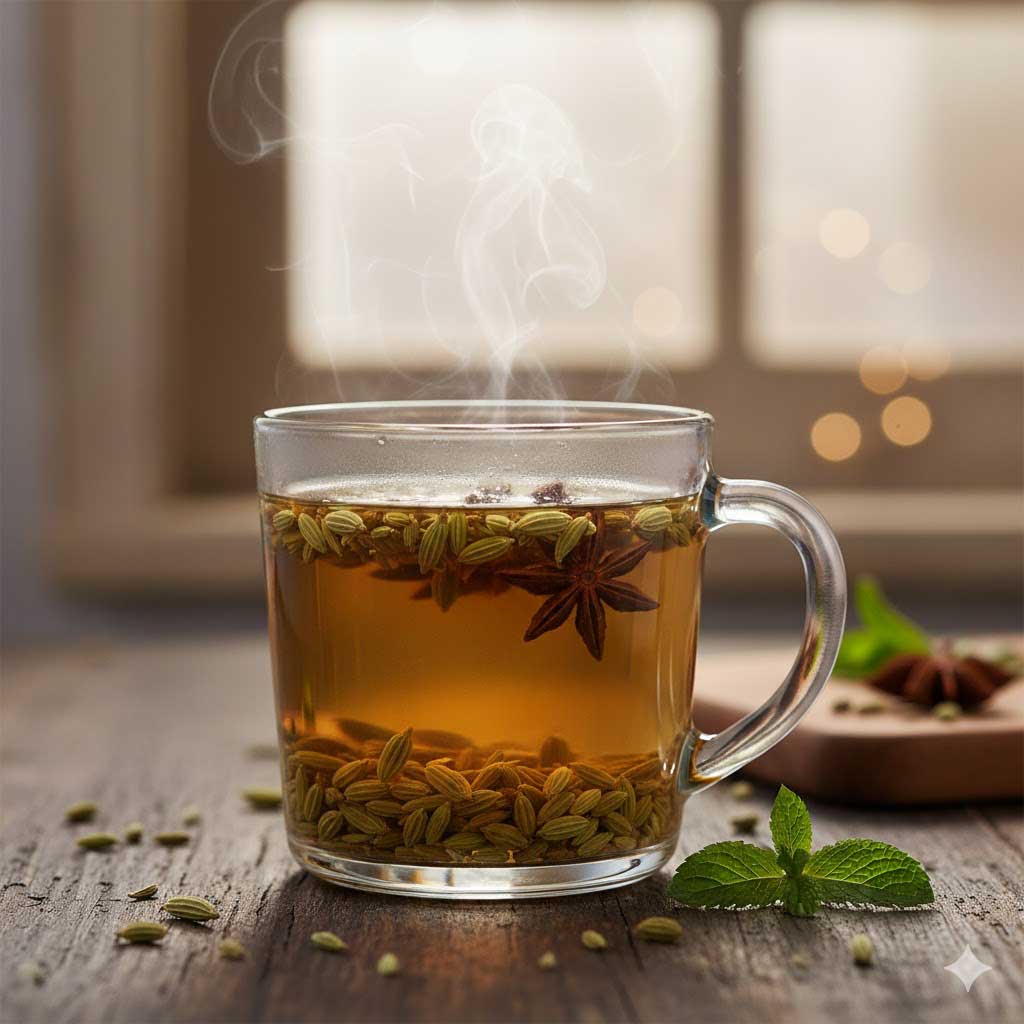
    In Infusions

    Highly appreciated for their digestive virtues, fennel seeds make a soothing, fragrant, and naturally sweet herbal tea.

    sweet

    Health Benefits: A Recognized Medicinal Spice

    Since Antiquity, fennel seeds have been regarded as a precious natural remedy—an excellent reputation backed by tradition.

    1. Improved Digestion

    sweet

    Fennel seeds:

    • reduce bloating
    • soothe intestinal cramps
    • stimulate digestive enzymes
    • decrease gas and fermentation

    This is why they are often consumed at the end of a meal.

    2. Anti-inflammatory and Antioxidant Properties

    Rich in phenolic compounds and anethole, fennel seeds help fight inflammation and cellular aging.

    3. Respiratory Benefits

    Traditionally used to loosen mucus and soothe coughs, fennel seeds are often included in respiratory herbal mixes.

    4. Gentle Hormonal Support (According to Traditional Practices)

    In herbal medicine, fennel seeds are believed to help:

    • regulate menstrual cycles
    • ease premenstrual discomfort
    • support lactation (with medical advice)

    5. Natural Breath Freshener

    They are commonly used as a natural mouth freshener, either in rinses or simply chewed after meals.

    Conclusion

    Fennel seeds are a truly exceptional spice: sweet, fragrant, digestive, and versatile. Born in the Mediterranean but embraced across the world, they offer a delicate aniseed aroma capable of enriching an Indian curry, a Mediterranean fish dish, rustic bread, or a relaxing herbal tea.

    With their millennia-old history, subtle flavors, and widely recognized benefits, fennel seeds fully deserve their place in both our kitchens and our herbal remedy collections—an essential spice that is as delicious as it is beneficial.

    See another article on fennel seeds and on cinnamon.

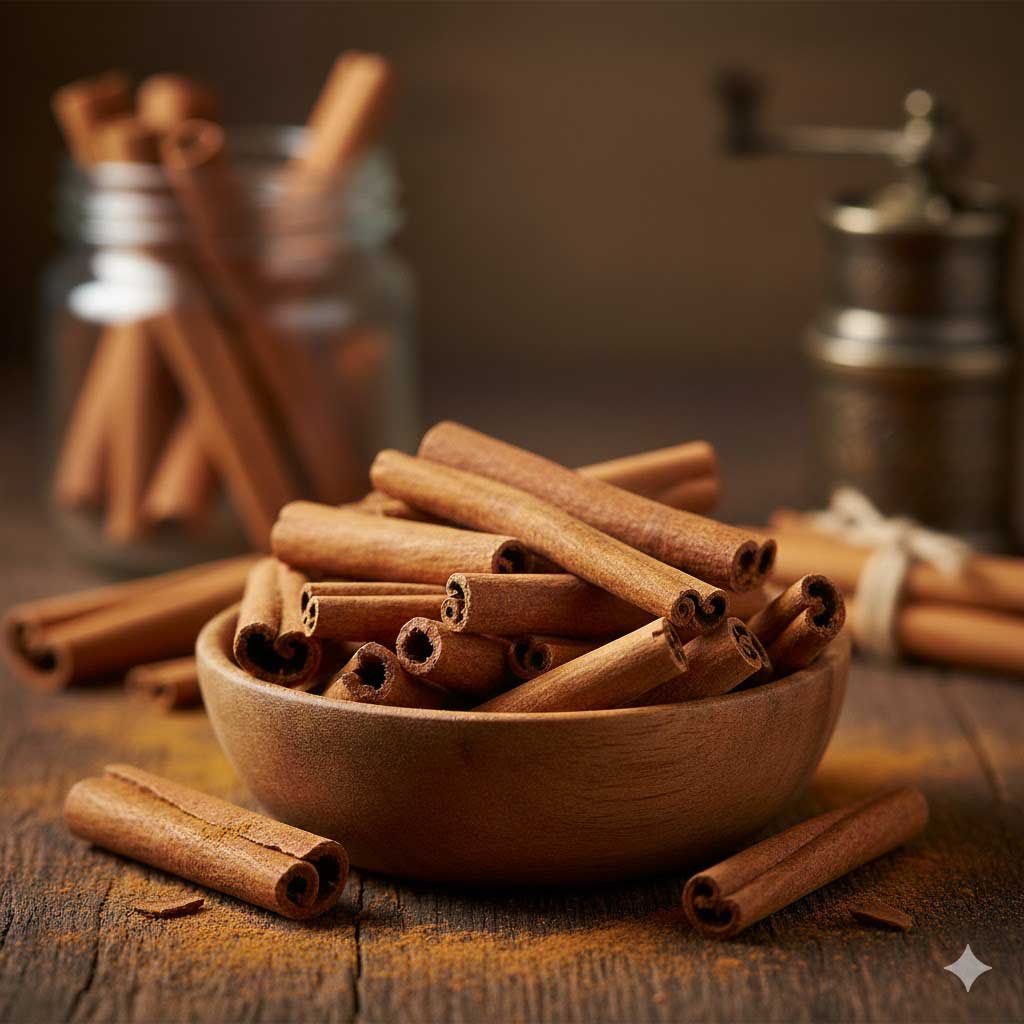
  • Discover Cinnamon origin: An Amazing and Delightful Spice With Incredible Flavor and Wellness Benefits

    Explore cinnamon origin among the world’s most beloved spices, cinnamon holds a special place.

    Discover cinnamon origin with its warm aroma evokes comfort, sweetness, and familiarity, while its history stretches back thousands of years, intertwining with ancient trade routes, royal courts, and traditional medicine. Used today in cuisines across the globe, cinnamon is both a culinary treasure and a natural remedy praised for its many health-promoting properties.

    spice

    Let’s explore the origins, evolution, flavors, uses, and benefits of this iconic spice that continues to enchant palates worldwide.

    Geographical origin: A spice rooted in south and southeast asia

    Cinnamon is obtained from the inner bark of trees belonging to the Cinnamomum genus. While several varieties exist, two dominate the global market:

    1. Ceylon Cinnamon (Cinnamomum verum)

    Also known as “true cinnamon”, it originates from Sri Lanka, where the tropical climate and fertile soils create ideal growing conditions. It is also found in southern India and parts of Madagascar.

    2. Cassia Cinnamon (Cinnamomum cassia)

    Cassia, the stronger and more common type, is native to China, with related varieties thriving in Indonesia and Vietnam.

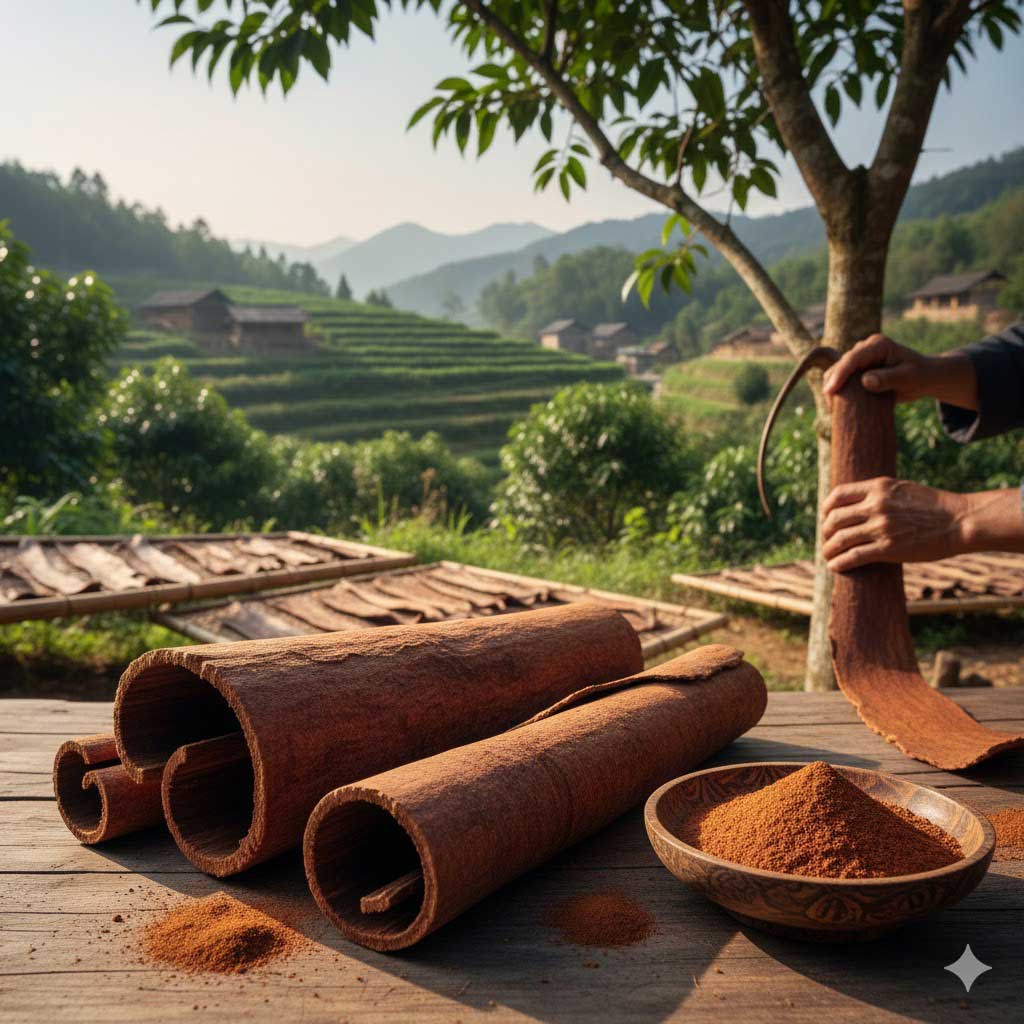
    The harvesting process remains remarkably traditional: the bark is carefully scraped, peeled, and rolled into the iconic quills that dry into fragrant curls. This artisanal method contributes to the spice’s unique character and enduring value.

    Similarly, Sichuan pepper is another spice rooted in South and Southeast Asia, valued for its unique aroma and numbing flavor. See more here.

    spice

    A long and fascinating history: From sacred rituals to ancient trade routes

    Cinnamon has one of the longest documented histories among spices. Its story spans thousands of years and touches many civilizations.

    Ancient Civilizations

    The Egyptians used cinnamon as early as 2000 BCE. It appeared in, embalming rituals, for its preservative qualities, in religious ceremonies, symbolizing purity and in luxury perfumes and ointments.

    In the Bible, cinnamon is mentioned repeatedly as a sacred fragrance and an ingredient in holy anointing oils.

    Greek and Roman Empires

    To the Greeks and Romans, cinnamon was a rare and precious commodity valued more than gold. Roman emperors burned large quantities at funerals to honor the dead—a symbol of extraordinary wealth.

    These civilizations long believed fanciful stories about cinnamon’s origin, including legends that it grew in nests guarded by giant birds—myths created by spice traders to protect their sources.

    The spice trade and European exploration

    From the Middle Ages to the Renaissance, cinnamon played a central role in global commerce. Arab merchants controlled its trade for centuries, transporting it over land and sea to European markets.

    During the Age of Exploration, European powers—Portugal, the Netherlands, and later Britain—fought fiercely for control of Sri Lanka and its cinnamon plantations. The spice became a central economic incentive driving maritime exploration and colonization.

    Today, cinnamon remains a beloved ingredient worldwide, produced primarily in Sri Lanka, Indonesia, China, and Vietnam.

    Flavors and aromas: Warm, sweet, and comforting

    Cinnamon is celebrated for its unmistakable flavor profile. It is warm, sweet, and slightly spicy, thanks to cinnamaldehyde, the compound responsible for its aroma.

    Ceylon Cinnamon (True Cinnamon)

    • delicate and mildly sweet
    • subtle, floral notes
    • light, fragile quills

    Cassia Cinnamon

    • stronger, bolder, more intense
    • richer in spiciness
    • thicker, darker sticks

    The spice’s versatility allows it to enhance sweet dishes, savory recipes, beverages, and even sauces and marinades.

    Culinary uses: An essential spice in kitchens around the world

    Cinnamon’s versatility makes it a global favorite across culinary traditions.

    In Beverages :

    Cinnamon enhances:

    • teas and herbal infusions
    • mulled wine
    • chai
    • hot chocolate
    • lattes and festive drinks
    spice

    A stick of cinnamon transforms a simple cup of tea or hot cider into a comforting ritual.

    Health benefits: A natural remedy with impressive properties

    Cinnamon is not only delicious—it is also highly valued in traditional medicine and supported by modern research.

    1. Powerful antioxidant

    Cinnamon is rich in polyphenols, which help protect cells from oxidative stress and inflammation.

    2. Anti-inflammatory properties

    Its active compounds contribute to reducing inflammation in the body, supporting overall wellness.

    3. Supports healthy digestion

    Cinnamon:

    • eases bloating
    • stimulates digestion
    • soothes stomach discomfort
    • has mild carminative effects

    It is commonly used in digestive herbal blends.

    4. Helps regulate blood sugar

    Some studies suggest cinnamon may improve insulin sensitivity and contribute to more stable blood glucose levels, particularly with cassia varieties.

    5. Antimicrobial and antifungal effects

    Cinnamon has natural properties that help fight bacteria, fungi, and certain viruses, making it a traditional ingredient in remedies for colds and flu.

    6. A natural comforting remedy

    Used in teas and infusions, cinnamon provides warmth, supports circulation, and brings a sense of comfort during colder seasons.

    Note: Cassia cinnamon contains higher levels of coumarin, so it should be consumed in moderation.

    Conclusion

    From the ancient temples of Egypt to modern kitchens across the globe, cinnamon has maintained its reputation as a spice of luxury, comfort, and healing. Its warm, sweet aroma and remarkable versatility make it essential in countless recipes, while its therapeutic properties have earned it a place in traditional and modern medicine.

    Whether sprinkled on a morning latte, infused into a fragrant curry, or used to soothe digestion, cinnamon continues to enchant with its timeless charm. An extraordinary spice with a story as rich as its flavor—cinnamon truly deserves its iconic status.

  • Star AniseStar Anise: The Aromatic Star That Has Fascinated for CenturiesStar Anise

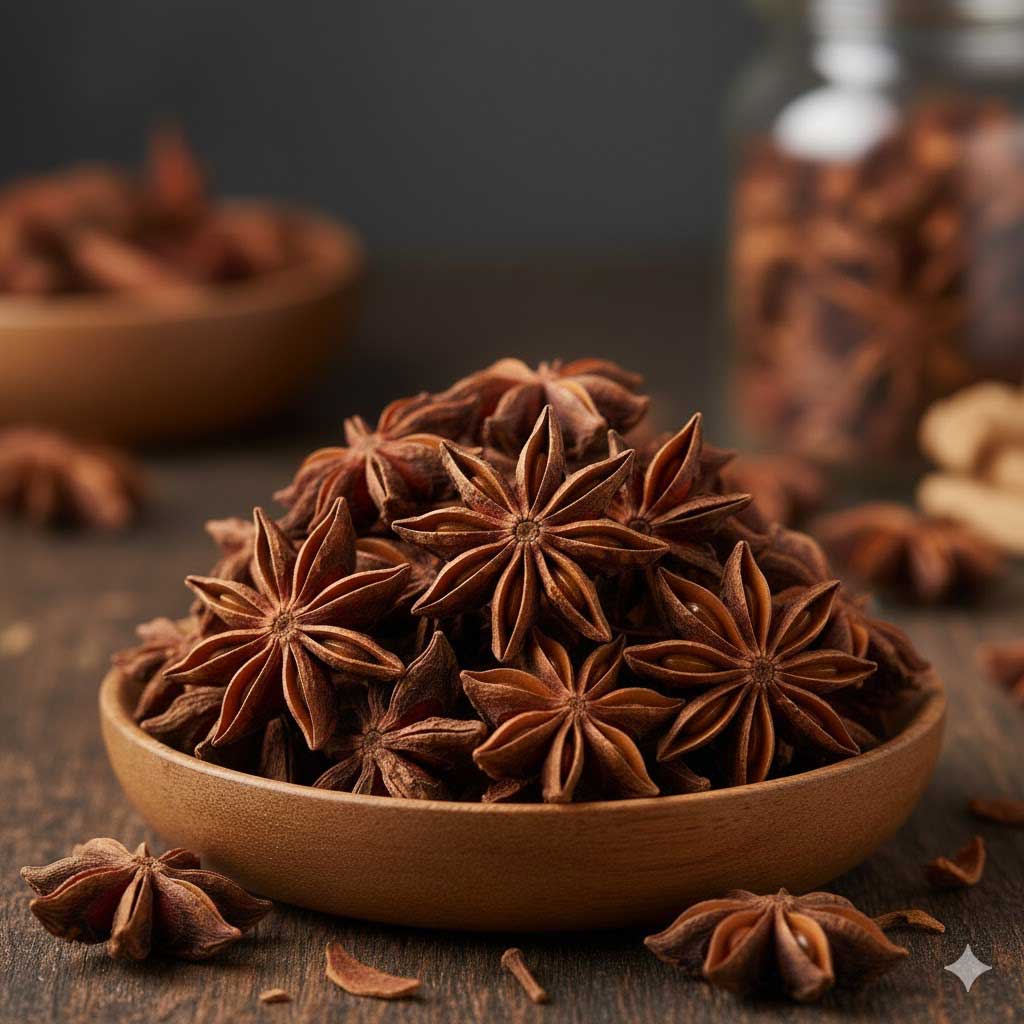
    Also known as star anise, badiane is one of the most elegant and recognizable spices in the world.

    star anise

    Its star-shaped form, captivating fragrance, and medicinal virtues make it a treasured ingredient in both Asian cuisine and Western gastronomy. Decorative, aromatic, and therapeutic all at once, this spice from the Far East has journeyed across trade routes, cultures, and eras. Let us explore the origin, history, flavors, and many benefits of star anise—this fragrant star that has enhanced our dishes for millennia.

    Geographical Origin: A Spice Born in Southern China and Southeast Asia

    Star anise comes from the Chinese star anise tree (Illicium verum), an evergreen belonging to the Schisandraceae family. Native to the warm and humid regions of southern China—particularly Guangxi and Yunnan—it also grows in parts of Vietnam and Laos.

    This tropical tree, which can reach 10 to 15 meters in height, produces green star-shaped fruits that turn brown as they dry. These wooden stars, composed of 6 to 10 carpels, are what we call star anise. Each arm contains a shiny, fragrant seed, but it is the star-shaped husk that holds the essential aromatic compounds.

    Today, Vietnam is one of the world’s largest producers of star anise, alongside China. The tree requires a subtropical climate, regular rainfall, and rich soil—conditions ideally found in these Asian regions.

    A Millennia-Old History: From Chinese Medicine to the Spice Routes

    Star anise has been used in China for over 3,000 years. Initially valued as a medicinal plant, it was prescribed to treat digestive disorders, soothe pain, and warm the body. It appears in ancient texts of traditional Chinese medicine, including the Ben Cao Gang Mu, one of the most influential medical compendiums in Asian history.

    Star anise did not reach Europe until the 16th century. Portuguese and French explorers and merchants, captivated by this fragrant star, brought it back in their spice shipments. It quickly won over European cooks, who used it in desserts, gingerbread, and liqueurs.

    In the 19th century, star anise became a key ingredient in the production of many anise-flavored spirits, such as:

    • pastis
    • ouzo
    • raki
    • sambuca

    Its sweetness and strong aroma made it an ideal substitute for aniseed, which was often more expensive to produce.

    More recently, star anise gained renewed global interest due to one of its components—shikimic acid, used in the manufacture of antiviral medications. This significantly increased its economic and strategic importance.

    Flavors and Aromas: A Warm, Aniseed Explosion

    Star anise is best known for its powerful, warm, anise-like aroma, very similar to that of aniseed but with added depth and sweetness.

    Its flavor reveals:

    • sweet, smooth notes reminiscent of licorice
    • a warm, spicy fragrance
    • a slightly peppery, camphor-like touch
    • a long-lasting, persistent finish

    This aromatic richness comes mainly from anethole, the compound responsible for its anise flavor. Its aroma is so strong that a single star is often enough to flavor an entire dish.

    The spice’s iconic star shape is not only beautiful—it also releases its aroma gradually and evenly during cooking.

    Culinary Uses Around the World

    In Asian Cuisine

    Star anise is a cornerstone of Chinese cooking. It appears in:

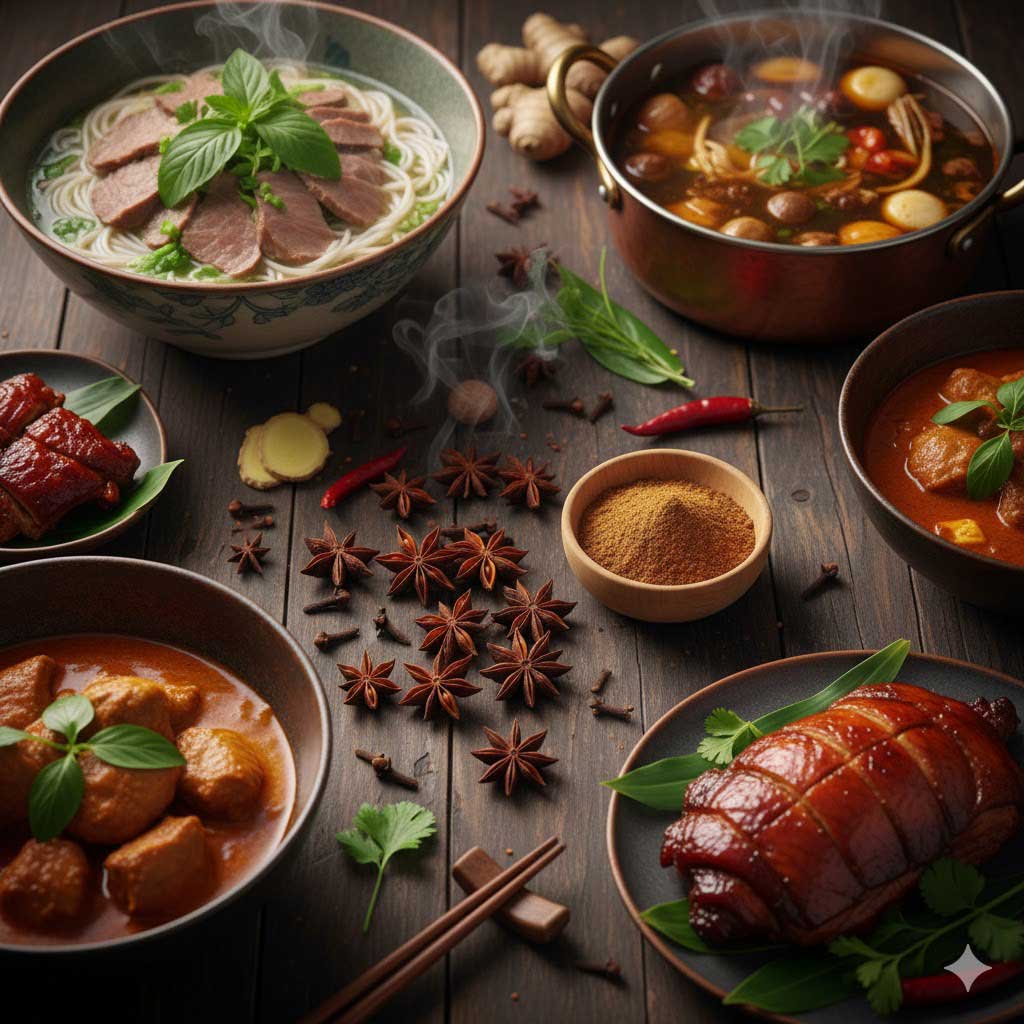
    • Chinese five-spice powder
    • fragrant Asian broths
    • slow-cooked dishes like Vietnamese phở
    • marinades for lacquered meats
    • curries and aromatic soups
    star anise

    In Vietnam, it is an essential ingredient in phở broth, giving it its characteristic sweetness.

    In Beverages and Spirits

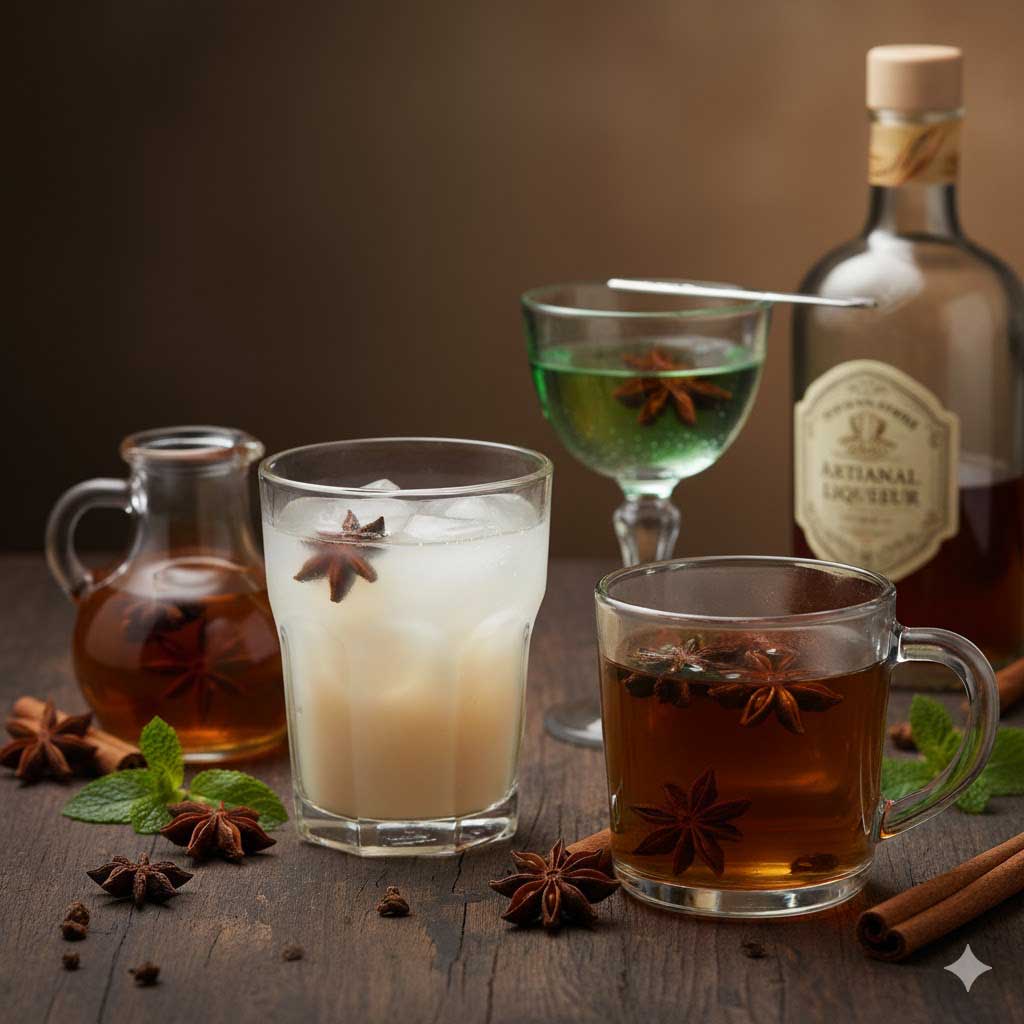
    Star anise is used to flavor:

    • pastis
    • ouzo
    • absinthe
    • artisanal liqueurs
    • syrups and herbal infusions
    star anise

    Steeped in hot water, it creates a sweet, digestive, and deliciously fragrant tea.

    Health Benefits: A Medicinal Spice with Proven Properties

    Star anise is far more than a simple seasoning—it is also a medicinal plant valued for centuries.

    Antimicrobial Properties

    It has traditionally been used to fight mild digestive infections and respiratory ailments.

    Supports Respiratory Health

    Star anise soothes coughs and helps clear mucus. It is often included in winter herbal teas for this reason.

    A Natural Source of Antioxidants

    It helps protect cells from premature aging and oxidative stress.

    Conclusion

    With its unique star shape and enchanting anise aroma, star anise stands out as one of the world’s most elegant and versatile spices. Born in China, celebrated throughout Asia, and later embraced by the West, it has connected culinary cultures for centuries. Whether it flavors an Asian broth, a fruit compote, a comforting herbal tea, or an anise-flavored spirit, it always brings warmth, sweetness, and character.

    Both decorative and aromatic, medicinal and delicious, star anise is a spice that continues to shine brightly in the universe of flavors—an essential ingredient symbolizing travel, well-being, and indulgence.

    See another article.