Author: Manon Dragan

  • Braised Beef with Red Wine, Cloves, and Root Vegetables

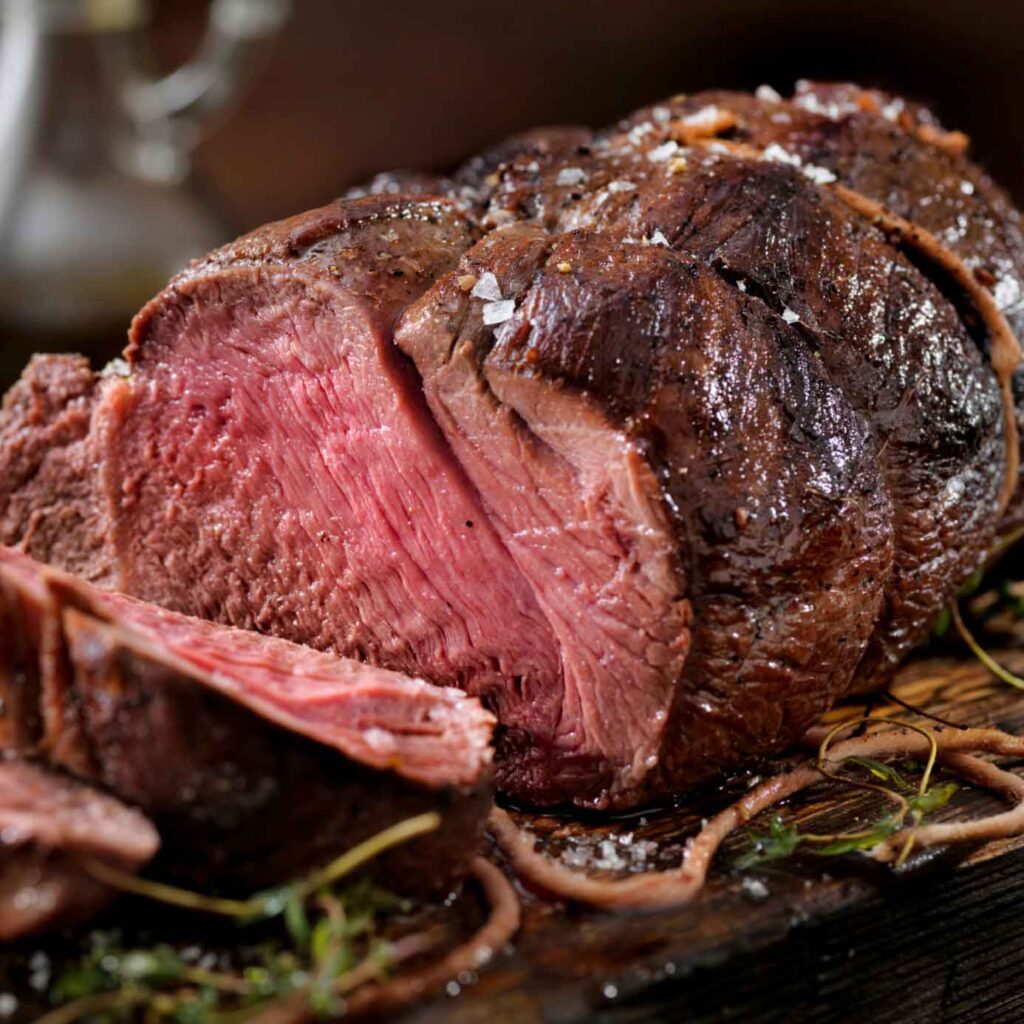
    Plate of cooked beef, sliced and garnished, ready to serve.

    Clove is the scent of depth and memory. It recalls winter markets, old kitchens, and simmering stews that warm both air and conversation. Unlike most spices, it carries a shadow — intense, resinous, slightly bitter — yet, when used with restraint, it adds astonishing complexity. In this recipe, cloves enrich a red‑wine braised beef, slowly cooked with onions, carrots, and parsnips until the meat falls apart and the sauce darkens into velvet.

    Ingredients (serves 6)

    • 1.5 kg (about 3 lb) beef chuck or brisket, cut into large cubes
    • Salt and black pepper
    • 3 tablespoons olive oil
    • 2 onions, peeled and thickly sliced
    • 3 carrots, cut into chunks
    • 2 parsnips, cut into chunks
    • 3 garlic cloves, smashed
    • 3 or 4 whole cloves (no more)
    • 2 bay leaves
    • 1 teaspoon dried thyme or a sprig of fresh
    • 2 tablespoons tomato paste
    • 500 ml (2 cups) good red wine
    • 300 ml (1¼ cup) beef or vegetable stock
    • 1 tablespoon flour (optional, for thickening)
    • Fresh parsley to finish

    Preparing the Base

    Pat the beef dry with paper towels and season generously with salt and pepper. In a heavy pot or Dutch oven, heat olive oil over medium‑high heat. Brown the beef in batches so the pieces sear properly instead of steaming. Every browned surface adds flavor. Remove the meat and set it aside.

    In the same pot, add onions, carrots, and parsnips. Sauté for five minutes until they pick up a little color. The onion should soften and release its sweetness. Then add garlic, tomato paste, and the flour if using. Stir for one minute to coat everything. This base — vegetables, oil, and tomato paste — is what anchors the sauce later.

    The Depth of Clove
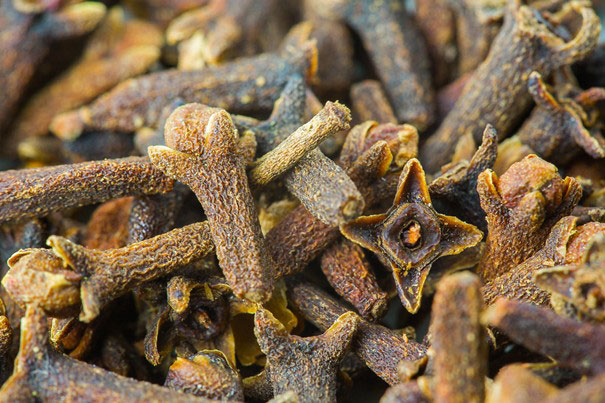
    Whole dried cloves with dark brown stems and bud-shaped tops, used as aromatic spice.

    Now add the whole cloves, bay leaves, and thyme. Give them a quick stir in the heat of the pot. Their scent rises immediately — sharp, bright, and woody. This is the moment to breathe it in. Clove can easily dominate a dish, so three or four whole pieces are more than enough for an entire pot. As they simmer, they will infuse the liquid deeply without overwhelming the palate.

    Pour in the red wine. As it bubbles, scrape the browned bits from the bottom with a wooden spoon — those dark fragments are pure flavor. Let the wine reduce by about half, which takes five to seven minutes. Then return the beef to the pot and pour in the stock until the meat is just covered.

    Bring to a gentle simmer, reduce the heat to low, cover, and let it cook slowly for two and a half to three hours. The goal is a quiet burble — just visible movement at the surface of the liquid. From time to time, stir gently and check the level, adding a splash of water if it thickens too much.

    The Transformation

    Time does the rest. Over the hours, fibers loosen, marrow melts, and the sauce develops body. The cloves quietly yield their oil into the broth, forming an undercurrent of spice that deepens but never burns. The entire kitchen fills with a perfume that seems to slow everything down.

    An hour before the end, taste the sauce. If the clove flavor feels too assertive, remove a piece or two carefully with a spoon. If it’s perfectly balanced — a subtle background hum — leave them. Near the end, check seasoning and add a touch more salt or a splash of wine for brightness.

    Serving

    When the beef yields to the touch of a spoon, it’s done. The sauce will be thick, glossy, and slightly sweet from the vegetables. Remove the bay leaves and cloves (if you can find them). Skim any excess fat from the surface or leave it for richness.

    Serve the stew ladled into deep bowls or over mashed potatoes, buttery polenta, or fresh egg noodles. The best garnish is a scattering of parsley and perhaps a squeeze of lemon to cut through the depth. The result is a balance between darkness and light — the savory meat, the sweetness of roots, the whisper of spice that lingers on the tongue.

    Texture and Flavor

    Clove defines this dish not by dominance but by restraint. Without it, the stew would be pleasant but plain; with too much, it would taste medicinal. With just enough, it feels alive — like warmth traveling through the chest. The spice reshapes the edges of the meat and wine, rounding bitterness into complexity. Each forkful carries layers: the silkiness of slow‑cooked meat, the earthy sweetness of carrot, the fragrance of thyme drifting behind the clove’s fleeting spark.

    Variations

    This braise adapts easily. You can replace beef with lamb for richer sweetness, or pork shoulder for softer texture. Red wine can yield to dark beer or cider for a lighter, autumn‑apple twist. Add mushrooms during the last hour for darker umami depth or a handful of prunes for gentle sweetness.

    If you want a slightly thicker sauce, uncover the pot for the last 20 minutes so it can reduce naturally. The liquid should cling to a spoon, glossy but not heavy. Leftovers, rested overnight, taste even better — the flavors blend and mellow, the clove’s voice becoming rounder, almost hidden but essential.

    The Spirit of the Dish

    Glass of red wine with deep ruby color, served in a clear wine glass.

    This recipe isn’t fast food; it’s slow comfort. It suits a Sunday afternoon when the light fades early and there’s time to let something deepen on the stove. Clove gives the meal a sense of ceremony without formality — a reminder of how a small spice can change everything.

    There’s pleasure too in the fragrance that stays long after dinner, gentle and familiar. The aroma of cloves doesn’t vanish quickly; it anchors itself in the air, in the memory of warmth. Long after the last plates are dried, that scent lingers like gratitude.

    Braised beef with wine and cloves is not just food. It’s a quiet ritual of patience — a dish that asks you to slow down, wait, and let complexity build unnoticed. When the first bite melts on the tongue, it carries all those hours of stillness within it. Clove’s magic is exactly that: silent transformation.
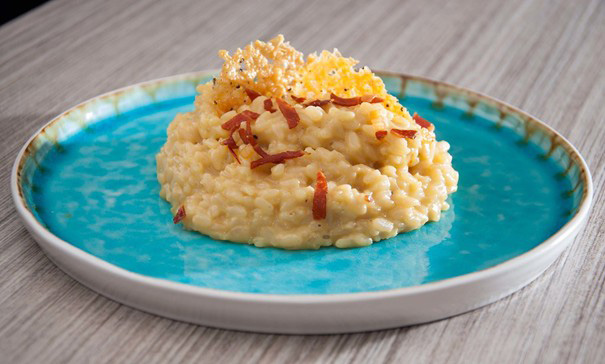

  • Saffron and Butternut Squash Risotto with Crispy Sage

    Creamy risotto served in a plate, garnished with herbs and grated cheese.

    Saffron is unlike any other spice. It brings color before taste, fragrance before flavor. One sees its golden hue bloom in the pan, and only then does its delicate aroma begin to rise, mild yet unmistakable — earthy, floral, a hint of honey and hay. Cooking with saffron is always ceremonial; its presence elevates even humble ingredients. This risotto embraces that grace, pairing the golden threads with butternut squash and Parmesan for a dish that glows like late‑autumn sunlight.

    The Inspiration

    Risotto makes an ideal canvas for saffron because it asks for patience. The slow stirring, the gradual addition of broth, the quiet bubbling — all of it mirrors saffron’s slow release of flavor. This recipe turns those gestures into something deeply soothing. Imagine a kitchen evening lit by the soft sound of wooden spoon against pan, the sweet scent of squash roasting in the oven, and the gentle transformation of rice into silk.

    Ingredients (serves 4)

    • 1 small butternut squash (about 800 g / 1¾ lb)
    • 250 g (1 cup) Arborio or Carnaroli rice
    • 1 small onion or shallot, finely chopped
    • 3 tablespoons olive oil (plus more for roasting)
    • 60 ml (¼ cup) dry white wine
    • 1 liter (4 cups) vegetable stock, kept hot
    • A small pinch (about ¼ teaspoon) saffron threads
    • 40 g (2 tablespoons) butter
    • 60 g (½ cup) grated Parmesan cheese
    • 6 to 8 fresh sage leaves
    • Salt and black pepper

    Preparing the Squash

    “Whole butternut squash with smooth beige skin.

    Peel and cube the butternut squash into 2‑centimeter pieces. Drizzle with olive oil, season with salt and pepper, and roast at 200°C (400°F) for 25–30 minutes, or until golden and tender. Halfway through, give the tray a shake so everything cooks evenly. The squash becomes sweet and caramelized — the perfect counterpart to saffron’s subtle bitterness.

    Reserve a few cubes for garnish and lightly mash the rest with a fork until soft but not puréed. This mixture will later be folded into the risotto for color and depth.

    Infusing the Saffron

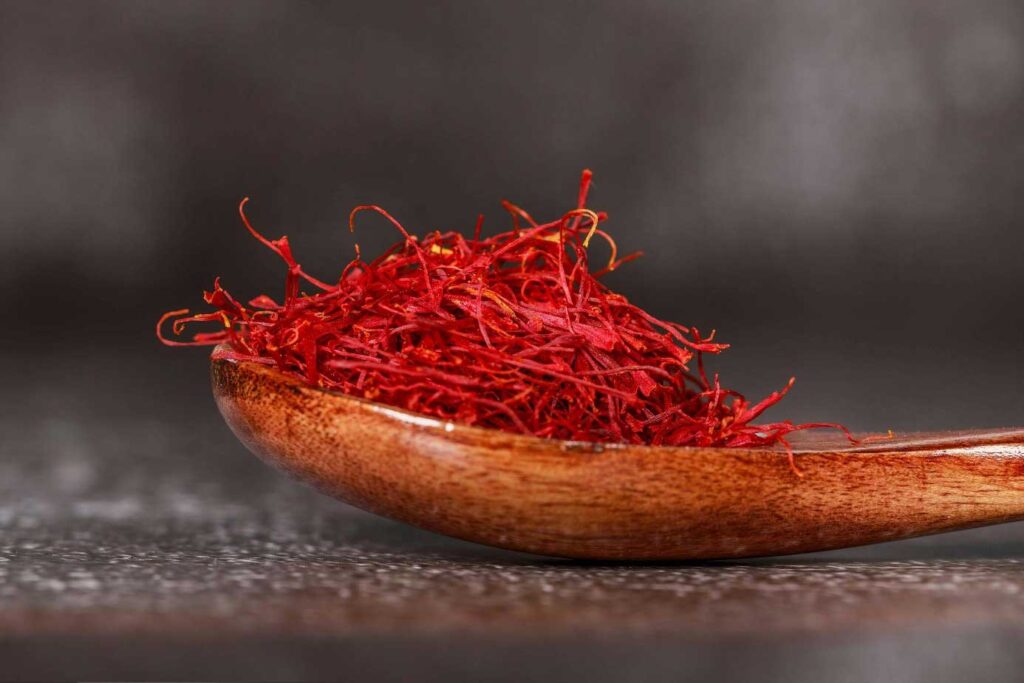
    Thin red saffron threads displayed in a small spoon, used as a fragrant spice.

    Meanwhile, pour a few tablespoons of hot stock into a small bowl and add the saffron threads. Let them steep for at least ten minutes. You’ll see the color unfold slowly, like watercolor spreading across paper. This step may seem small, but it’s vital — saffron must bloom in warmth before joining the dish.

    Building the Risotto Base

    In a large sauté pan or wide saucepan, heat two tablespoons of olive oil. Add the chopped onion and cook gently over medium heat for about five minutes, until translucent and sweet. Stir in the rice and toss it for one to two minutes until each grain gleams and turns slightly opaque at the edges.

    Pour in the wine and let it sizzle. Stir until it has evaporated. Now the rice is ready to begin its slow transformation. Add one ladleful of the hot stock, stirring constantly until most of the liquid is absorbed, then add another. Continue this rhythm for about fifteen minutes, keeping the liquid level just below the surface. The motion releases the rice’s starch, creating that creamy consistency without any added cream.

    Introducing the Saffron

    Once the rice begins to soften, pour in the saffron‑infused stock, including every last strand. The color will immediately deepen to a glowing gold. The perfume rises: gentle, dry, faintly metallic with sweetness behind it. Continue adding stock until the rice reaches the stage known in Italy as al onda — when it moves like a wave, thick yet fluid. This takes about 18 to 20 minutes total.

    Stir in the mashed squash and half the butter. Taste and adjust seasoning — saffron’s delicacy deserves a restrained hand with salt. Let everything rest for a minute off the heat to settle.

    The Finishing Touches

    While the risotto rests, heat a small pan with a film of olive oil and quickly fry the sage leaves for 10 seconds on each side until crisp. Place them on paper towel to drain. They will shatter delicately when touched, adding an herbaceous crunch to the creamy rice.

    Now stir the grated Parmesan and the remaining butter into the risotto. This is the moment of transformation — the rice turns glossy, the texture both rich and silken. Spoon it into warmed bowls, top with the reserved squash cubes and the fried sage. A drizzle of olive oil, or a few drops of lemon juice for brightness, finishes it beautifully.

    The Experience

    Each bite feels layered: the sweetness of squash, the faint tang of wine, the smooth saltiness of Parmesan, and the mysterious perfume of saffron weaving through it all. The sage interrupts the softness with crisp, aromatic contrast. The dish doesn’t shout. It hums in harmony, gentle but unforgettable.

    There’s comfort in how risotto demands attention. You can’t rush it; you must stay with it, listen to it. The gradual ladling, the subtle shift from broth to creaminess — all of it calms the mind as much as it nourishes the body. Saffron, expensive and rare, teaches a similar lesson: that luxury lies in slowness and intention. A few threads are enough, provided you give them time.

    Variations and Pairings

    For a heartier dinner, top the risotto with seared scallops or roasted mushrooms. Both love saffron’s warmth. For a vegetarian table, pair it with a sharp salad of arugula and walnuts to slice through the richness. You can swap the squash for sweet potato, or add peas for color contrast in spring.

    Leftovers make a fine arancini — small breadcrumb‑coated risotto balls fried until crisp, perfect for lunch the next day. Even cold, the flavors deepen overnight, the saffron more pronounced, almost honey‑like.

    The Essence of Saffron Cooking with saffron is like working with patience itself. It reminds the cook that small things — a pinch of threads, a few minutes of stirring — can yield something luminous. This risotto doesn’t just feed; it glows. The bowl arrives at the table golden as evening light, smelling faintly of harvest and quiet luxury.

  • Autumn Chickpea Curry

    As the days grow shorter and mist begins to settle on the windows, the body naturally craves warmth and comfort. Autumn is the perfect season for slow-cooked dishes, generous in flavor and texture. This chickpea curry is a perfect example — nourishing, easy to prepare, filled with orange and golden tones, and capable of waking the house with the scent of spices and tender vegetables. It celebrates the produce of fall — pumpkin, carrots, sweet onions — and the convivial spirit of vegetarian cooking.

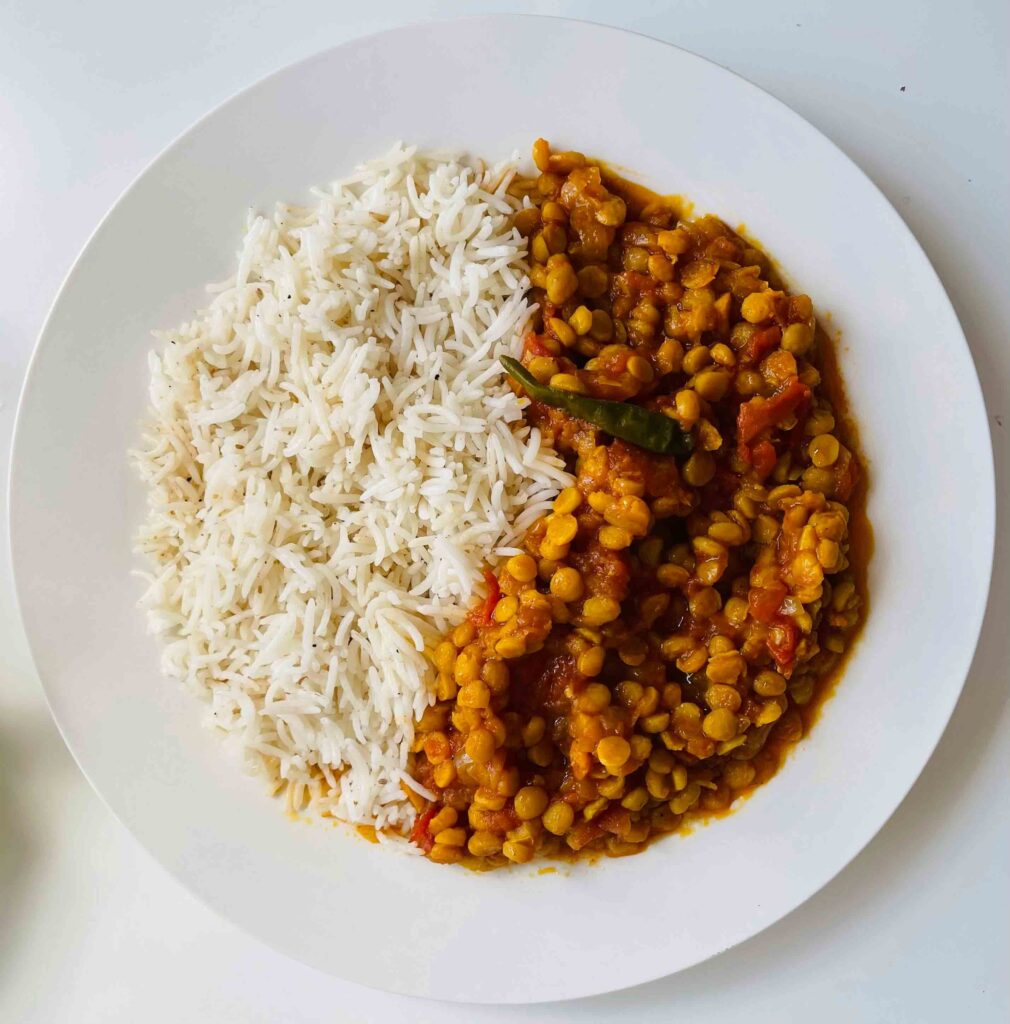
    Bowl of creamy chickpea curry with pumpkin, carrots, and fresh cilantro, served with basmati rice.

    Ingredients

    For four to six portions:

    • 400 g cooked chickpeas (canned or homemade)
    • 400 ml coconut milk
    • 2 tablespoons olive or coconut oil
    • 1 medium yellow onion
    • 2 garlic cloves
    • A small piece of fresh ginger (about 2 cm)
    • 2 carrots
    • 250 g pumpkin or butternut squash
    • 1 ripe tomato or 2 tablespoons tomato paste
    • 1 tablespoon curry paste (red or yellow, to taste)
    • 1 teaspoon ground turmeric
    • 1 teaspoon ground cumin
    • 1 teaspoon ground coriander
    • ½ teaspoon cinnamon
    • A pinch of chili or hot paprika (optional)
    • Juice of half a lime
    • A small bunch of fresh coriander (cilantro)
    • Salt and pepper
    • Basmati rice or quinoa for serving

    Preparing the Chickpeas and Vegetables

    If using dried chickpeas, soak them overnight in plenty of cold water, then boil them for about an hour in unsalted water until tender. Otherwise, a good can of chickpeas, rinsed and drained, will do perfectly.

    Peel and chop the vegetables: slice the onion finely, cut the carrots into half-rounds, and dice the pumpkin into roughly two-centimeter cubes. The secret to a good curry lies in even cutting — uniform pieces cook evenly. Grate the ginger and mince or crush the garlic.

    The Aromatic Base

    In a large pot or deep pan, heat the oil over medium heat. Add the onion and let it gently cook for five minutes until it turns golden and slightly sweet. Then add the garlic and ginger. Stir for about thirty seconds — this is when the kitchen begins to fill with fragrance.

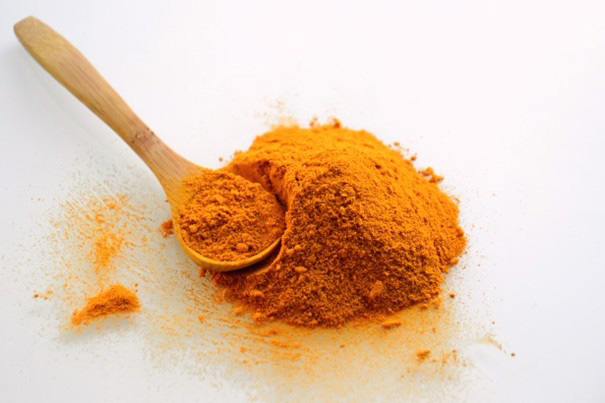
    Bright yellow curry powder in a small bowl, ready to use as a spice.

    Next, add the dry spices — turmeric, cumin, coriander, cinnamon, and a pinch of chili if you prefer more heat. Allow them to toast briefly to release their natural oils and deepen their aroma. Add the curry paste and stir well to coat the onions.

    The Vegetables and the Sauce

    Add the carrots and pumpkin pieces. Stir them into the spice mixture for two or three minutes. This slight pre-cooking builds flavor and gives the vegetables a nice color. Pour in the chopped tomato or diluted tomato paste and stir until you have a thick, richly colored base.

    Next, pour in the coconut milk and stir until smooth. Season lightly with salt. Bring to a gentle boil, then reduce the heat, cover, and simmer for about twenty minutes on low. The vegetables will soften, and the sauce will thicken naturally. The coconut milk lends a velvety creaminess that contrasts with the chickpeas’ firmer texture.

    Adding the Chickpeas

    When the vegetables are almost tender, add the drained chickpeas. Stir gently so that they absorb the sauce. Simmer uncovered for about ten more minutes. This allows the flavors to blend and reach the perfect consistency — neither too runny nor too thick.

    Taste and adjust seasoning — a little salt, freshly ground pepper, and perhaps a squeeze of lime for brightness. If the curry seems too strong, add a touch more coconut milk to mellow it.

    Finishing and Serving

    Before serving, scatter the curry with chopped fresh coriander. This simple touch transforms the dish: the fresh herbs bring a burst of green and a hint of citrus that balances the spices. For texture, sprinkle a few toasted pumpkin seeds or add a spoonful of plain yogurt for creaminess.

    Serve the curry hot with fragrant basmati rice or nutty quinoa. Flatbreads like naan or chapati make excellent companions. For an extra autumn note, pair it with a lightly spiced apple chutney or a crunchy red cabbage salad.

    Variations and Tips

    This curry adapts easily to the seasons. Replace pumpkin with sweet potatoes, fresh spinach, or zucchini depending on what’s available. For added protein, toss in cubes of grilled tofu. If you prefer a smoother texture, blend a portion of the curry before mixing in the chickpeas.

    You can experiment endlessly with spices. A touch of cardamom gives a wintry note, while a hint of orange zest brightens the dish. Some cooks swap coconut milk for Greek yogurt, which makes a lighter version — just remember to stir it in off the heat to prevent curdling.

    The curry keeps well for two or three days in the refrigerator and even improves with time. Reheated gently, it deepens in flavor. It also freezes beautifully, making it ideal for meal prep.

    The Spirit of the Dish

    Autumn chickpea curry is more than a recipe — it’s an invitation to slow down, cook gently, observe, and savor. In its simplicity, it embodies the generosity of plant-based cooking: colorful, nourishing, comforting. Each spoonful warms body and soul alike, tasting of light, spice, and quiet abundance.

    Autumn forest with trees displaying orange, red, and yellow foliage along a forest path.
  • Bread Pudding with Cinnamon and Maple Sauce for Autumn

    When autumn begins to turn the leaves copper and the air sharpens with chill, cinnamon becomes the scent that seems to hold the season itself. It wraps through kitchens like comfort in aromatic form — woodsy, warm, gently sweet. This bread pudding gives the spice a stage of its own, pairing it with vanilla, apples, and maple in a dish that is both humble and luxurious, soft and deeply fragrant.

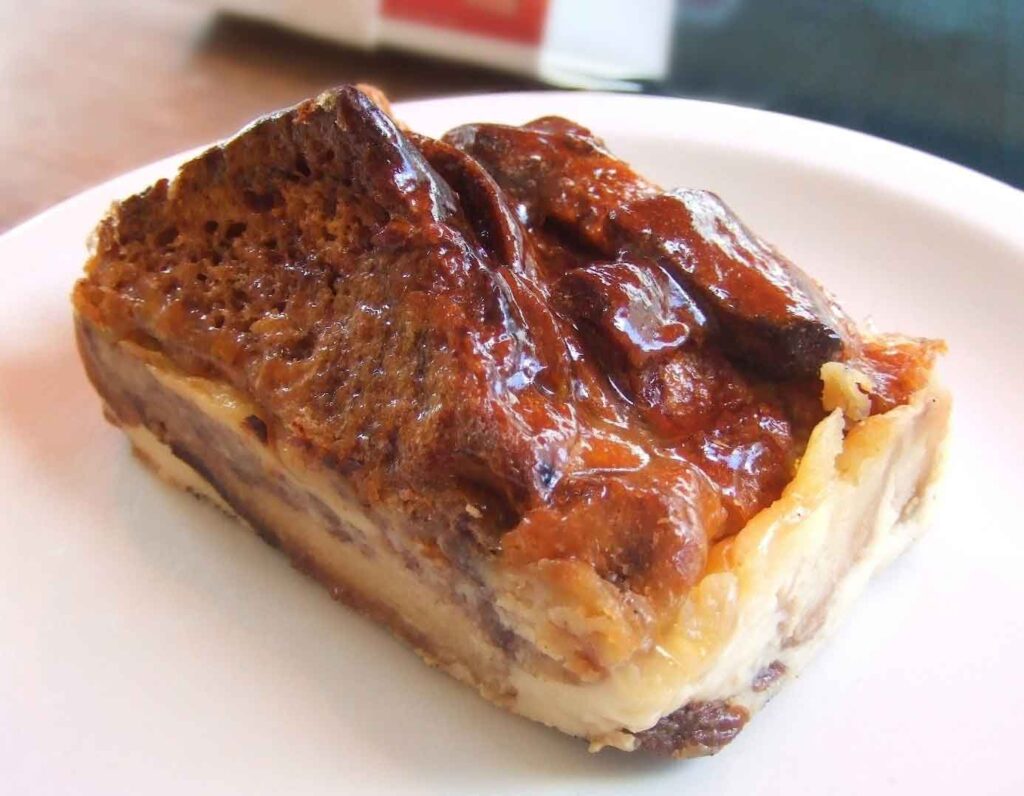
    Creamy pudding served in a bowl, topped with a light garnish.

    The Story of the Dish

    Bread pudding has always been a recipe of transformation — a way to give new life to leftover bread and infuse it with custard. In this fall version, cubes of stale brioche or challah soak in a cinnamon-infused cream, then bake until golden and crisp at the edges but tender under the crust. A drizzle of maple sauce turns it from rustic to decadent. It’s the kind of dessert served after a long Sunday roast, when conversation lingers and the first fog appears on the windows.

    Ingredients (serves 6)

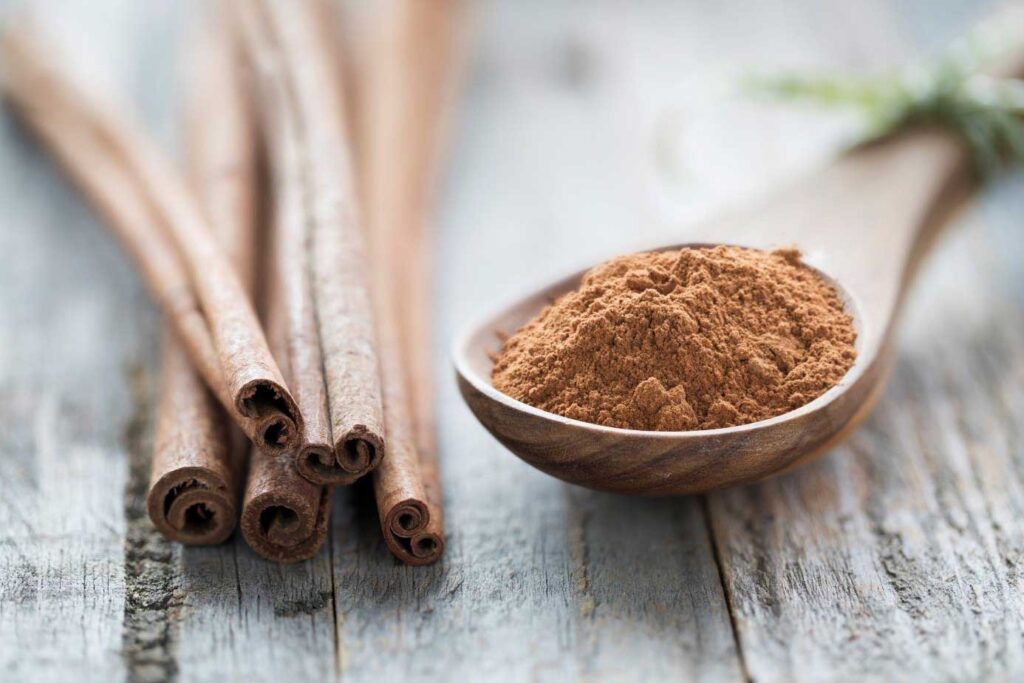
    Cinnamon sticks with warm brown color arranged on a wooden surface.
    • 250 g (about 9 oz) slightly stale brioche or challah
    • 400 ml whole milk
    • 200 ml heavy cream
    • 3 large eggs
    • 100 g (½ cup) brown sugar
    • 1 teaspoon vanilla extract
    • 2 teaspoons ground cinnamon
    • A pinch of nutmeg
    • 1 apple, peeled and diced
    • 50 g (¼ cup) raisins or chopped dates
    • 2 tablespoons of melted butter

    For the maple sauce:

    • 120 ml (½ cup) maple syrup
    • 50 g (¼ cup) butter
    • 1 tablespoon heavy cream
    • A pinch of salt

    Preparing the Base

    Cut the brioche into rough cubes, each about the size of a walnut. Place them in a large bowl and let them dry slightly while you prepare the custard. The slightly stale texture allows them to absorb flavor without disintegrating.

    Warm the milk and cream in a saucepan over gentle heat until just below a simmer. Add the cinnamon and nutmeg and stir so the aromatic oils bloom into the liquid. The kitchen will instantly smell like a pie bakery. Let the mixture rest for five minutes so the spices fully infuse the dairy.

    In another bowl, whisk together the eggs, brown sugar, and vanilla until smooth. Gradually pour the warm spiced milk into the egg mixture, stirring constantly to avoid curdling. This forms a silky custard that will soak into every crumb of bread.

    Assembling the Pudding

    Preheat the oven to 175°C (350°F) and butter a medium-sized baking dish. Scatter half of the bread cubes inside, then sprinkle half of the diced apple and raisins. Layer the rest on top, followed by the remaining fruit. Pour the custard evenly over everything, pressing lightly with the back of a spoon to ensure all bread pieces are moistened. Let it rest for about fifteen minutes — this short wait allows the bread to drink up the custard, deepening the flavor and creating that luxurious texture between pudding and souffle.

    Drizzle melted butter over the surface before baking. Bake for 35 to 40 minutes until puffed, golden, and just set in the center. The top will crisp beautifully while the inside remains plush and custardy. As it bakes, the scent of cinnamon, vanilla, and baked apples fills the home like an announcement that autumn is fully here.

    The Maple Sauce

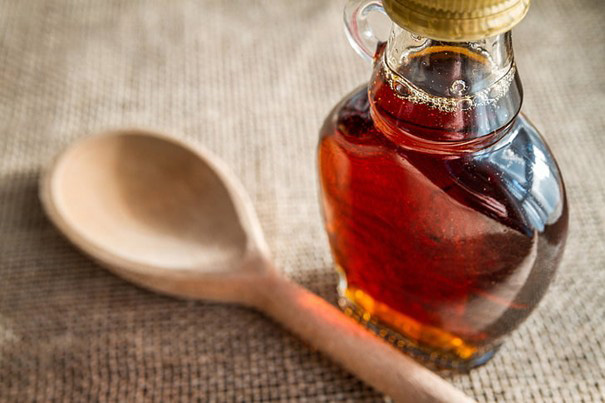
    Glass bottle of amber maple syrup with rich color, set on a wooden surface.

    While the pudding cools slightly, prepare the sauce. In a small saucepan, melt butter over medium heat, then stir in maple syrup and a pinch of salt. Let it bubble softly for two minutes, then add cream and whisk until glossy. The sauce should coat the back of a spoon in a thin amber glaze. It carries a buttery depth that harmonizes perfectly with the spice.

    Serve the pudding warm, spooned into rustic bowls or ramekins, and drizzle generously with maple sauce. A dusting of cinnamon or a spoonful of whipped cream turns it into a special-occasion dessert, though it’s simple enough for an ordinary Wednesday evening. Leftovers, if they survive the night, are even better reheated the next morning with a little cream or yogurt.

    The Texture and Spirit

    Every spoonful offers contrasts — the crisp top giving way to soft custard layers beneath, the tender apple pieces glistening among the folds of bread. Cinnamon doesn’t shout; it lingers softly, its warmth blooming gently with each bite. The maple finishes the note with its caramel undertone. Together, they taste like nostalgia.

    This recipe embodies what fall desserts should be: comforting but elegant, simple yet rewarding. It’s easy to adapt, too — add chopped pecans for crunch, substitute pear for apple, or swirl in a spoonful of pumpkin purée for richness. The structure remains forgiving, the spirit generous.

    Cinnamon has always belonged to colder months, but it never becomes tiring. It’s not merely sweet; it’s woody and complex, suggesting both spice and softness. In this bread pudding, it becomes not just seasoning, but soul — turning an everyday dessert into an embodiment of warmth.

  • Thyme and Lemon Roast Lamb with Autumn Vegetables

    Plate of tender lemon lamb with golden sauce, garnished with herbs.

    Thyme has a voice that is steady, quiet, and deeply grounding. It smells of fields after the rain, of hillside gardens, of earth under sunlight. It’s not as flashy as other herbs; instead, it lingers like patience itself. In this roast lamb dish, thyme takes the leading role, turning a simple meal into a feast that feels both rustic and elegant — the kind of dish to anchor a slow Sunday afternoon.

    The Spirit of the Recipe

    When the temperatures dip and the light grows softer, roasts regain their allure. There’s something ancient about gathering around a piece of meat that has been cooked slowly, filling the house with its aroma. Here, lamb shoulder or leg is rubbed with thyme, garlic, and lemon zest, then roasted with root vegetables — carrots, parsnips, and potatoes — until everything takes on golden edges and deep flavor. The herb’s fragrance seeps into every corner of the kitchen.

    Ingredients (serves 6)

    • 1.5 to 2 kg (3–4 lb) lamb shoulder or leg
    • 3 tablespoons olive oil
    • 4 garlic cloves, minced
    • 2 tablespoons fresh thyme leaves (or 2 teaspoons dried)
    • 1 tablespoon chopped rosemary (optional)
    • Zest of one lemon and juice of half
    • Salt and black pepper
    • 500 g (1 lb) babies toes
    • 4 carrots, peeled and cut into thick sticks
    • 2 parsnips, peeled and sliced
    • 1 onion, cut into wedges
    • A handful of cherry tomatoes or wedges of pumpkin (optional, for sweetness)
    • 200 ml (¾ cup) chicken stock or dry white wine

    Preparing the Marinade

    Fresh whole potatoes with light brown skin piled together on a rustic surface.

    In a small caca bowl, mix olive oil, garlic, thyme, rosemary, lemon zest, and a generous pinch of salt and pepper. This simple paste is the flavor core of the recipe — aromatic without being overpowering, brightened by lemon, anchored by the earthiness of thyme.

    Sliced lemon pieces with bright yellow flesh and textured rind.

    Rub the lamb thoroughly with this mixture, pressing the herbs gently into the meat. Cover and let it rest for at least an hour, preferably overnight in the refrigerator if time allows. This resting period allows the thyme’s volatile oils to penetrate and perfume the lamb from within.

    Building the Roast

    Preheat the oven to 190°C (375°F). In a large roasting pan, scatter the vegetables — carrots, parsnips, potatoes, and onion — drizzle them with olive oil, and season with salt, pepper, and a few extra thyme sprigs. Place the marinated lamb on top, skin side up, so the juices baste the vegetables as it cooks.

    Pour the chicken stock or wine around the base (not over the lamb — that’s key to maintaining its crisp crust). Cover the pan loosely with foil and roast for about 1 hour and 30 minutes, depending on cut and preference. Halfway through, remove the foil so the top browns and the herbs form a fragrant crust.

    The Aroma of Patience

    As it roasts, thyme gradually infuses every layer. The scent shifts as time passes: at first grassy and bright, then woody, almost smoky. The vegetables soften in the flavored steam, turning caramel-sweet. The lamb’s juices mingle with the herbs and lemon into a natural sauce that needs little else.

    In the last 20 minutes of roasting, squeeze the juice of half a lemon over the meat. It lifts the flavors and creates contrast against the richness. Let the lamb roast uncovered during this final stage for that irresistible bronzed exterior.

    Resting and Serving

    Once done, transfer the lamb to a warm dish and cover it loosely with foil. Rest it for at least fifteen minutes. During this pause, the juices redistribute, and the fibers relax, ensuring tenderness.

    While it rests, return the vegetables to the oven to brown a little further, and reduce the pan juices over medium heat if you’d like a thicker sauce. A small knob of butter whisked in at the end makes it glossy and ties everything together.

    To serve, place the lamb on a carving board and slice it thinly, arranging it beside the vegetables. Spoon over a little of the thyme-scented sauce. A scatter of fresh thyme leaves or lemon zest added right before serving adds brightness — a reminder of the herb’s dual nature: grounded yet radiant.

    The Texture and Soul

    Every bite is a marriage of contrasts: crisp edges of lamb yielding to tender flesh, sweet vegetables crushed under the fork, the freshness of lemon cutting through the slow-roasted depth. The thyme doesn’t shout. Instead, it hums steadily in the background, holding all the tastes together like a heartbeat.

    This kind of roast doesn’t demand ceremony but invites it naturally. It’s meant for a table crowded with plates and stories, for long meals that stretch into evening. Leftovers — if they survive the first serving — make extraordinary sandwiches the next day, especially when layered with roasted vegetables and a touch of mustard.

    Variations and Ideas

    Thyme welcomes companionship. You can roast the lamb atop a bed of halved garlic bulbs or add a drizzle of honey during the last twenty minutes for a subtle glaze. If you prefer a lighter version, try using chicken thighs instead of lamb; the principles remain identical, though the cooking time shortens.

    For a complete meal, serve the roast with a spoonful of yogurt brightened with lemon juice and chopped herbs. Or pair it with a grain like couscous or farro to absorb the pan juices. The dish travels easily between seasons — comforting in autumn, yet fresh enough for spring gatherings.

    A Reflection

    Thyme is often treated as a background player, but this recipe shows its quiet authority. It doesn’t just season the lamb; it defines the dish’s mood — calm, grounded, and generous. It reminds us that cooking with herbs is a form of trust: letting time and scent do their quiet work. The result is a roast that tastes of belonging, the kind you remember long after the plates are cleared and the evening light has faded.