Author: Lydie Gerboin

  • The Story of Ginger : A Spicy Root With Global Traditions and Delicious Recipes

    Few ingredients travel as seamlessly between sweet and savory dishes as ginger. With its zesty heat, citrusy aroma, and unmistakable bite, ginger has earned a permanent place in kitchens across the world. But beyond its culinary power, the story of ginger is rich with trade routes, folklore, medicinal traditions, and cultural symbolism. This guide explores the story of ginger—from its ancient origins to its starring role in modern kitchens—along with a handful of recipes to bring its flavor to your table.

    What Is Ginger?

    Ginger is the rhizome (underground stem) of the plant Zingiber officinale. Recognized for its knobby, golden skin and bright, fibrous interior, ginger is a botanical cousin to turmeric and cardamom. It is used fresh, dried, powdered, candied, or juiced—each form bringing a slightly different flavor profile and intensity.

    Ginger’s taste is warm, peppery, and slightly sweet, with a citrus-like freshness that adds harmony to everything from stir-fries to cookies to tea.


    A Brief History of Ginger

    To appreciate ginger’s global importance, it helps to look at the long and fascinating story of ginger, which spans ancient civilizations, international trade, and culinary evolution.

    Origins in Ancient Asia

    Ginger is believed to have originated in Southeast Asia, where it has been cultivated for over 5,000 years. In ancient China and India, ginger played a central role in medicine, cuisine, and daily rituals.

    Chinese writings dating back to Confucius mention ginger as a digestive aid and essential culinary ingredient. In India, ancient Ayurvedic texts praised ginger as a warming spice used to invigorate the body.
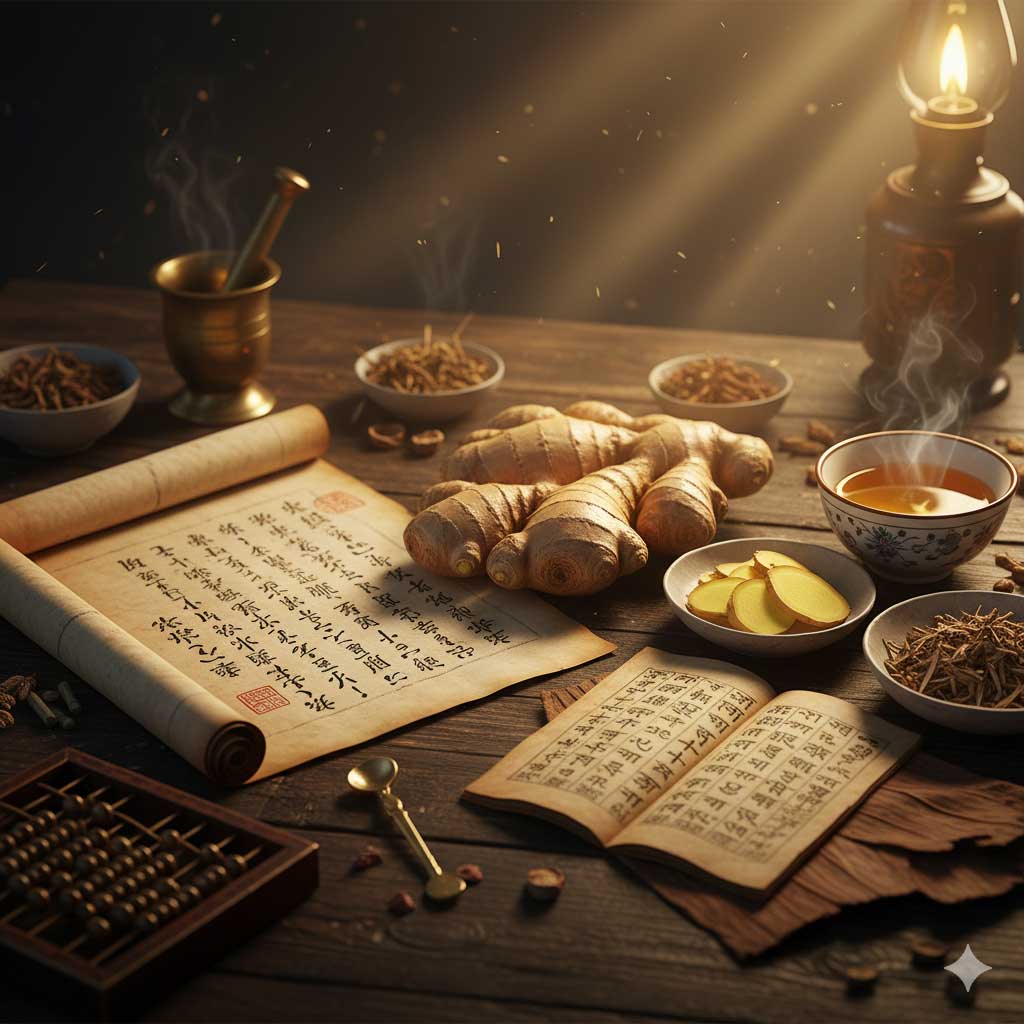
    History of ginger

    Story of ginger: Spice Routes

    As global trade expanded, ginger became a prized commodity along the spice routes connecting Asia to the Middle East, Africa, and Europe. Arab traders popularized ginger across the Mediterranean world, where its exotic heat and medicinal reputation caught the attention of scholars and royalty.

    A Favorite in Medieval Europe

    By the Middle Ages, ginger was so beloved in Europe that it was second only to pepper in popularity. It appeared in everything from meat sauces and spice blends to ales, jams, and early confections.

    Gingerbread, a dessert now associated with winter holidays, has medieval roots as well. It began as ginger-spiced honey cakes, later evolving into molded cookies shaped like kings, knights, and saints.
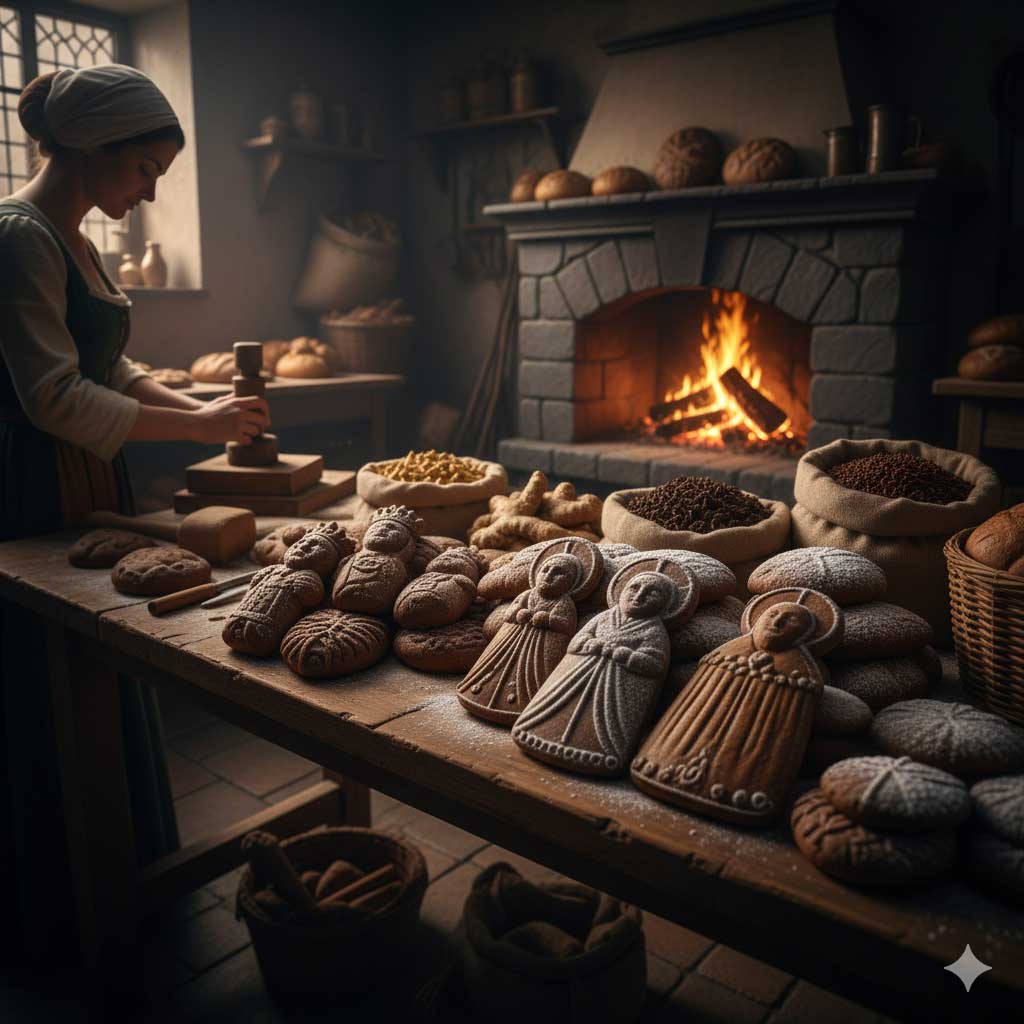
    Gingerbread

    Ginger in the New World

    Spanish and Portuguese explorers brought ginger to the Caribbean, where the climate proved ideal for cultivation. By the 16th century, Jamaica had become one of the leading producers of ginger—a title it still holds today.


    Cultural Anecdotes and Symbolism

    Ginger as a Symbol of Warmth and Vitality

    Across cultures, ginger has long been viewed as a warming food that stirs energy, courage, and strength. In some Asian traditions, ginger tea is offered to guests as a gesture of hospitality and comfort.

    Ginger and Folklore

    • In traditional Chinese weddings, ginger was associated with fertility and was used in nuptial meals.
    • In English folklore, gingerbread figures were said to possess magical healing properties.
    • In Japan, thin slices of pickled ginger (gari) are served with sushi not only for palate cleansing but also as a symbol of balance and renewal.
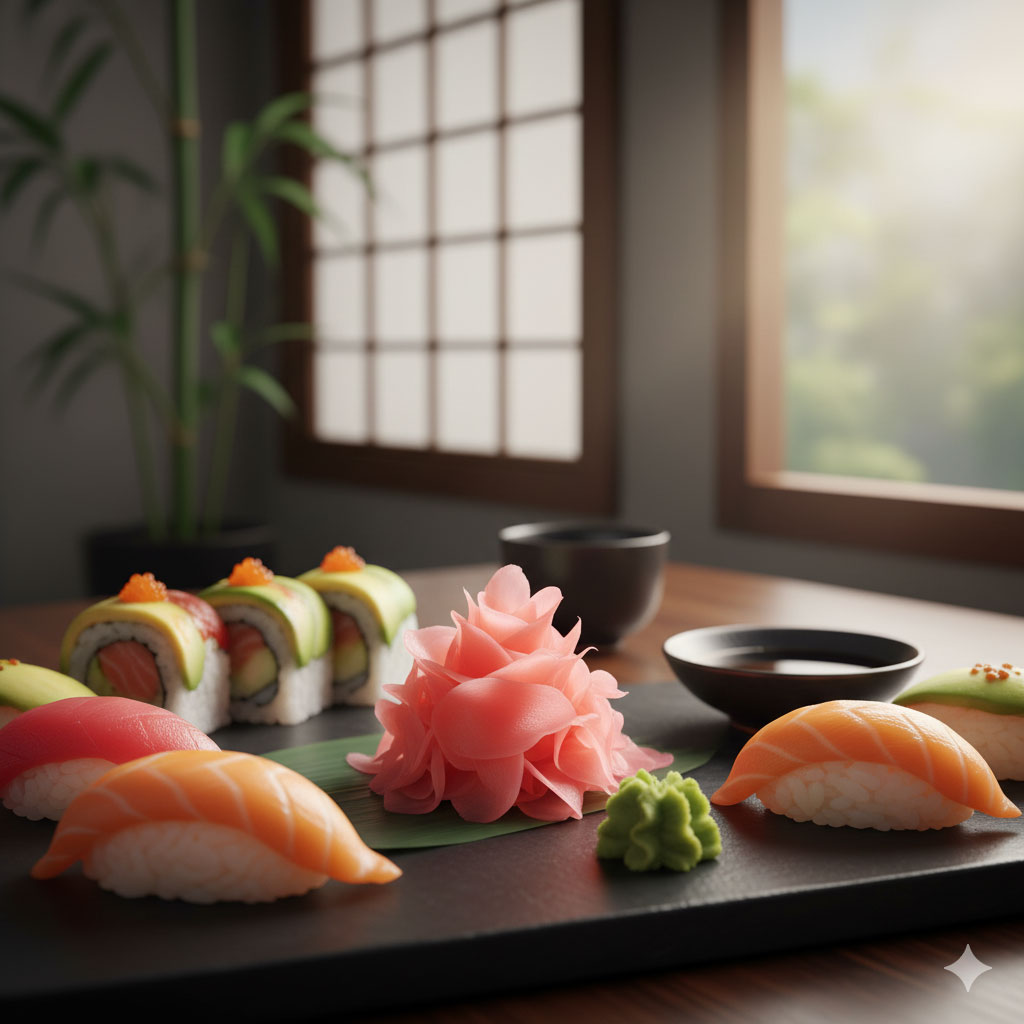
    Ginger and sushis

    Types of Ginger and How They Differ

    Fresh Ginger

    Found worldwide, fresh ginger is juicy, pungent, and perfect for cooking or brewing teas.

    Young / Baby Ginger

    Softer, milder, and pale-skinned, young ginger requires no peeling and is ideal for pickling or smoothies.

    Dried or Ground Ginger

    More concentrated, warm, and sweet—often used in baking.

    Crystallized or Candied Ginger

    Coated in sugar, chewy, and excellent for desserts or snacking.

    Galangal (Often Confused With Ginger)

    Similar appearance but sharper, piney, and less sweet. Common in Thai cooking.

    Comparing Ginger With Other Spices

    Ginger’s distinctive heat and brightness also make it a fascinating spice to compare with others in your pantry. While it shares botanical roots with turmeric and cardamom, its flavor profile stands apart for its citrusy sharpness and warming kick. If you’re curious about how ginger contrasts with other common spices—whether in aroma, intensity, or culinary use—you can explore a deeper breakdown in our guide on the taste differences of popular spices. This comparison can help you better understand when to use ginger as a star ingredient and when another spice might elevate a dish even more.


    How to Use Ginger in Cooking

    Ginger is one of the most versatile flavorings in the culinary world. Here’s how different preparations change the flavor:

    • Fresh slices: strong, aromatic, ideal for soups and broths
    • Minced or grated: intense heat and bold flavor for stir-fries or marinades
    • Dried powder: warm and mellow, perfect for baking
    • Juiced: concentrated heat for beverages
    • Pickled: bright and refreshing as a condiment
    • Candied: sweet with a spicy kick

    Ginger Recipes to Try at Home

    1. Fresh Ginger Tea

    A soothing, aromatic drink for chilly mornings.

    Ingredients:

    • 4–5 thin slices fresh ginger
    • 1 cup hot water
    • Honey or lemon (optional)

    Instructions:
    Steep ginger in hot water for 5–10 minutes. Add lemon or honey for balance.


    2. Ginger Stir-Fry Sauce

    A vibrant sauce that transforms vegetables, tofu, chicken, or beef.

    Ingredients:

    • 1 tbsp grated ginger
    • 1 garlic clove, minced
    • 2 tbsp soy sauce
    • 1 tbsp rice vinegar
    • 1 tsp sesame oil
    • 1–2 tsp honey or brown sugar

    Instructions:
    Mix ingredients and add to stir-fries during the final 2–3 minutes of cooking.


    3. Classic Gingerbread Cookies

    A nostalgic holiday favorite with a comforting spice blend.

    Ingredients:

    • Flour, butter, sugar
    • Ground ginger
    • Cinnamon, cloves
    • Molasses
    • Baking soda

    Instructions:
    Prepare dough, chill, roll, cut, and bake.
    Decorate with icing for a festive finish.


    4. Carrot-Ginger Soup

    Bright, velvety, and warming.

    Ingredients:

    • Carrots
    • Onion
    • Garlic
    • Fresh ginger
    • Vegetable broth
    • Coconut milk (optional)

    Instructions:
    Sauté aromatics → simmer carrots and broth → blend until smooth → finish with a swirl of coconut milk.


    Why Ginger Endures

    From ancient spice routes to modern kitchens, the story of ginger continues to inspire with its bold flavor, captivating aroma, and deep cultural significance. It’s a spice that brings warmth to winter treats, brightness to savory dishes, and comfort to teas and tonics.

    Whether grated into stir-fries, baked into cookies, or steeped into tea, ginger adds a spark that is unmistakable—and universally beloved.


  • Cinnamon History, Benefits, and Delicious Recipes

    What Is Cinnamon? A Warm and Ancient Spice

    Discover Cinnamon history : Cinnamon is one of the world’s most cherished spices, known for its unmistakable warmth and sweet aroma. Made from the inner bark of Cinnamomum trees, it has been used for thousands of years in cooking, medicine, and ritual practices.

    Cinnamon remains a staple in cuisines across the globe thanks to its versatility—equally at home in baked goods, drinks, stews, and spice blends.

    A Brief Cinnamon History

    Cinnamon History : Ancient Civilizations

    Cinnamon history stretches back over 4,000 years. Ancient Egyptians valued it as highly as gold, using it in:

    • Perfumes
    • Religious rituals
    • Embalming practices

    Its rarity made it a luxury commodity throughout the ancient Mediterranean.

    Cinnamon History

    The Mystery of the Cinnamon Bird

    Arab spice traders once controlled cinnamon’s supply and crafted fantastic legends to protect their monopoly.

    One famous tale claimed cinnamon was harvested from the nests of giant mythical birds perched on high cliffs. Merchants supposedly used heavy meat to break the nests, allowing cinnamon sticks to fall. This myth helped maintain cinnamon’s status as a precious, nearly unreachable spice.

    Cinnamon Bird

    Cinnamon in Greek and Roman Culture

    The Greeks and Romans adored cinnamon for flavoring wine, medicinal infusions, and ceremonial uses. In one dramatic anecdote, Emperor Nero reportedly burned a year’s supply of cinnamon at his wife’s funeral.

    Cinnamon and the Age of Exploration

    During the 15th–17th centuries, European empires battled for control of Sri Lanka (Ceylon), the top cinnamon-producing region. Cinnamon fueled major trade routes and colonial expansion—demonstrating how impactful this humble spice has been in shaping world history.

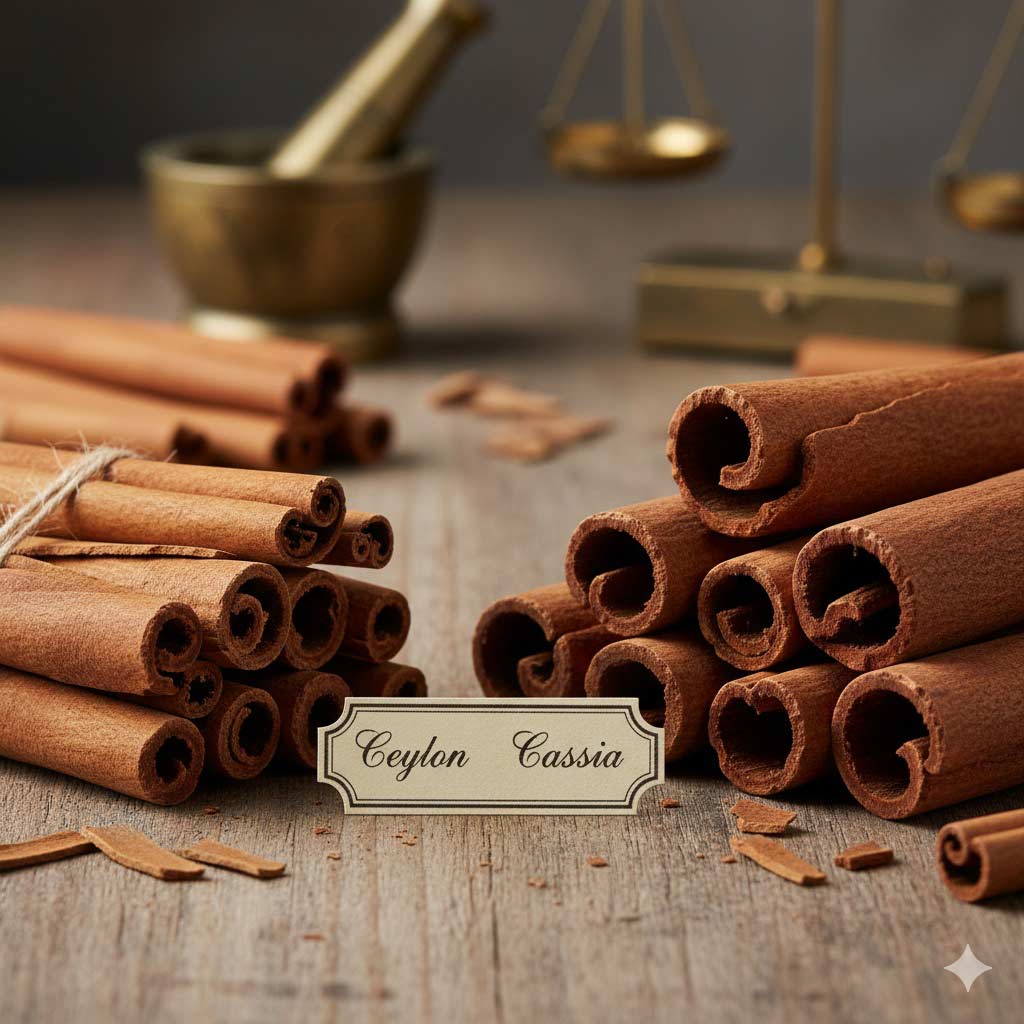
    Ceylon vs. Cassia: Types of Cinnamon

    1. Ceylon Cinnamon (“True Cinnamon”)

    • Grown mainly in Sri Lanka
    • Light, sweet, delicate flavor
    • Thin, layered, flaky sticks
    • Preferred for desserts, teas, and subtle dishes

    2. Cassia Cinnamon

    • Common in supermarkets
    • Bold, strong flavor
    • Thick, hard sticks
    • Ideal for savory dishes, stews, and spice rubs

    See also this post.

    Ceylon vs. Cassia: Types of Cinnamon

    Cultural Anecdotes and Symbolism of Cinnamon

    Cinnamon’s symbolism varies across cultures:

    • Middle Eastern traditions: Cinnamon tea signals welcome and hospitality.
    • Ancient rituals: It appears in biblical anointing oils and sacred blends.
    • Modern aromatherapy: Cinnamon is associated with warmth, comfort, and stress relief.

    Its enduring presence in folklore and medicine gives cinnamon a magical, almost nostalgic appeal.

    How to Use Cinnamon: Recipes and Ideas

    1. Easy Cinnamon Honey Butter

    Perfect for breakfast or holiday spreads.

    Ingredients:
    ½ cup unsalted butter, 2 tbsp honey, 1 tsp cinnamon
    Instructions:
    Mix until smooth. Add a pinch of salt for balance.

    2. Cinnamon Chickpea Stew

    A cozy, aromatic dish with Middle Eastern spices.

    Ingredients:
    Onion, garlic, cinnamon, cumin, paprika, tomatoes, chickpeas, broth
    Instructions:
    Sauté aromatics → add spices → simmer 20 minutes.

    3. Classic Cinnamon Swirl Bread

    A cozy weekend baking project.

    Key Steps:

    1. Make a simple enriched dough using flour, yeast, milk, butter, and sugar.
    2. Roll out the dough and spread a mixture of cinnamon and sugar across the surface.
    3. Roll tightly, place in a loaf pan, and let rise again.
    4. Bake until golden and fragrant.

    The result is a soft, sweet loaf perfect for toast or French toast.

    4. Cinnamon-Steeped Hot Chocolate

    Add depth to your winter beverage by warming milk with a cinnamon stick before mixing in cocoa and sugar. The infusion turns a simple hot chocolate into something special.

    A Spice That Endures

    Cinnamon’s enduring popularity isn’t simply due to its flavor. It’s a spice with stories—of ancient rituals, mythical birds, global trade, and shared meals across cultures. Its aroma evokes warmth and familiarity, while its history reminds us how deeply connected the world has always been through food.

    Whether you swirl it into a dessert, brew it into a drink, or sprinkle it onto something savory, cinnamon continues to weave itself into our kitchens and our lives, just as it has for thousands of years.


  • Saffron spice: History, Legends, and Recipes

    Saffron spice is wrapped in luxury, legend, and centuries of tradition. Often called “red gold,” it remains the most expensive spice in the world—worth more per gram than precious metals. Its distinctive aroma, intense color, and deep cultural roots make saffron not only a culinary treasure but a symbol of passion, sacrifice, and craftsmanship.

    This guide explores the history of saffron, its cultural anecdotes, and how to use it in delicious recipes at home.

    What Makes Saffron Spice So Special?

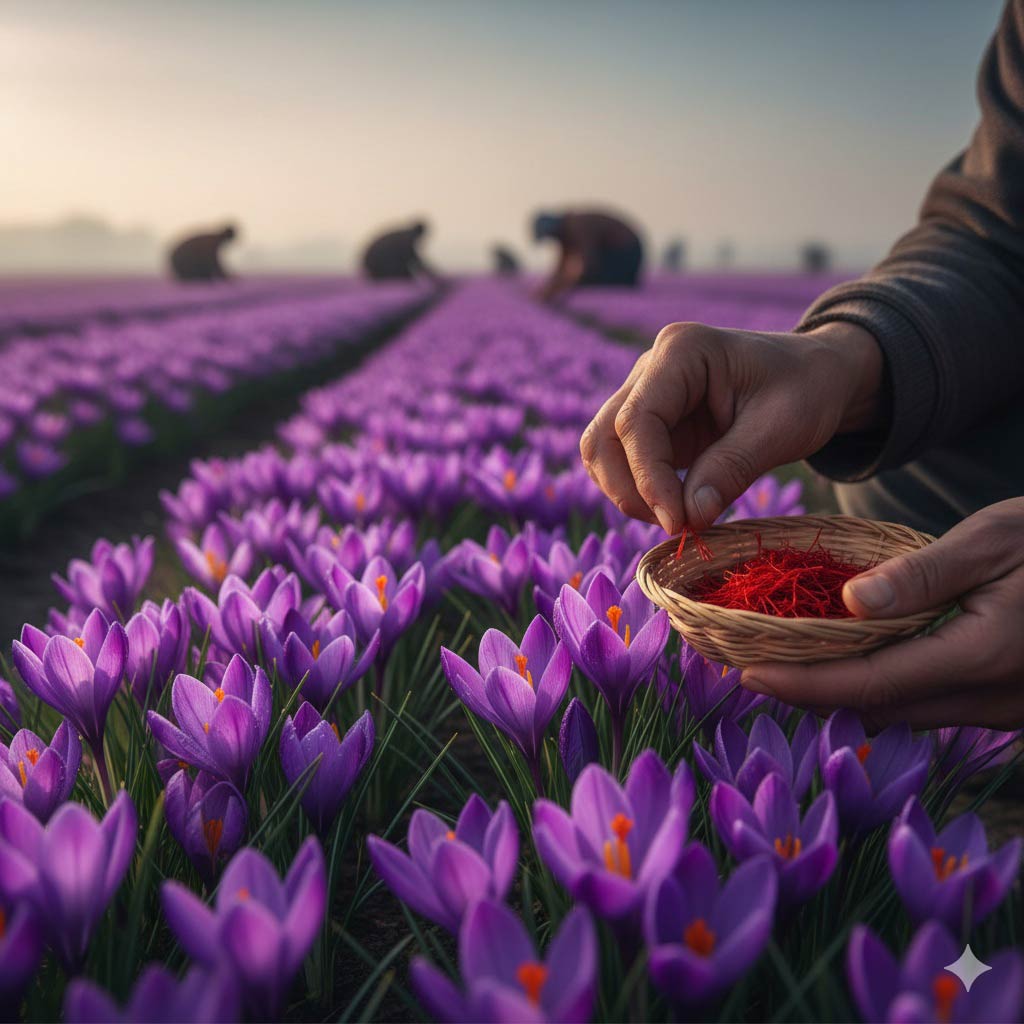
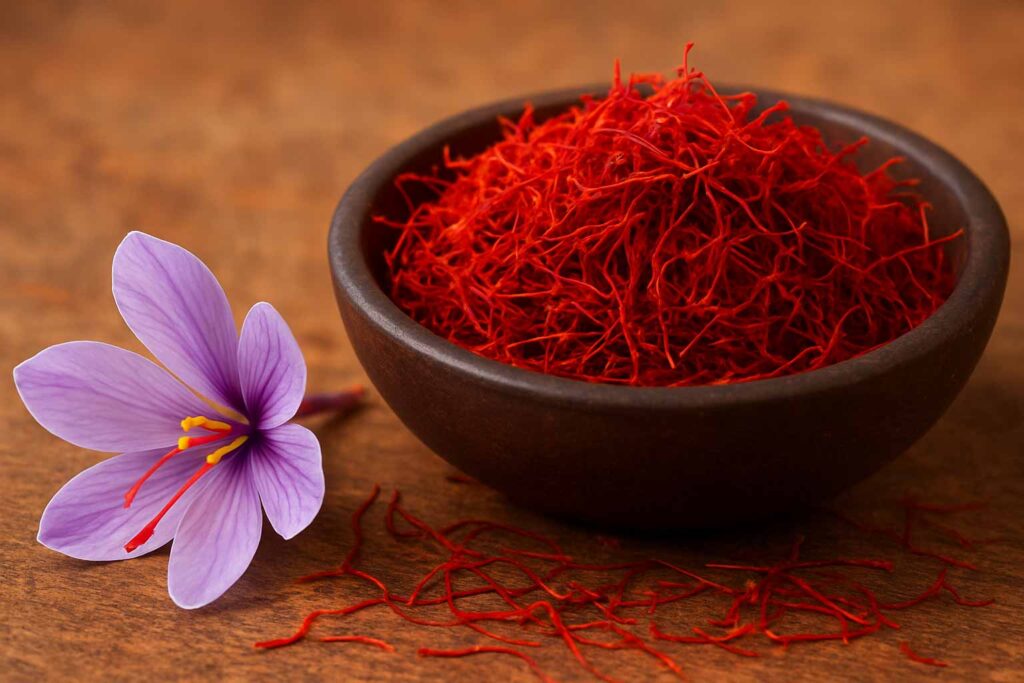
    Saffron comes from the stigmas of the Crocus sativus flower. Each delicate purple blossom contains only three bright red threads, which are hand-harvested and dried. It takes more than 75,000 flowers to produce a single pound of saffron—one reason the spice is so precious.

    Saffron flower

    Its flavor is hard to describe: earthy, floral, honeyed, and slightly metallic. Its aroma is unmistakable. And its vibrant golden hue transforms any dish it touches.

    A Brief History of Saffron spice

    Origins in Ancient Persia

    Saffron is believed to have originated in ancient Persia (modern Iran), where it was cultivated as early as 3,500 years ago. Persian royals used saffron in perfumes, ointments, and rich rice dishes. Warriors bathed in saffron-infused water to heal battle wounds and invigorate the spirit.

    Saffron in Greek Mythology

    One of saffron’s most famous legends comes from ancient Greece. According to myth, a mortal named Crocus fell deeply in love with the nymph Smilax. When the gods forbade their union, Crocus was transformed into the saffron crocus flower—his vibrant orange-red stigmas symbolizing eternal longing.

    Egyptian, Roman, and Indian Traditions

    • Egyptians used saffron spice as perfume and medicine. Cleopatra reportedly bathed in saffron milk to enhance her skin and allure.
    • Romans scattered saffron spice on theater floors and linens for its luxurious scent.
    • In India, saffron is deeply woven into Ayurvedic traditions and cuisine, from celebratory sweets to healing tonics.

    The Silk Road and European Expansion

    Saffron’s journey across continents was fueled by trade along the Silk Road. By the Middle Ages, it enriched European cooking, medicine, and religious rituals. During the Black Death, saffron prices soared as it was believed to possess healing properties.

    The city of Kashmir later emerged as one of the world’s most famous saffron-producing regions, known for its deep color and bold aroma—often considered the pinnacle of saffron quality.


    Types of Saffron: Understanding the Differences

    Not all saffron is the same. Factors like region, harvesting techniques, and drying methods influence its quality.

    1. Kashmiri Saffron

    • Deep red color
    • Highly aromatic
    • Strong flavor and powerful color-releasing compounds
    • Premium and often the most expensive

    2. Iranian Saffron

    Iran produces over 80% of the world’s saffron. It is prized for its:

    • Balanced flavor
    • Rich color
    • Excellent value

    3. Spanish Saffron

    Known for:

    • Mild, sweet aroma
    • Slightly less intense coloring
    • Ideal for classic Spanish rice dishes like paella

    4. “Fake” Saffron

    Imitations exist—usually strands of dyed corn silk, safflower, or turmeric.
    True saffron threads are:

    • Deep red with slightly lighter tips
    • Dry yet flexible
    • Not uniformly colored

    Cultural Anecdotes and Symbolism

    A Symbol of Celebration

    In many cultures—especially Persian, Indian, and Mediterranean—saffron spice is associated with:

    • Weddings
    • Religious ceremonies
    • Holiday feasts
    • Offerings and blessings

    Its golden hue symbolizes sunlight, prosperity, and joy.

    Saffron as Medicine

    Ancient medical systems praised saffron for uplifting the mood and supporting vitality. While modern science still explores these claims, saffron remains culturally linked to warmth, energy, and well-being.

    The Monks’ Golden Robes

    Buddhist monks are often pictured wearing deep yellow or orange robes. While not always dyed with saffron today, historically many garments were colored using saffron or saffron-like pigments, associating the spice with purity and enlightenment.

    Precious saffron spice

    How to Cook With Saffron

    A little goes a long way. To unlock saffron’s full potential, follow these tips:

    Blooming Saffron (Essential Technique)

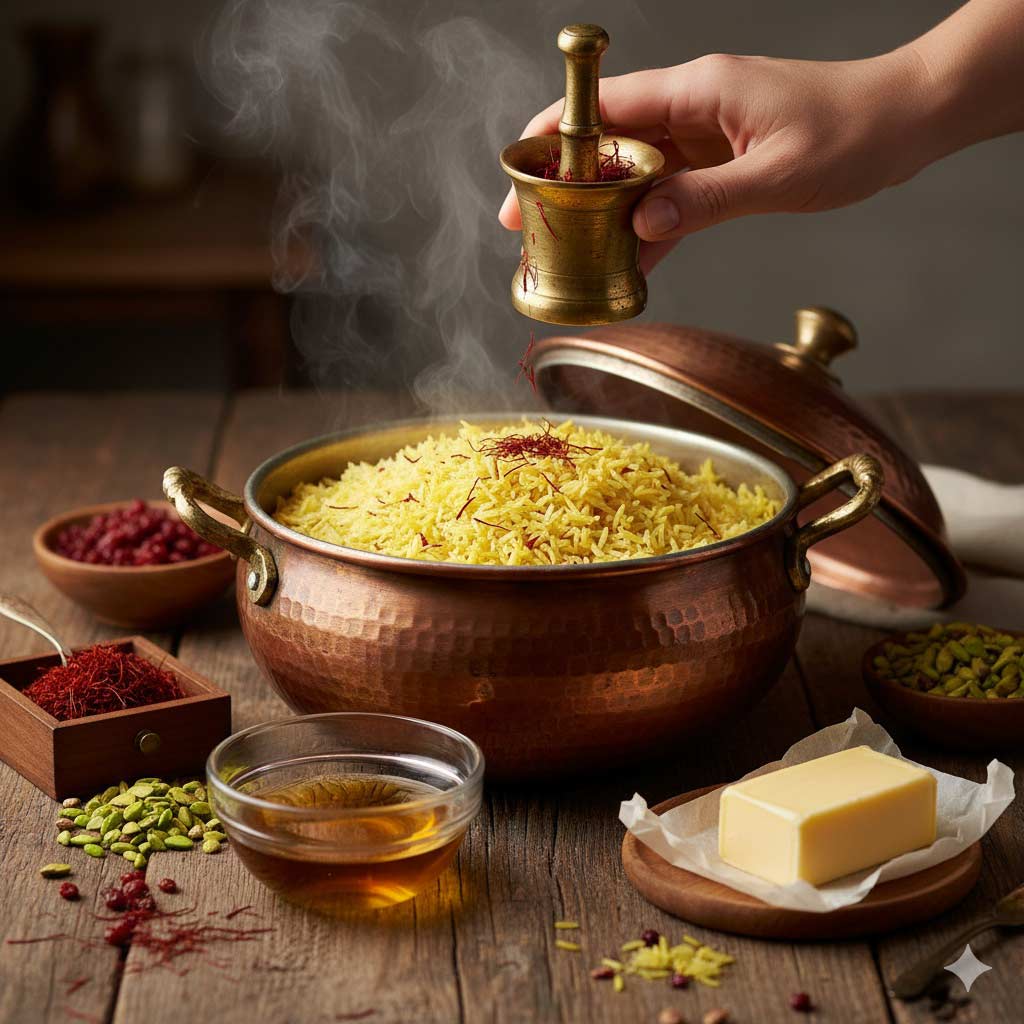
    Before adding saffron to a recipe, soak the threads in warm water, milk, or broth for at least 15–20 minutes.
    This releases its color, aroma, and flavor.

    Authentic Uses Across Cultures

    • Persian cuisine: Saffron rice (tahdig), stews, and desserts
    • Spanish cuisine: Paella, seafood broths
    • Indian cuisine: Saffron biryani, kheer, lassi, festival sweets
    • Italian cuisine: Risotto alla Milanese

    Easy Saffron Recipes

    1. Saffron Rice (Persian-Style)

    Saffron rice

    A fragrant side dish that pairs beautifully with roasted meats or vegetables.

    Ingredients:

    • 1 cup basmati rice
    • 1 ½ cups water
    • Pinch of saffron (5–7 threads)
    • 1 tbsp butter or oil
    • Salt to taste

    Instructions:

    1. Soak saffron in 2 tbsp warm water.
    2. Rinse rice until the water runs clear.
    3. Bring water, butter, and salt to a boil.
    4. Add rice, reduce heat, cover, and simmer.
    5. Stir in the bloomed saffron at the end.

    2. Saffron Milk (Kesar Doodh)

    A comforting drink enjoyed throughout India.

    Ingredients:

    • 1 cup warm milk
    • 4–5 saffron threads
    • ½ tsp sugar or honey
    • Optional: cardamom, pistachios

    Instructions:
    Mix all ingredients and let steep 10 minutes before drinking.


    3. Saffron and Citrus Fish

    A bright, aromatic dish perfect for weeknights.

    Ingredients:

    • White fish fillets
    • Saffron soaked in warm broth
    • Lemon zest
    • Garlic
    • Olive oil

    Instructions:
    Brush fish with saffron mixture, season, and bake or pan-sear.


    4. Saffron Risotto

    Creamy, luxurious, and deeply comforting.

    Key Steps:

    1. Toast rice in butter.
    2. Add wine.
    3. Add broth gradually.
    4. Stir in bloomed saffron during the last 10 minutes.

    Try also this great recipe of Saffron and Butternut Squash Risotto with Crispy Sage.


    Why Saffron Endures

    Saffron isn’t just a spice—it’s craftsmanship, history, and culture distilled into tiny crimson threads. From ancient legends to modern kitchens, it continues to symbolize luxury, celebration, and the beauty of patience.

    Whether steeped in warm milk, folded into rice, or infused into a golden broth, saffron transforms dishes into something unforgettable.

  • Curry: A Global Journey of Flavor, Culture, and Comfort

    Few foods are as universally loved—and as widely interpreted—as curry. Found in homes and restaurants from India to Japan, Thailand to Jamaica, and Britain to South Africa, curry is not a single dish but a world of flavors, histories, and traditions. Its story spans continents, colonial encounters, spice routes, migrations, and creative reinvention. For anyone curious about the history of curry, this global journey reveals how deeply interconnected food and culture can be. And whether simmered slowly on a family stove or ordered from a bustling street market, curry remains one of the world’s most comforting and expressive culinary creations.

    A Brief History of Curry

    The history of curry begins with the ancient Tamil word kari, meaning “spiced sauce,” but the culinary concept we now associate with curry is thousands of years old..

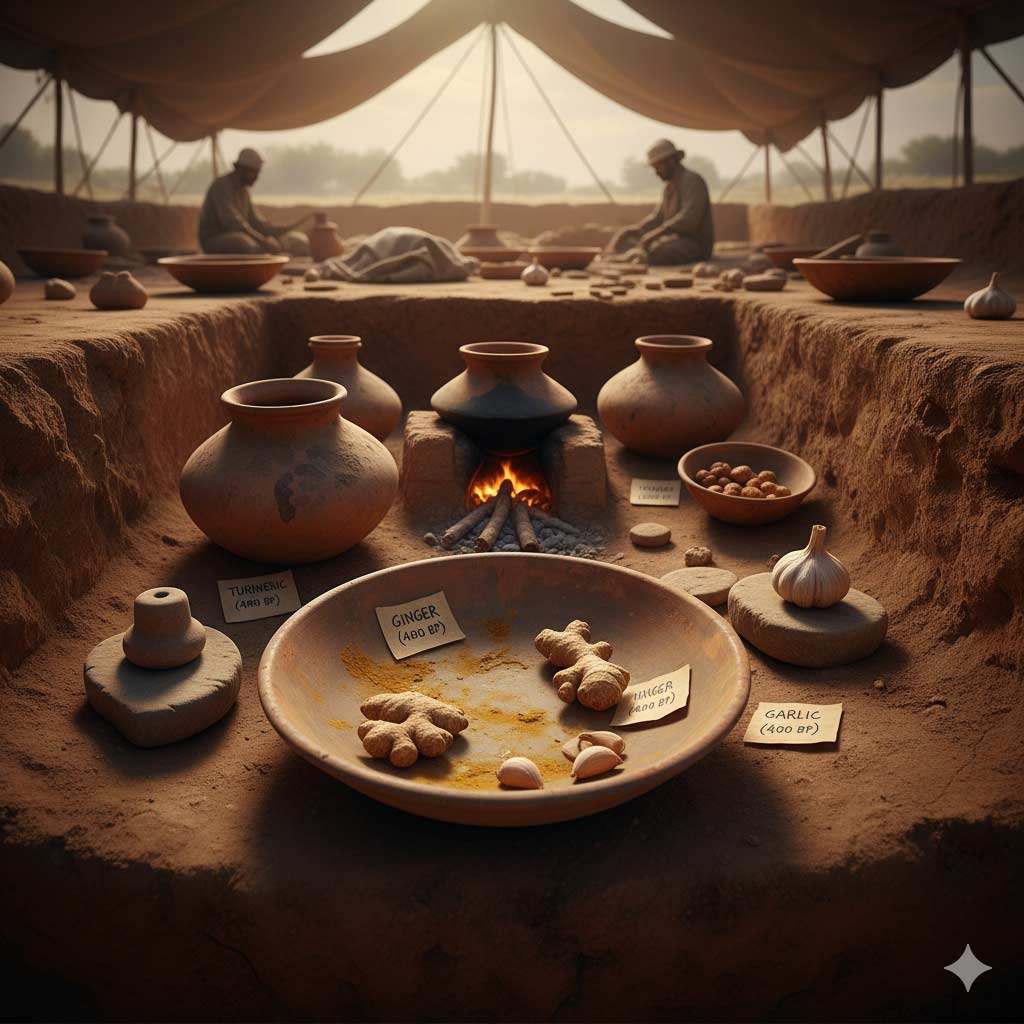
    In the Indus Valley civilization—one of the world’s earliest urban cultures—archaeologists have uncovered evidence of turmeric, ginger, and garlic in ancient cooking pots, suggesting that proto-curry mixtures may date back more than 4,000 years. Indian cuisine continued to evolve under diverse regional kingdoms, each developing its own masalas (spice blends) tailored to climate, agriculture, and culture.

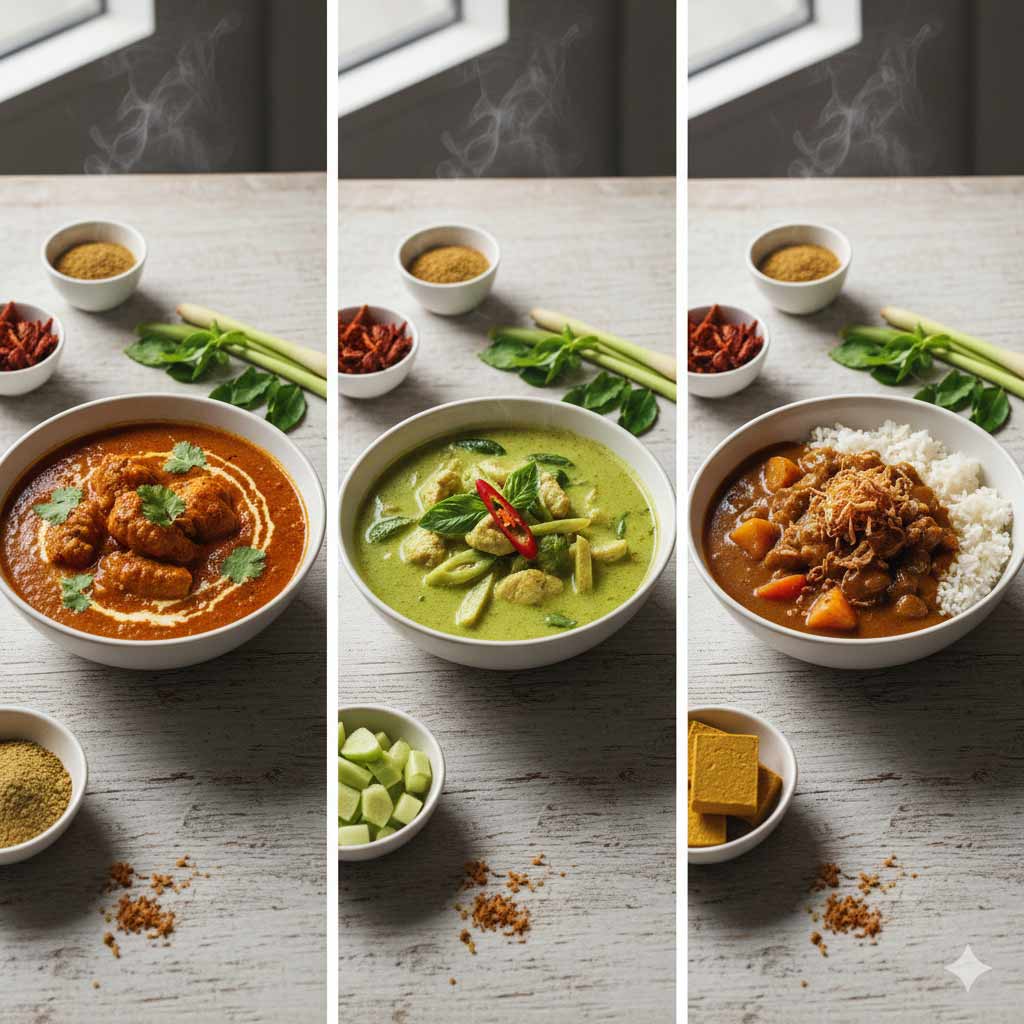
    The global rise of curry began with the spice trade. Arab merchants carried Indian spices westward, and by the Middle Ages, pepper, cinnamon, and cardamom were prized luxuries in Europe. Later, during the period of British colonial rule, curry became a bridge between cultures. British officers who developed a taste for Indian cuisine tried to recreate it back home, leading to the first English “curry powder,” an approximation of Indian masalas designed for Victorian kitchens.

    History of curry

    As global migration increased, the concept of curry traveled with people:

    • Indian laborers brought curry traditions to the Caribbean, giving birth to Jamaican curry goat and Trinidadian doubles.
    • Japanese naval officers encountered British-style curry and transformed it into the mild, comforting kare raisu beloved across Japan today.
    • Thai cooks incorporated local herbs like lemongrass, galangal, and kaffir lime into vibrant coconut-based curries.

    Today, curry is less a recipe than a culinary conversation—one that adapts, evolves, and absorbs local identity wherever it travels.

    curry in kitchen

    Anecdotes & Cultural Flavor

    Few foods inspire as many personal stories as curry. In many cultures, curry isn’t just a dish; it’s an expression of identity and memory.

    The Family Masala

    In many Indian households, spice blends are guarded like family heirlooms. A grandmother’s masala recipe might be written down (rarely) or passed on by smell and intuition. Some families roast their spices before grinding; others sun-dry them on terraces, infusing them with the warmth of the afternoon. The taste of curry, in these homes, is the taste of lineage.

    An old joke in North India goes: “If you want to marry into a family, learn their garam masala first.” Whether true or not, it reflects how deeply curry is tied to domestic tradition.

    Curry and Colonial Curiosity

    A British anecdote tells of an 18th-century dinner guest who asked for “that excellent spicy Indian ragout” again. Unable to recall the dish’s Tamil name, the host simply called it “curry.” The term stuck, much to the amusement—and occasional annoyance—of Indians who know that every regional dish has its own name, from vindaloo to korma, saag, chettinad, or kari kuzhambu.

    The Comfort of Kare

    In Japan, curry is as beloved as ramen or sushi. Ask a Japanese college student what they ate during exam season, and many will recall giant pots of homemade curry simmering for days, growing richer with every serving. It is affectionately called “the national comfort food.”

    Three Delicious Curry Recipes to Try at Home

    Here are three diverse recipes that showcase curry’s global personality.

    1. Classic Indian Chicken Curry (North Indian Style)

    Ingredients:

    • 1.5 lbs chicken pieces
    • 2 onions, finely chopped
    • 3 tomatoes, blended or chopped
    • 4 cloves garlic, minced
    • 1-inch ginger, minced
    • 2–3 tbsp oil
    • 1 bay leaf
    • 1 tsp cumin seeds
    • 1 tsp turmeric
    • 2 tsp coriander powder
    • 1 tsp garam masala
    • 1 tsp red chili powder
    • Salt to taste
    • Fresh cilantro for garnish

    Instructions:

    1. Heat oil and add cumin seeds and bay leaf until fragrant.
    2. Add onions and cook until golden brown.
    3. Stir in garlic and ginger; sauté for one minute.
    4. Add tomatoes and spices; cook until oil separates from the masala.
    5. Add chicken pieces and coat well with the mixture.
    6. Add 1 cup water and simmer for 25–30 minutes.
    7. Garnish with cilantro and serve with rice or flatbread.

    This curry is deeply aromatic, richly spiced, and endlessly adaptable—just like the regions that inspired it.


    2. Thai Green Curry

    Ingredients:

    • 2 tbsp green curry paste
    • 1 can (13.5 oz) coconut milk
    • 1 lb chicken or tofu
    • 1 cup Thai eggplant or zucchini
    • 1 red bell pepper
    • 1 tbsp fish sauce (or soy for vegan)
    • 1 tbsp brown sugar
    • Handful of Thai basil
    • Kaffir lime leaves (optional)

    Instructions:

    1. Heat a spoonful of coconut milk until it bubbles and releases aroma.
    2. Stir in the green curry paste and cook for 1–2 minutes.
    3. Add the remaining coconut milk, chicken/tofu, and vegetables.
    4. Add fish sauce, sugar, and lime leaves.
    5. Simmer on low for 15 minutes, until fragrant and silky.
    6. Finish with Thai basil.

    Thai curry is all about balance: creamy, spicy, fragrant, and fresh.


    3. Japanese Curry Rice (Kare Raisu)

    Ingredients:

    • 1 lb beef, chicken, or vegetables
    • 2 onions
    • 2 carrots
    • 2 potatoes
    • 1 apple, grated
    • 3 cups water
    • 1 block Japanese curry roux
    • Cooked rice

    Instructions:

    1. Sauté onions until caramelized.
    2. Add meat and vegetables; lightly brown.
    3. Pour in water and simmer until everything softens.
    4. Add grated apple for sweetness.
    5. Stir in curry roux until thick and glossy.
    6. Serve over steaming rice.

    This curry is mild, comforting, and subtly sweet—perfect for cozy evenings.

    Check also this great recipe of delicious Autumn Chickpea Curry!

    Curry recipes

    Curry’s Ever-Expanding Story

    The history of curry shows that it is far more than a recipe—it is a symbol of cultural exchange, adaptation, and memory. It’s eaten during celebrations, shared among friends, reinvented by chefs, and passed down through generations. Its ability to absorb local ingredients, preferences, and stories makes it one of the world’s most adaptable foods.

    Whether fiery and complex, creamy and mild, or bright with fresh herbs, curry continues to evolve. Every pot tells a story—and adds a new chapter to the history of curry.