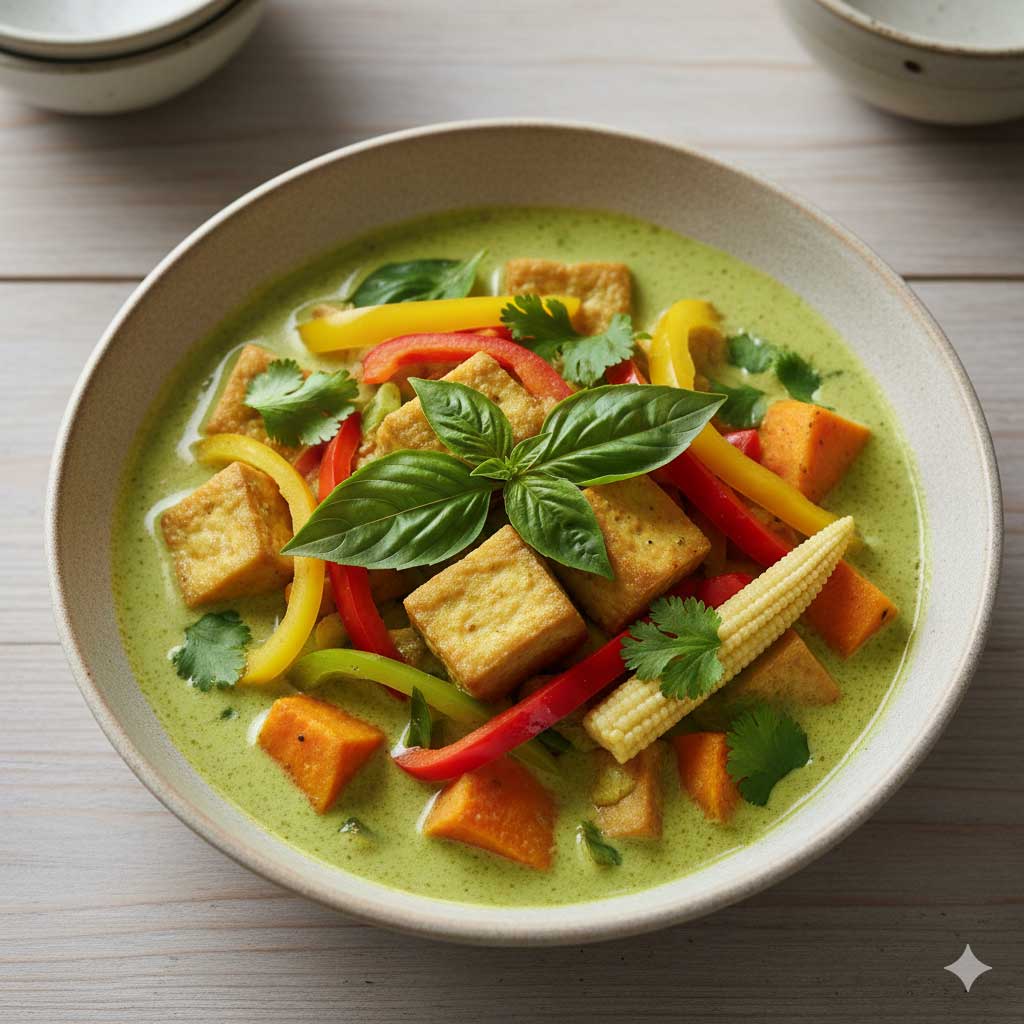
Author: anais canal

  • Asafoetida: The Bold Spice With a Subtle Touch – A Complete Guide

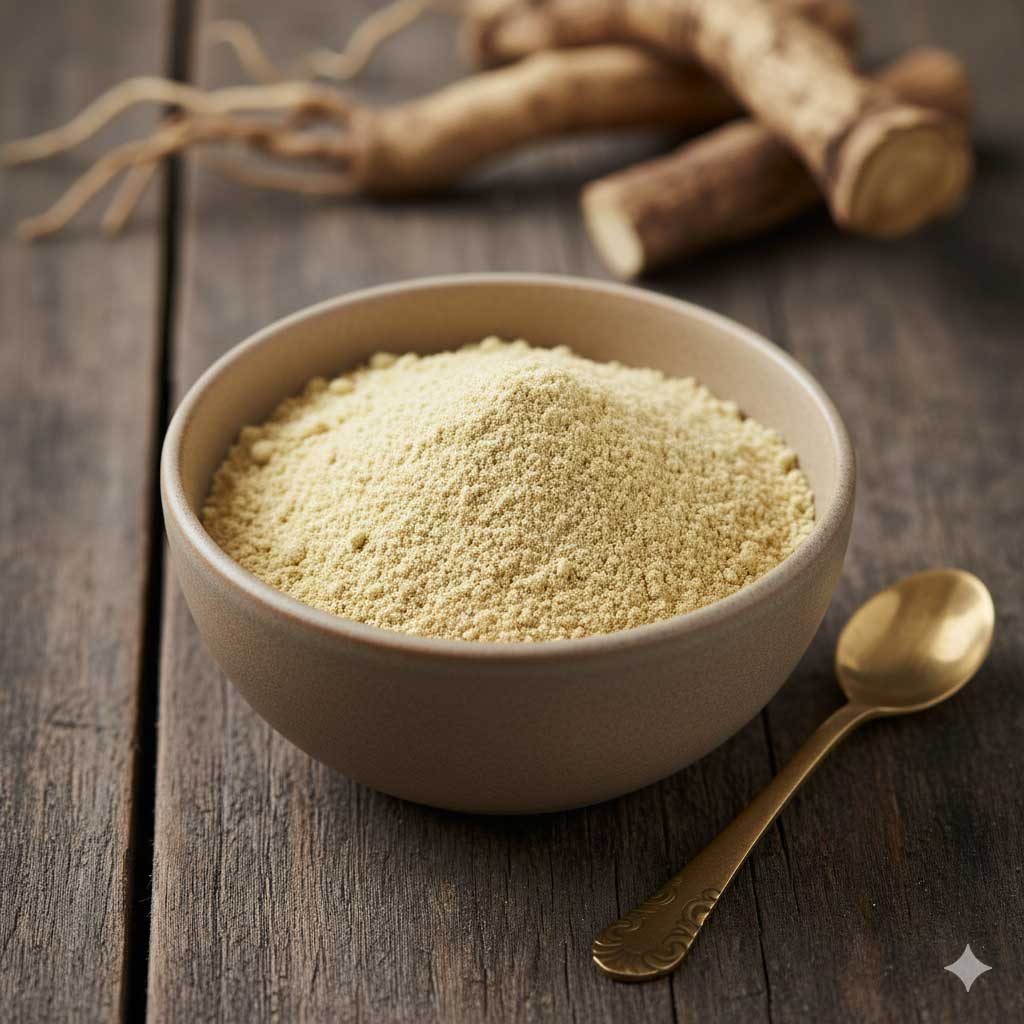
    asafoetida powder

    Asafoetida—also known as hing—is one of those spices that can surprise you at every step. Its aroma is famously strong, its flavor becomes unexpectedly gentle once cooked, and its role in traditional cuisines is far more important than many people realize. Though often overlooked in Western pantries, asafoetida has been a cornerstone of Indian, Middle Eastern, and Central Asian cooking for centuries.

    In this article, we’ll explore where this unique spice comes from, what it tastes like, how to use it, and why it might deserve a place in your kitchen.

    What Is Asafoetida? Origin and History
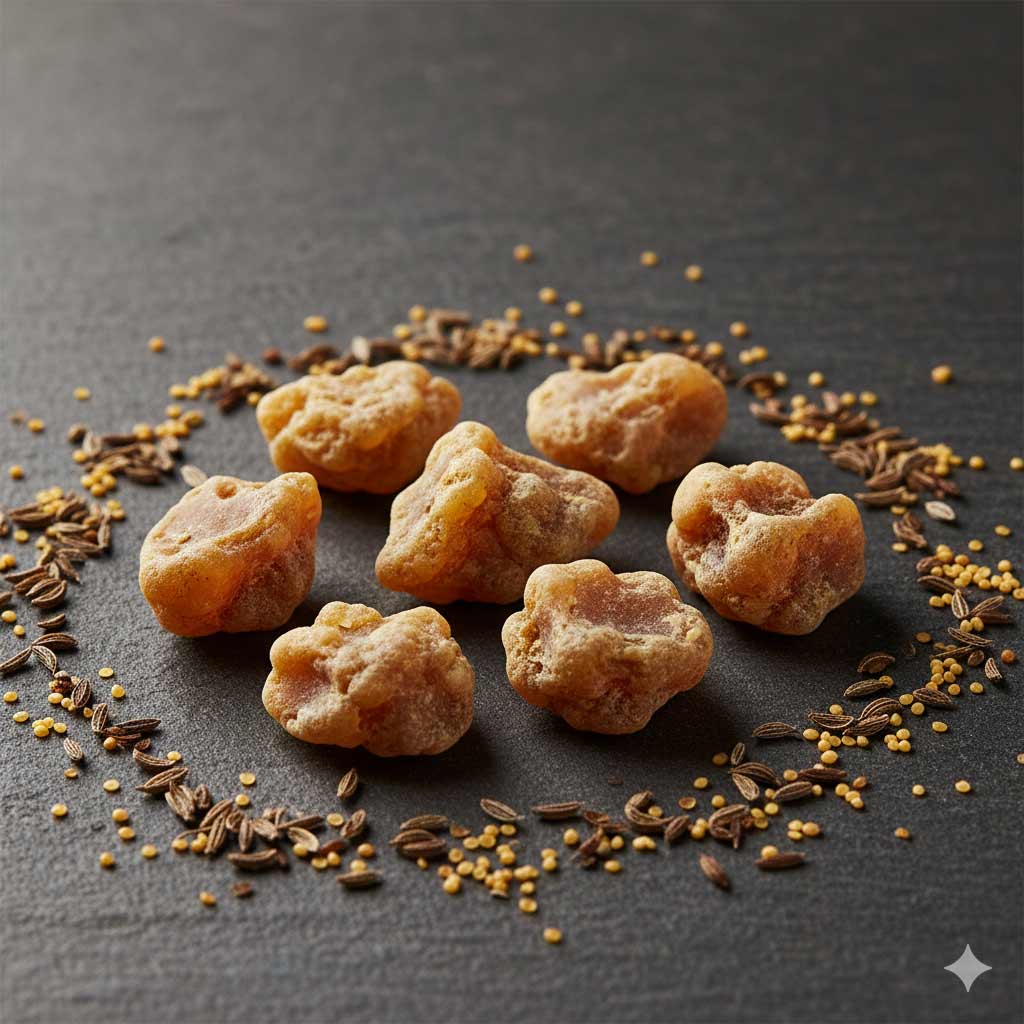
    asafoetida resin pieces

    A resin with ancient roots

    Asafoetida is made from the dried resin of the Ferula plant—a relative of fennel and celery—native to Iran and Afghanistan. Historical texts show that the spice has been used for more than 2,000 years.

    A prized ancient ingredient

    • In ancient Persia, it was valued both as a seasoning and for medicinal purposes.
    • Greeks and Romans imported it under the name “laser” or “silphium substitute”, using it in sauces, meats, and digestive remedies.
    • In India, it became deeply rooted in Ayurvedic practice and regional cuisines, especially in vegetarian dishes where its umami-like depth is highly appreciated.

    Today, India is the world’s largest importer and consumer of asafoetida, where it plays a major culinary and cultural role.

    The Flavor Profile: Strong at First, Smooth When Cooked
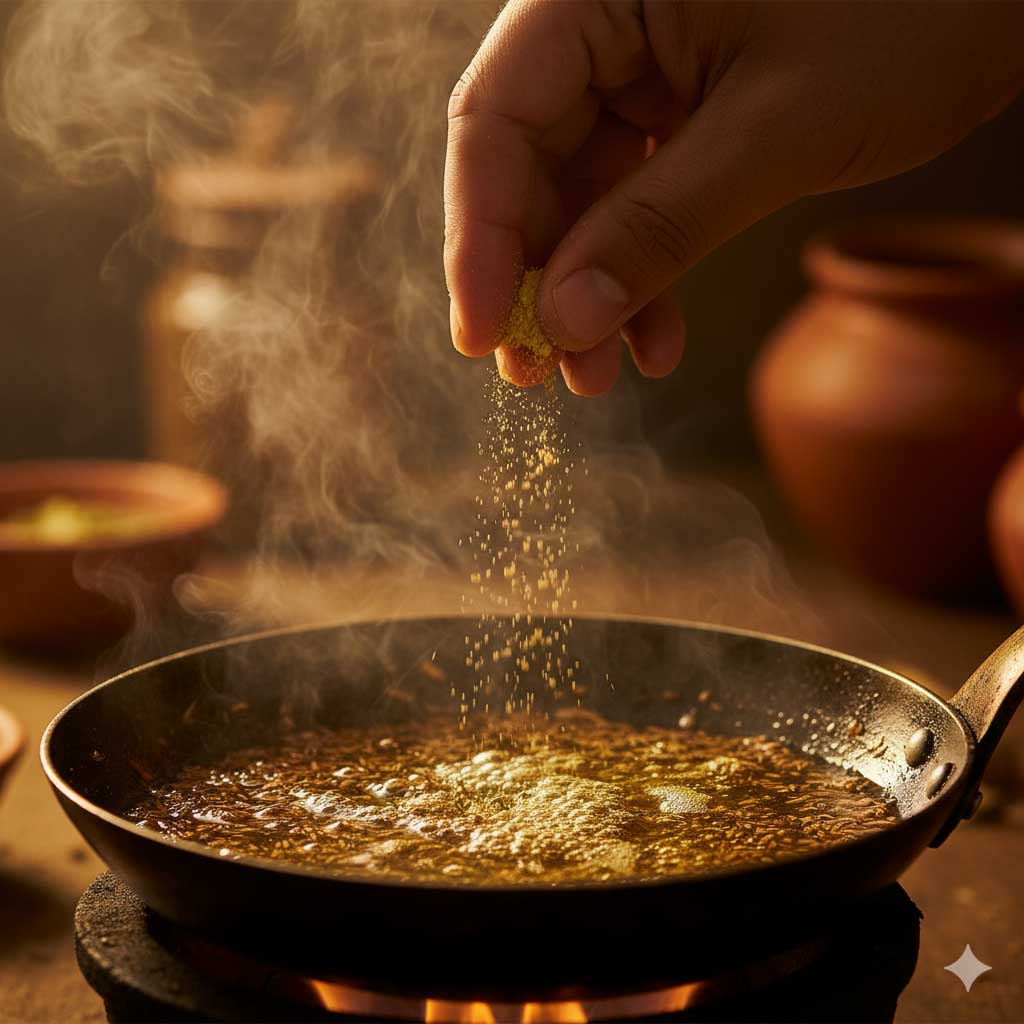
    a pinch of asafoetida

    Asafoetida is famous for its initial pungency—often described as sulfurous, garlicky, or similar to leeks.

    But here’s the twist:

    Once heated, asafoetida transforms.

    When cooked briefly in oil or ghee:

    • The sharp, sulfur-like aroma softens.
    • It develops a warm, savory, almost onion–garlic flavor.
    • It contributes depth and umami to dishes without overpowering them.

    This makes it especially valuable in onion-free and garlic-free cuisines, such as some Jain and Brahmin cooking traditions in India.

    Culinary Uses: How Asafoetida Shines in the Kitchen

    Asafoetida is used in tiny amounts, typically just a pinch at a time. Despite that, it can drastically transform the character of a dish.

    Indian Cooking

    This is where asafoetida is most commonly used.

    Typical uses include:

    • Tadka (tempering) – Frying spices in hot oil or ghee, then adding them to lentils, vegetables, or curries. Asafoetida is often added at the beginning to infuse the oil with flavor.
    • Dal (lentil soups) – Adds warmth and depth, especially in simple dals like dal tadka or moong dal.
    • Vegetable stir-fries – Enhances the taste of okra, cabbage, potatoes, or eggplant.
    • Pickles – Used in some Indian pickling blends for both flavor and preservation.

    Middle Eastern and Central Asian Uses

    While less common than in India, asafoetida has historically been used to season:

    • Meat dishes
    • Legumes
    • Rich stews

    Its pungency works well with hearty, slow-cooked foods.

    Vegan and Vegetarian Cooking

    Because it adds a savory, allium-like character, asafoetida can help build flavor in:

    • Onion-free and garlic-free dishes
    • Vegan broths
    • Plant-based proteins
    • Simple sautéed greens or beans

    It’s especially helpful in dishes that need aroma without using animal products.

    Health Benefits (General Knowledge)

    While research is limited, asafoetida has been traditionally associated with several wellness uses.

    Commonly cited traditional benefits include:

    • Digestive support: Historically used to reduce bloating and support gut comfort.
    • Anti-inflammatory properties: The resin contains compounds that have been studied for their mild anti-inflammatory potential.
    • Respiratory support: Traditional systems used it to ease breathing discomfort.

    These uses come from long-standing culinary and herbal traditions rather than strong modern clinical evidence, so they should be viewed as general knowledge rather than medical claims.

    How to Cook With Asafoetida: Practical Tips

    Since asafoetida is so potent, a little goes a long way. Here’s how to use it effectively:

    1. Always Cook It in Oil or Ghee

    Heat transforms its flavor. Add a pinch to hot oil at the beginning of cooking.
    This removes the sharpness and brings out the savory notes.

    2. Use Just a Pinch

    Most recipes need only:

    • A pinch (1/16 teaspoon), or
    • At most 1/8 teaspoon for larger dishes

    Using too much can overwhelm a dish.

    3. Store It Properly

    Asafoetida is sensitive to air and moisture. Keep it:

    • In an airtight container
    • In a cool, dry place
    • Ideally away from other spices (it can scent everything)

    4. Consider the Form You Buy

    Asafoetida is usually sold as:

    • Pure resin – Very strong, used in extremely tiny quantities
    • Powdered form mixed with rice flour or gum arabic – More common and easier to use

    Most home cooks use the powdered version.

    5. Pair It With the Right Ingredients

    Asafoetida complements:

    • Lentils
    • Potatoes
    • Chickpeas
    • Cabbage and cauliflower
    • Eggplant
    • Butter, ghee, or neutral oils
    • Cumin, mustard seeds, and turmeric

    For beginners, adding a pinch during tadka for a dal or vegetable sauté is the easiest way to start.

    Conclusion: A Powerful Spice Worth Exploring

    Asafoetida may not be the most famous spice on your shelf, but it brings a unique combination of aroma, warmth, and depth that few ingredients can match. From ancient trade routes to everyday Indian kitchens, this bold resin has remained an essential part of cooking traditions for centuries.

    If you’re looking to expand your spice collection with something distinctive—and capable of transforming simple recipes—asafoetida is an excellent choice. With just a pinch, you can add layers of savory complexity to your dishes and explore a spice that is as historic as it is flavorful.
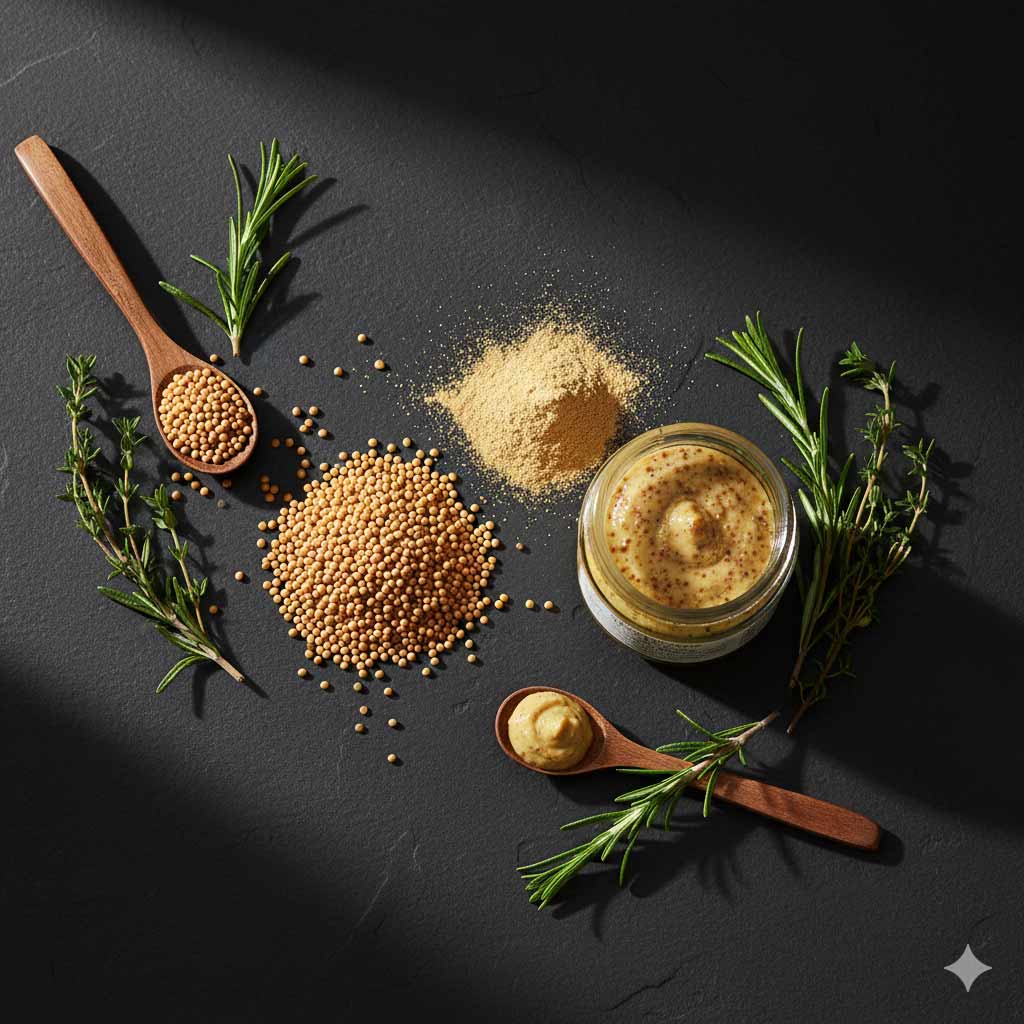
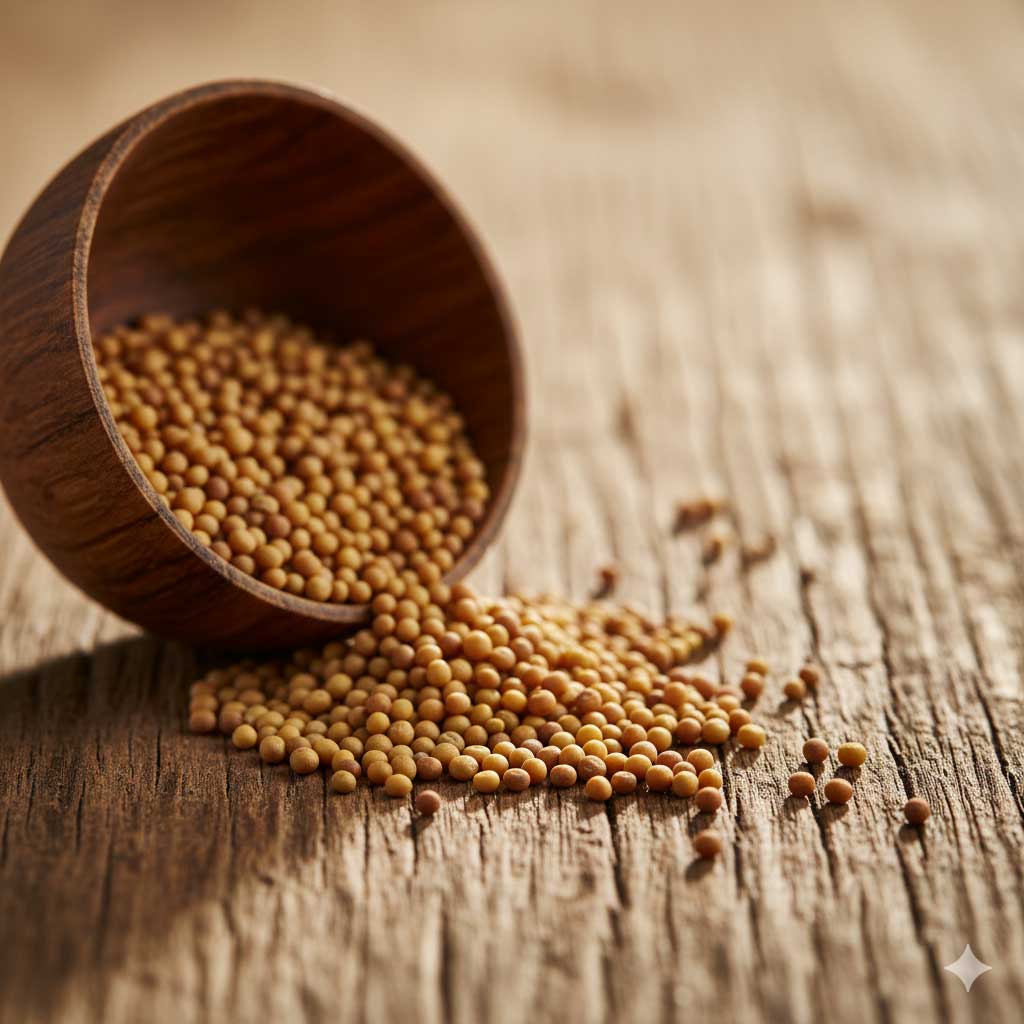
  • Mustard: The Bold, Versatile Spice That Brings Dishes to Life

    mustard

    Most people think they know this spice, often in the form of the familiar yellow condiment, but the world of mustard is far richer and more complex. Whether used as whole seeds, ground powder or a prepared paste, it adds heat, tang, texture and depth to everyday dishes and refined cuisine alike.

    From ancient civilisations to modern kitchens, it has remained one of the most widely used and appreciated spices. Understanding its origins, flavour profile and culinary versatility can help you unlock its full potential in your cooking.

    Origin and History

    A Spice With Ancient Roots

    Mustard comes from the seeds of plants in the Brassica and Sinapis families. The most common varieties include:

    • Sinapis alba (white)
    • Brassica juncea (brown)
    • Brassica nigra (Black)

    These plants have been cultivated for thousands of years. Ancient Romans were among the first to mix ground mustard seeds with wine, creating a precursor to the condiments we know today.

    From Europe to Asia: A Global Staple

    This spice seeds and their preparations spread throughout Europe, the Middle East, and Asia, developing unique culinary identities:

    • France perfected Dijon mustard.
    • India embraced its seeds and oil as essential cooking ingredients.
    • Germany and Eastern Europe created sweet and tangy varieties for sausages and meats.
    • North America popularized the classic yellow mustard used in sandwiches, marinades, and barbecue.

    Today, this spice remains one of the world’s most widely consumed spices, used in kitchens and food industries across the globe.

    Flavor Profile of Mustard

    This spice’s flavor depends on the type of seed and how it is prepared. Generally, it is described as:

    • Pungent and peppery
    • Sharp, with varying degrees of heat
    • Earthy and slightly bitter
    • Warm and aromatic

    White, Brown, and Black Mustard: What’s the Difference?

    • White : milder and often used for yellow mustard.
    • Brown : brings more heat and is frequently used in Dijon and Asian cuisines.
    • Black : has the strongest flavor but is less common due to challenging harvesting.

    When crushed or mixed with liquid, its seeds release ally lisothiocyanate, the compound responsible for their trademark spicy kick—similar to horseradish and wasabi.

    Culinary Uses: How to Cook With Mustard

    This spice’s versatility makes it a powerful ally in the kitchen. You can use it as seeds, powder, or prepared paste, each bringing unique characteristics to dishes.

    Mustard Seeds in Cooking

    1. Tempering in Indian Cuisine

    Whole mustard seeds are often tempered in hot oil until they pop, releasing a nutty aroma. They are used in:

    • Lentils (dal)
    • Vegetable stir-fries
    • Pickles
    • Chutneys

    2. Pickling and Fermenting

    Its seeds add flavor and texture to pickles:

    • Pickled cucumbers
    • Giardiniera
    • Pickled onions
    • Fermented vegetables

    Their heat builds slowly, complementing vinegars and brines.

    Powder (Ground Mustard)

    1. Dry Rubs and Spice Blends

    Its powder helps bind spice blends and adds a warming, subtle heat to:

    • Barbecue rubs
    • Roasted meats
    • Marinade bases

    2. Sauces and Dressings

    It’s excellent for emulsifying vinaigrettes or adding depth to:

    • Homemade mayonnaise
    • Cheese sauces
    • Creamy salad dressings

    Prepared Mustard

    1. Dijon Mustard

    Dijon is a classic ingredient in:

    • Salad dressings (vinaigrettes)
    • Marinades for chicken or fish
    • Pan sauces (especially with white wine)
    • Potato salads and sandwiches

    2. Whole-Grain Mustard

    Its texture makes it ideal for:

    • Charcuterie boards
    • Glazes for pork or salmon
    • Grain salads with lentils or farro

    3. Yellow Mustard

    A staple in American cuisine, used in:

    • Burgers and hot dogs
    • Barbecue sauces
    • Potato or egg salads
    • Sandwich spreads

    Creative Modern Uses

    This spice adapts beautifully to contemporary cooking:

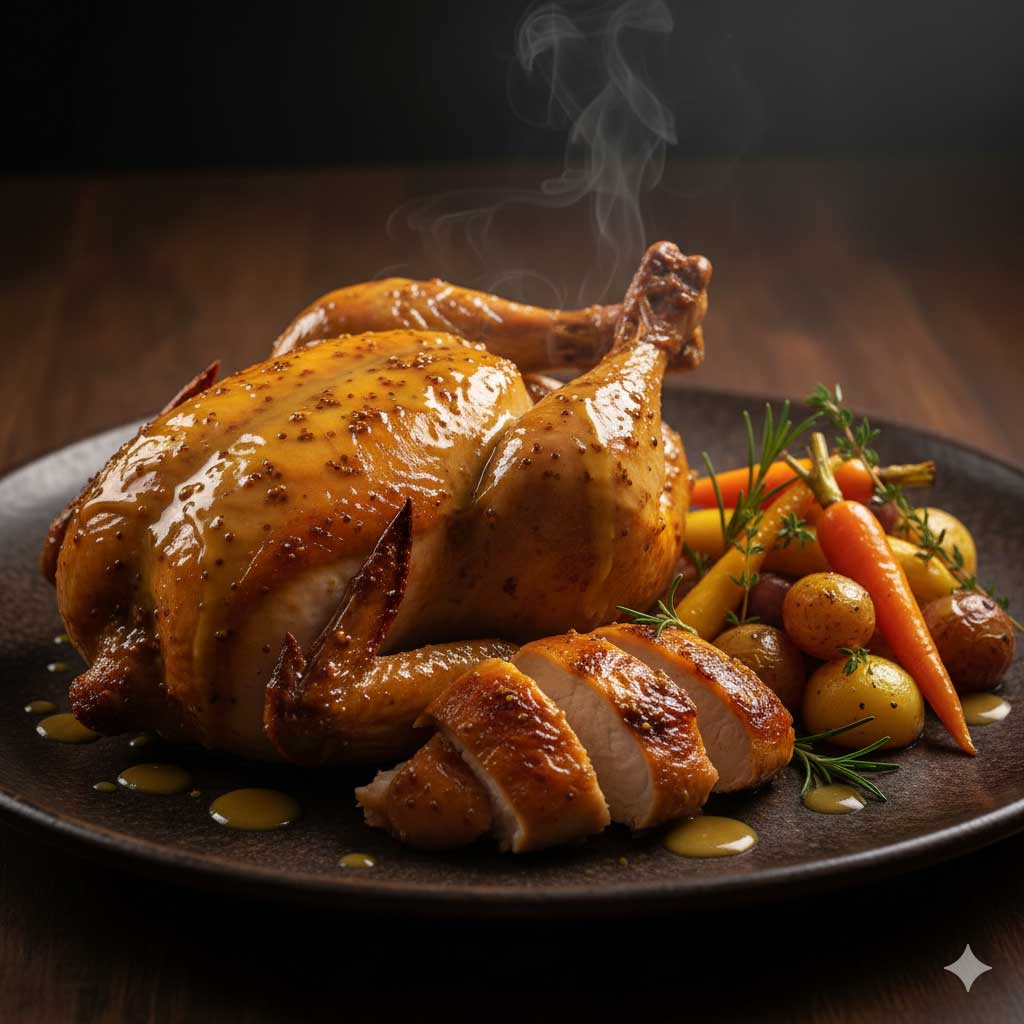
    • Add a spoonful to roasted vegetable marinades for depth.
    • Whisk it into honey mustard glaze for chicken or tofu.
    • Mix with yogurt for a light, tangy sauce.
    • Stir into creamy soups like potato, leek, or cauliflower for brightness.

    Health Benefits (General Knowledge)

    Mustard seeds and prepared mustard may offer modest, general benefits based on common culinary knowledge:

    • Rich in antioxidants, especially selenium and magnesium
    • Naturally low in calories, adding flavor without heaviness
    • Used traditionally to support digestion, thanks to aromatic compounds
    • Contains healthy fats (especially in mustard oil, used in some cuisines)

    These benefits are general and mild, and this spice should be consumed in typical culinary quantities.

    Tips for Cooking with it

    Understand the Heat Reaction

    Cold water activates its heat, while hot water or cooking mellows it.
    Use cold liquids for sharpness, and warm cooking for softness.

    Add Seeds Early, its Paste Later

    • Temper seeds at the beginning of cooking.
    • Add prepared mustard or powder toward the end to preserve aroma and brightness.

    Pair the spice Wisely

    It pairs well with:

    • Chicken, pork, and fish
    • Potatoes, cauliflower, cabbage
    • Honey and maple syrup
    • White wine, vinegar, and citrus
    • Herbs like tarragon, dill, thyme, and parsley

    Store Properly

    Keep the seeds in airtight containers away from light.
    Refrigerate opened jars to maintain flavor.

    Conclusion

    This spice is far more than a sandwich condiment—it’s a dynamic, storied spice that brings heat, complexity, and character to a vast range of dishes. From whole seeds used in Indian cooking to delicate Dijon sauces in French cuisine, it offers versatility that few spices can match.

    Whether you’re enhancing a simple vinaigrette, adding depth to stews, or experimenting with marinades, it brings flavor that is bold, balanced, and timeless. Keep a few varieties in your pantry and let this ancient spice elevate your everyday cooking.

  • White Pepper: The Subtle Spice with Surprising Depth

    White pepper may not have the fiery reputation of chili powders or the immediate aroma of black pepper, but it plays a quiet, essential role in global cuisine. Valued for its clean, earthy heat and ability to blend seamlessly into light-colored dishes, white pepper is a favorite among chefs who appreciate subtlety and depth.

    Whether you are discovering this spice for the first time or looking to refine your culinary knowledge, white pepper offers rich history, nuanced flavor, and versatile uses worth exploring.

    Origin and History of White Pepper

    From the Same Plant as Black Pepper

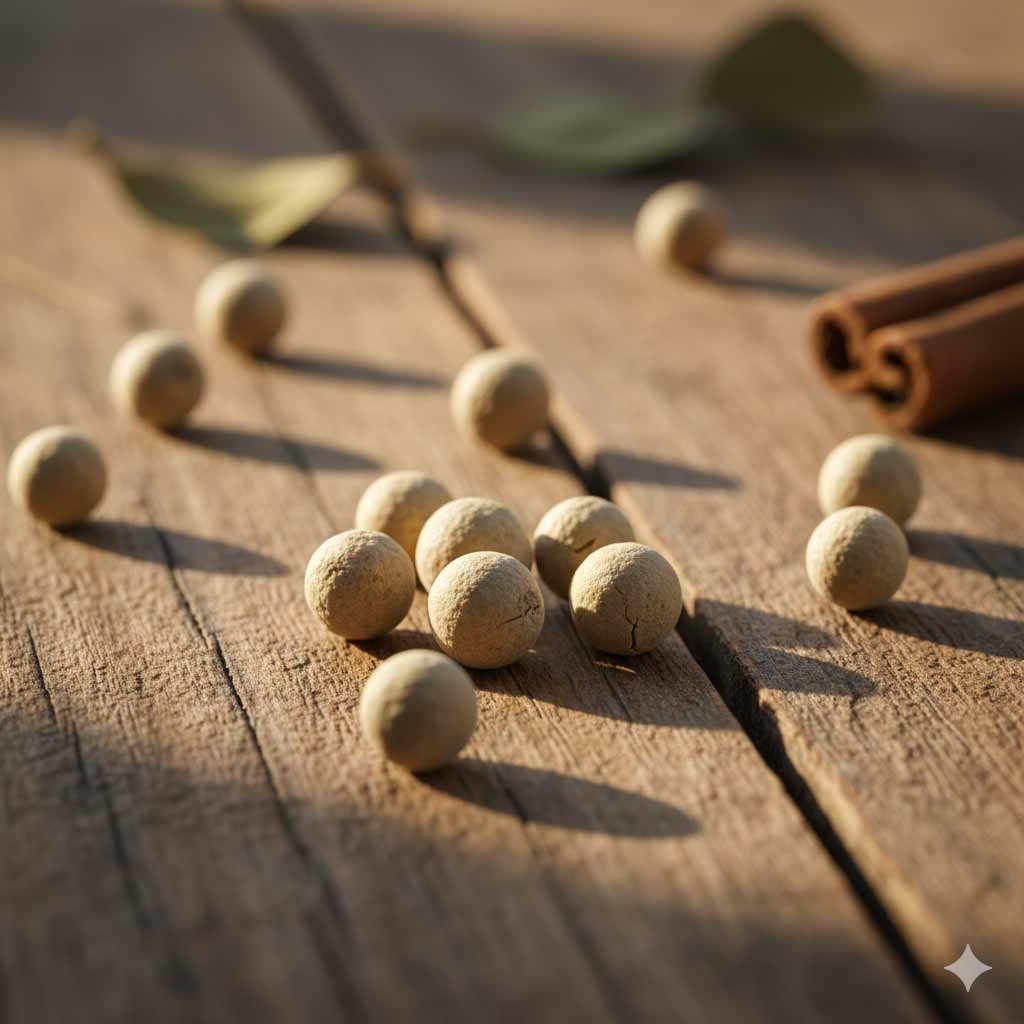
    White pepper and black pepper come from the same plant: Piper nigrum. The difference lies not in the variety, but in the processing method. While black pepper is harvested when the berries are still green and dried whole, white pepper is produced by harvesting fully ripe red berries, soaking them, and removing the outer skin. What remains is the pale inner seed, which becomes the white peppercorn.

    A Spice with Ancient Roots

    Pepper has been traded for thousands of years and was once considered so valuable it served as currency. White pepper became particularly popular in European and Chinese cuisines, where its mild appearance and smooth heat were appreciated in lighter-colored dishes such as sauces, soups, and delicate stir-fries.

    In traditional Chinese cooking, especially in Cantonese cuisine, white pepper is often preferred over black pepper because of its cleaner and more aromatic flavor.

    Flavor Profile of White Pepper

    White pepper is often described as:

    • Earthy and mildly pungent
    • Smoother and less sharp than black pepper
    • Lightly fermented, due to the soaking process
    • Warm, aromatic, and slightly musky

    One of its most distinctive characteristics is the subtle fermented note, which adds complexity without overwhelming a dish. This makes it ideal for recipes where black pepper might stand out visually or taste too bold.

    Culinary Uses: How to Cook with White Pepper

    A Staple in Classic White Sauces

    Because it blends into light-colored foods, white pepper is widely used in:

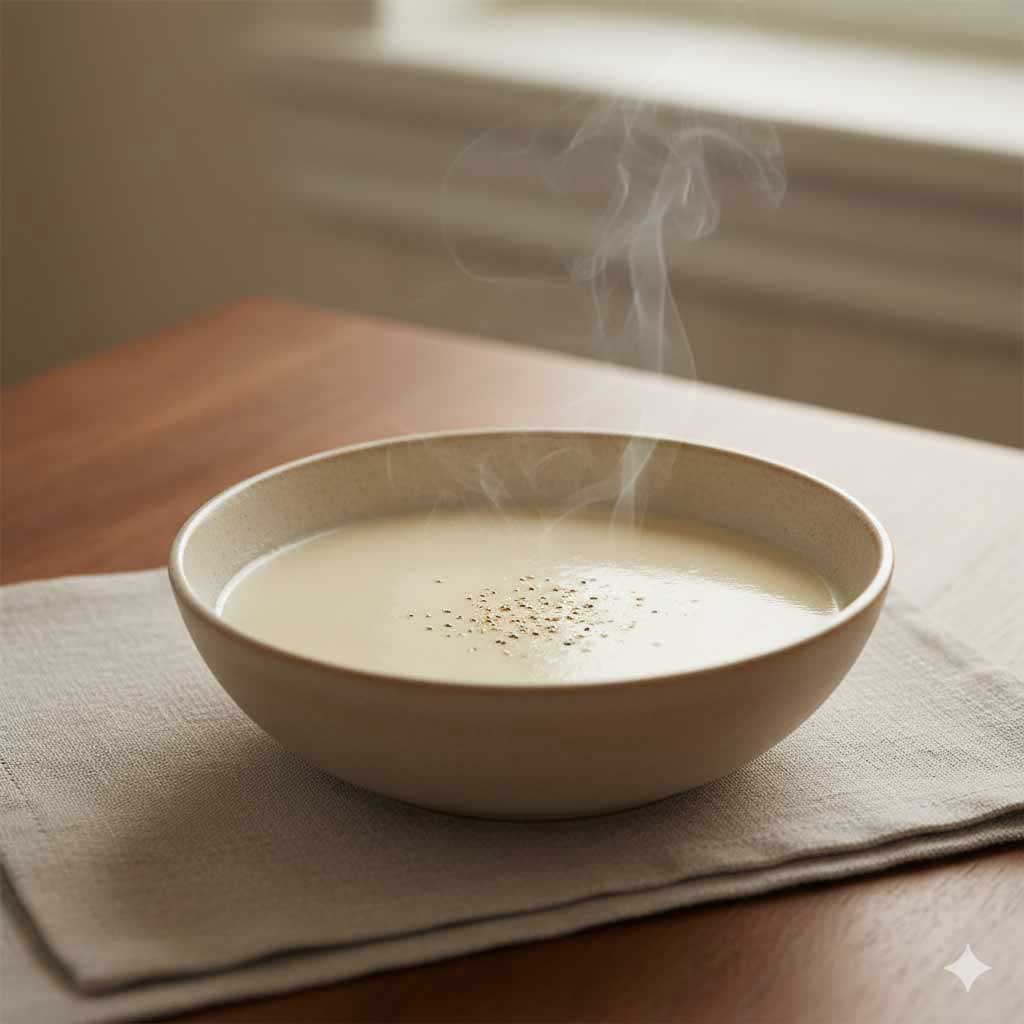
    • Béchamel sauce
    • Cream-based soups
    • Mashed potatoes
    • Alfredo pasta

    It provides warmth without creating visible specks, keeping dishes aesthetically pleasing and flavor-balanced.

    Highlights in Asian Cuisine

    White pepper plays a central role in several traditional Asian dishes:

    Chinese Hot and Sour Soup

    White pepper gives this soup its signature heat, offering a clean, sharp spice that complements vinegar and mushrooms.

    Congee (Rice Porridge)

    A pinch adds warmth and aroma, transforming a simple porridge into a comforting meal.

    Stir-Fried Vegetables or Seafood

    Its subtle spicy note enhances delicate ingredients like bok choy, tofu, shrimp, or scallops.

    Popular Western Dishes Featuring White Pepper

    White pepper appears in numerous European and Western dishes:

    • Swedish meatballs
    • Vichyssoise (cold leek and potato soup)
    • Creamy mushroom sauces
    • Cauliflower purée
    • Poached fish preparations

    It adds just enough heat and complexity without overshadowing mild flavors.

    Creative Modern Uses

    White pepper adapts well to modern, inventive cooking:

    • Added to salad dressings for a clean, peppery kick
    • Used in spiced butter or compound butter
    • Added to cheese sauces or fondue
    • Mixed into bread dough or savory pastries
    • Sprinkled over eggs or delicate breakfast dishes

    Because its flavor opens slowly on the palate, it can elevate dishes in subtle but meaningful ways.

    Health Benefits (General Knowledge)

    While white pepper is typically consumed in small amounts, it may provide some mild health-related advantages according to general culinary knowledge:

    • Rich in antioxidants, particularly piperine, which may help support cell protection
    • May aid digestion due to compounds that stimulate gastrointestinal enzymes
    • Contains small amounts of minerals such as manganese and iron
    • Naturally low in calories and free of additives

    These qualities make it a pleasant addition to your meals, though it shouldn’t be regarded as a medical treatment.

    Tips for Cooking with White Pepper

    Use It Freshly Ground When Possible

    Ground white pepper loses its aroma more quickly than black pepper. For the best flavor, grind small amounts from whole peppercorns as needed.

    Add It Toward the End of Cooking

    Because its aroma can fade with prolonged heat, adding it near the end of cooking preserves its delicate character.

    Pair It with Gentle Flavors

    White pepper shines when paired with:

    • Cream
    • Potatoes
    • Eggs
    • Mild vegetables (cauliflower, zucchini)
    • Poultry
    • Seafood

    Its earthy warmth enhances subtle ingredients without overpowering them.

    Be Mindful of Quantity

    White pepper can become slightly musty or overly pungent if used in excess. Start with small amounts and adjust to taste.

    Try White Pepper in Spice Blends

    It works well in:

    • Chinese five-spice mixes
    • Seafood rubs
    • Creamy salad dressings
    • European herb blends

    Its smooth heat complements many herbs such as parsley, chives, thyme, and tarragon.

    Conclusion

    White pepper may not be the boldest spice in your pantry, but its understated complexity and versatility make it indispensable. Its earthy warmth, subtle fermented notes, and ability to blend seamlessly into light dishes have earned it a place in kitchens across the world—from European sauces to Chinese soups.

    Whether you use it to enhance creamy recipes, elevate seafood, or add depth to your everyday cooking, white pepper offers a refined, elegant flavor worth rediscovering. Keep a small jar on hand, use it thoughtfully, and you’ll soon appreciate why this quiet spice has been valued for centuries.

  • Fenugreek: The Underrated Spice with Deep Flavor and Ancient Roots

    fenugreek seeds

    Fenugreek is one of those spices that can quietly transform a dish with just a pinch. Its aroma is warm, its flavor distinctive, and its culinary versatility stretches across continents and centuries. Though often overshadowed by more famous spices, fenugreek has played an important role in Middle Eastern, Indian, Ethiopian, and Mediterranean cuisines for thousands of years.

    In this article, we’ll explore the spice’s origins, taste profile, culinary uses, traditional health benefits, and practical tips for cooking with it.

    Origin and History of Fenugreek

    A plant with a long global journey

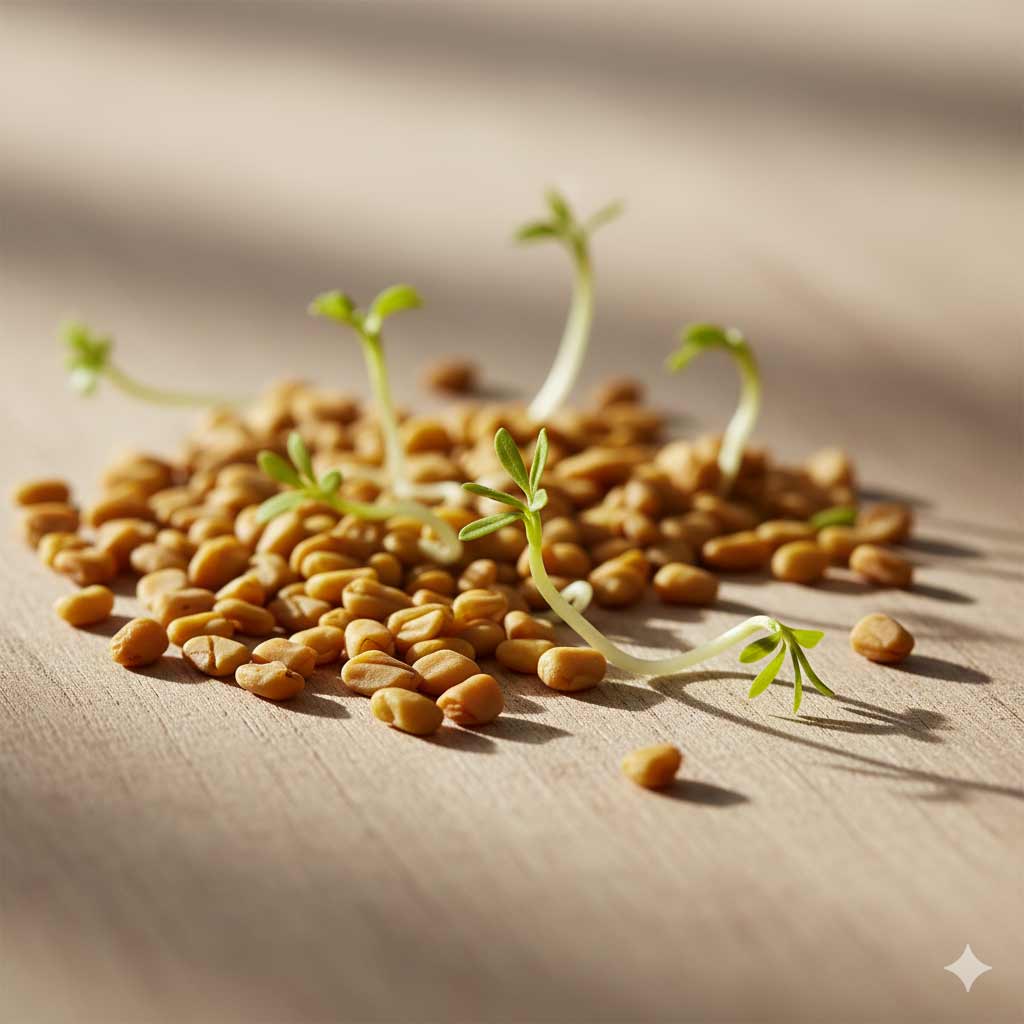
    Fenugreek (Trigonella foenum-graecum) is an annual plant in the legume family. It produces small golden seeds, used as a spice, and leaves, which serve as a flavorful herb in cooking. Both have been valued for centuries.

    Ancient roots

    • Middle East: Native to the Mediterranean and Western Asia.
    • Ancient Egypt: Seeds were used in cooking, rituals, and even embalming.
    • Greece and Rome: Called foenum-graecum, it was used as animal fodder and medicinally.
    • India: Incorporated into Ayurveda and regional cuisine, eventually becoming a staple in curries, breads, and pickles.

    Today, India is the largest producer and consumer, integrating fenugreek into both everyday dishes and festive meals.

    Flavor Profile: Warm, Slightly Bitter, and Unique

    Fenugreek seeds have a distinct taste:

    • Slightly bitter at first
    • Warm and nutty
    • A hint of maple syrup aroma when toasted or cooked
    • Deeply savory and earthy

    The leaves, used fresh (methi) or dried (kasuri methi), are more herbal and gently bitter, with notes reminiscent of celery and mild spinach.

    This balance of warmth, bitterness, and subtle sweetness gives dishes a unique depth, especially when combined with fats, acidity, or other spices.

    Culinary Uses: Adding Depth and Aroma

    fenugrec powder

    Fenugreek is versatile in many cuisines, each using it in different ways.

    Indian Cuisine

    • Spice blends: Found in garam masala, sambar powder, and panch phoron.
    • Lentils: Seeds or dried leaves add warmth and complexity to dal.
    • Curries: Leaves are often sprinkled at the end to enhance aroma.
    • Pickles: Seeds are used whole in mango, lemon, and chili pickles.
    • Breads: Fresh leaves incorporated into dough for methi paratha or thepla.

    Ethiopian and Eritrean Cuisine

    • Essential in berbere, a key spice blend for stews like doro wat.
    • Adds subtle bitterness to balance spicy and tangy flavors.

    Mediterranean and Middle Eastern Cuisine

    • Used in spice rubs, braised dishes, and herbal mixtures.
    • Valued for flavor and aroma in both cooking and traditional remedies.

    Everyday Tips

    • Add a pinch of toasted seeds to soups, stews, or vegetable dishes.
    • Sprinkle dried leaves into creamy sauces or lentils.
    • Blend ground seeds into marinades for chicken, tofu, or roasted vegetables.

    When toasted and gently cooked, the spice’s bitterness softens and contributes a savory depth.

    Health Benefits (Traditional Knowledge)

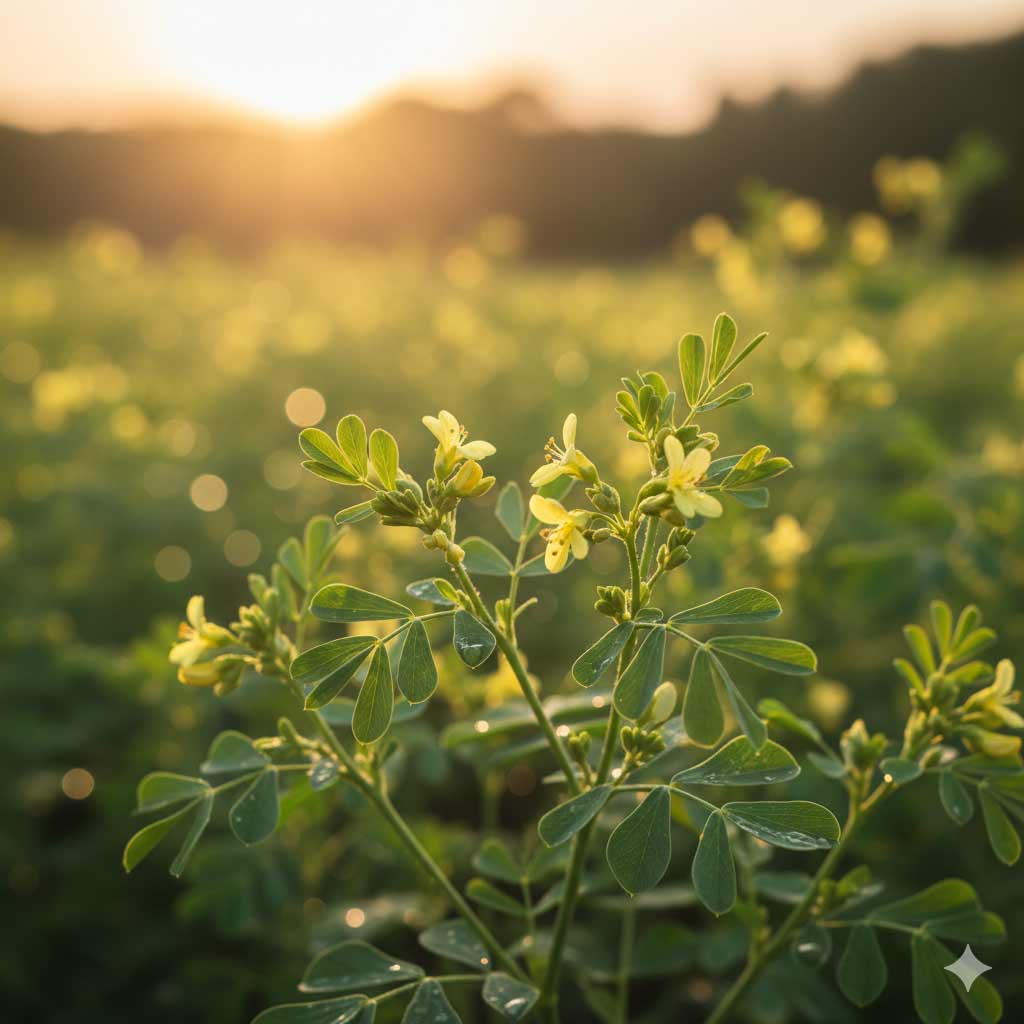
    fenugrec plant

    Fenugreek has long been used in traditional medicine. While research is ongoing, several benefits are recognized:

    • Digestive support: Traditionally used to reduce bloating and aid digestion.
    • Blood sugar support: Some studies suggest a potential role in glucose management.
    • Anti-inflammatory properties: Contains natural compounds with mild effects.
    • General wellness: Used in herbal teas and tonics.

    These benefits are based on traditional use and preliminary research rather than definitive medical evidence.

    Tips for Cooking with Fenugreek

    1. Toast the seeds lightly

    • Brings out sweet, nutty notes
    • Reduces initial bitterness
    • Avoid burning to prevent excessive bitterness

    2. Use sparingly

    • Most recipes require a pinch or up to 1/4 teaspoon of seeds.

    3. Bloom in oil

    • Add seeds or powder to hot oil early to extract maximum flavor.

    4. Add dried leaves at the end

    • Crush kasuri methi lightly between your fingers and sprinkle at the final stage of cooking.

    5. Pairings

    • Works well with lentils, potatoes, spinach, tomatoes, onions
    • Complements slow-cooked meats and vegetables
    • Blends with cumin, coriander, paprika, or mustard seeds

    6. Avoid using raw seeds in large quantities

    • Seeds can remain hard if not toasted or soaked first.

    Conclusion: A Small Spice with Big Impact

    Fenugreek may be subtle, but it can dramatically enhance the flavor of everyday dishes. Its warmth, gentle bitterness, and earthy sweetness have earned it a place in kitchens worldwide. With careful use, both seeds and leaves bring depth, aroma, and authenticity to your cooking.

    Whether you’re experimenting with Indian curries, Ethiopian stews, or simple vegetable dishes, this aromatic spice deserves a spot in your pantry.

  • Green Curry: The Vibrant, Flavorful Spice of Southeast Asia

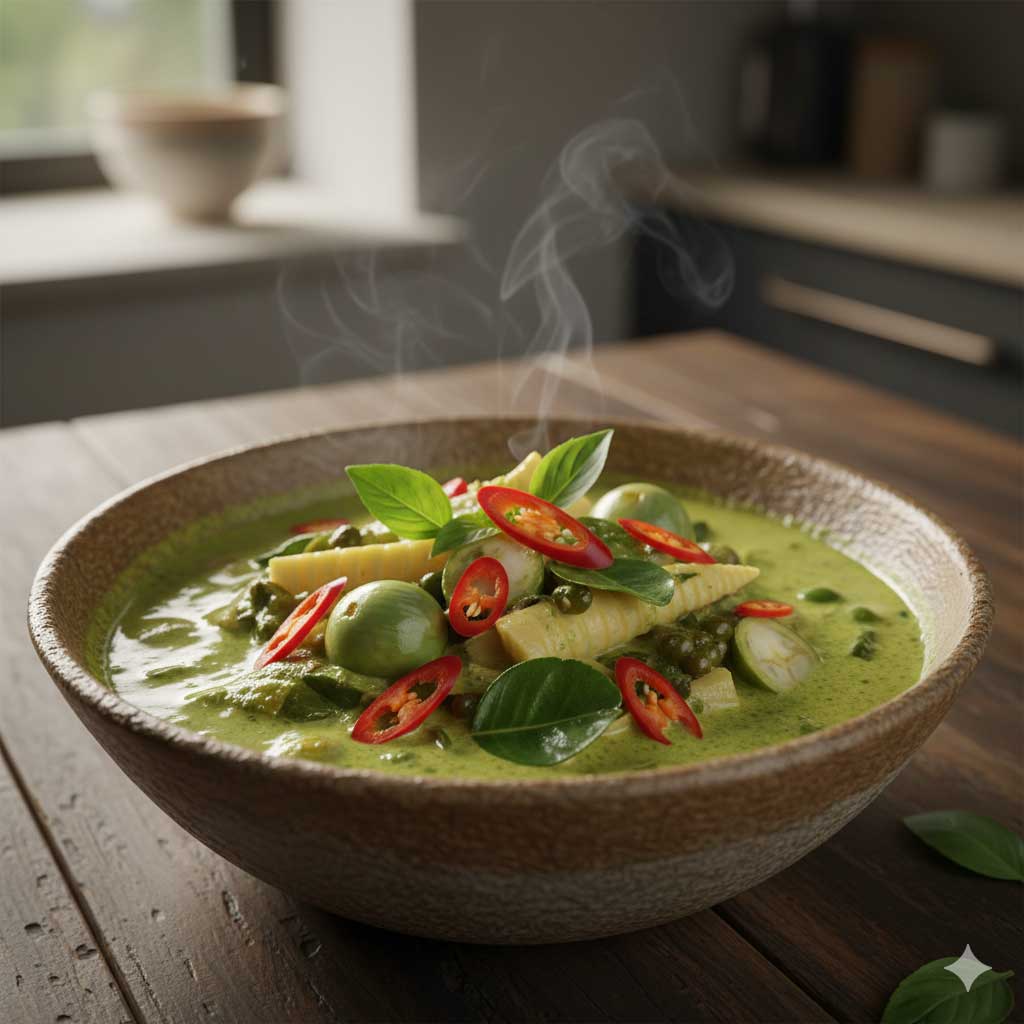
    green curry

    Green curry, is one of the most aromatic and colorful staples in Southeast Asian cuisine. Often recognized by its bright green hue and creamy texture, green curry is more than just a sauce—it is a symphony of spices, herbs, and fresh ingredients that bring both heat and freshness to any dish.

    From traditional Thai kitchens to modern fusion restaurants worldwide, green curry has earned a reputation for its complex flavor profile and versatility. Let’s explore its origins, taste, culinary applications, and how to master it in your own cooking.

    Origin and History of Green Curry

    A Thai Classic

    Green curry originates from Thailand, where it is called “Kaeng Khiao Wan”, which translates to “sweet green curry.” The name comes from the vibrant green color of the curry paste, which is made from fresh green chilies, herbs, and spices.

    Historical Context

    Green curry is believed to have been developed during the reign of the Rattanakosin Kingdom (18th century). It evolved as a milder alternative to other traditional curries, incorporating fresh herbs and coconut milk for a balance of heat and creaminess. Over the centuries, green curry spread to neighboring countries, influencing Malaysian, Cambodian, and Vietnamese cuisines.

    Today, green curry is a global favorite, celebrated for its aromatic complexity and adaptable flavor.

    Flavor Profile of Green Curry

    This spice is known for its layered, vibrant flavor, combining several taste dimensions:

    • Spicy and tangy – from fresh green chilies and lime leaves
    • Herbaceous and aromatic – thanks to lemongrass, cilantro, and Thai basil
    • Slightly sweet – often from coconut milk
    • Umami depth – from fish sauce, shrimp paste, or soy sauce in some variations

    Its bright, fragrant character makes it both bold and balanced, appealing to a wide range of palates.

    Culinary Uses: How to Cook with Green Curry

    The Thai curry is extremely versatile and can be used with a variety of proteins, vegetables, and even tofu. Here are some practical applications:

    1. Classic Thai Green Curry Dishes

    • Chicken : Tender chicken simmered in green curry sauce with coconut milk, bamboo shoots, bell peppers, and Thai basil.
    • Beef or Pork : Slow-cooked with vegetables like eggplant, peas, and zucchini.
    • Seafood : Shrimp, fish, or squid in a light, spicy, and aromatic coconut curry.

    2. Vegetarian and Vegan Curry Dishes

    • Tofu and Vegetable Curry: Firm tofu with green beans, bell peppers, carrots, baby corn, and snow peas.
    • Mushroom Medley Curry: Shiitake, oyster, and button mushrooms simmered with coconut milk and green curry paste.
    • Chickpea and Sweet Potato Curry: Chickpeas and cubed sweet potatoes cooked with green curry and coconut milk for a hearty, protein-rich meal.
    • Eggplant and Bamboo Shoot Curry: Soft-cooked eggplant and bamboo shoots in a creamy green curry sauce.
    • Mixed Vegetable Curry: Zucchini, bell peppers, carrots, broccoli, and snap peas for a colorful and nutrient-packed dish.
    • Pumpkin or Butternut Squash Curry: Sweet, roasted squash cubes added to green curry for natural sweetness and creamy texture.
    • Vegan “Seafood” Curry: Use king oyster mushrooms or hearts of palm to mimic seafood textures while keeping the dish plant-based.

    3. Creative Modern Uses

    • Stir into noodle soups for a fresh twist.
    • Use as a marinade for grilled vegetables or proteins.
    • Mix into rice or quinoa bowls for a flavorful, spicy kick.

    Health Benefits (General Knowledge)

    Green curry ingredients contribute to some general health benefits:

    • Chilies – contain capsaicin, which may support metabolism and provide antioxidant benefits.
    • Herbs like lemongrass and Thai basil – have anti-inflammatory and digestive properties.
    • Coconut milk – provides healthy fats that help absorb fat-soluble vitamins.
    • Vegetables and lean proteins – add fiber, vitamins, and minerals to the dish.

    While this spice is flavorful and nourishing, portion control is recommended due to coconut milk’s calorie density.

    Tips for Cooking with Green Curry

    1. Making Your Own Curry Paste

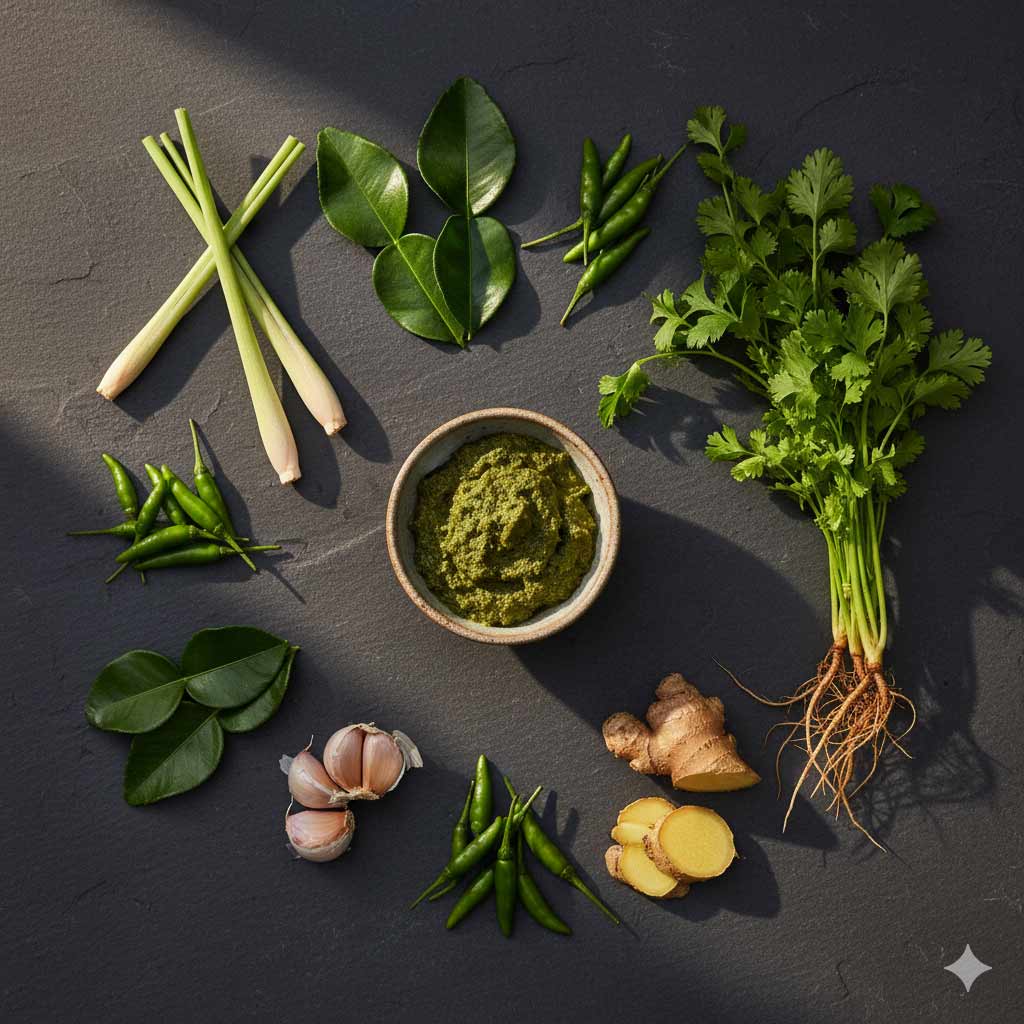
    • Use fresh green chilies, garlic, shallots, lemongrass, galangal, lime zest, and cilantro stems.
    • Blend with a mortar and pestle or food processor until smooth.
    • Homemade paste ensures vibrant flavor and freshness.

    2. Balance Heat and Creaminess

    • Start with a small amount of curry paste and gradually add to taste.
    • Coconut milk softens the heat and adds richness.
    • Lime juice or kaffir lime leaves add brightness and balance.

    3. Pair Wisely

    • Serve with jasmine rice or steamed rice noodles.
    • Garnish with fresh Thai basil, cilantro, or sliced red chili for visual appeal.
    • Avoid overcooking delicate vegetables; add them toward the end for texture.

    4. Storage Tips

    • Homemade green curry paste can be refrigerated for up to two weeks or frozen for up to three months.
    • Prepared curry dishes can be stored in airtight containers in the fridge for 2–3 days.

    Conclusion

    This spice is much more than a vibrant sauce; it’s a versatile, aromatic, and culturally rich spice blend that can elevate countless dishes. From traditional Thai chicken curry to modern vegetarian bowls, its bold, balanced flavors make it a beloved ingredient worldwide.

    Experiment with proteins, vegetables, and fresh herbs to create your own masterpieces. With a little practice and attention to balance, this spice can bring a delicious, fragrant, and slightly spicy touch to your everyday cooking.